

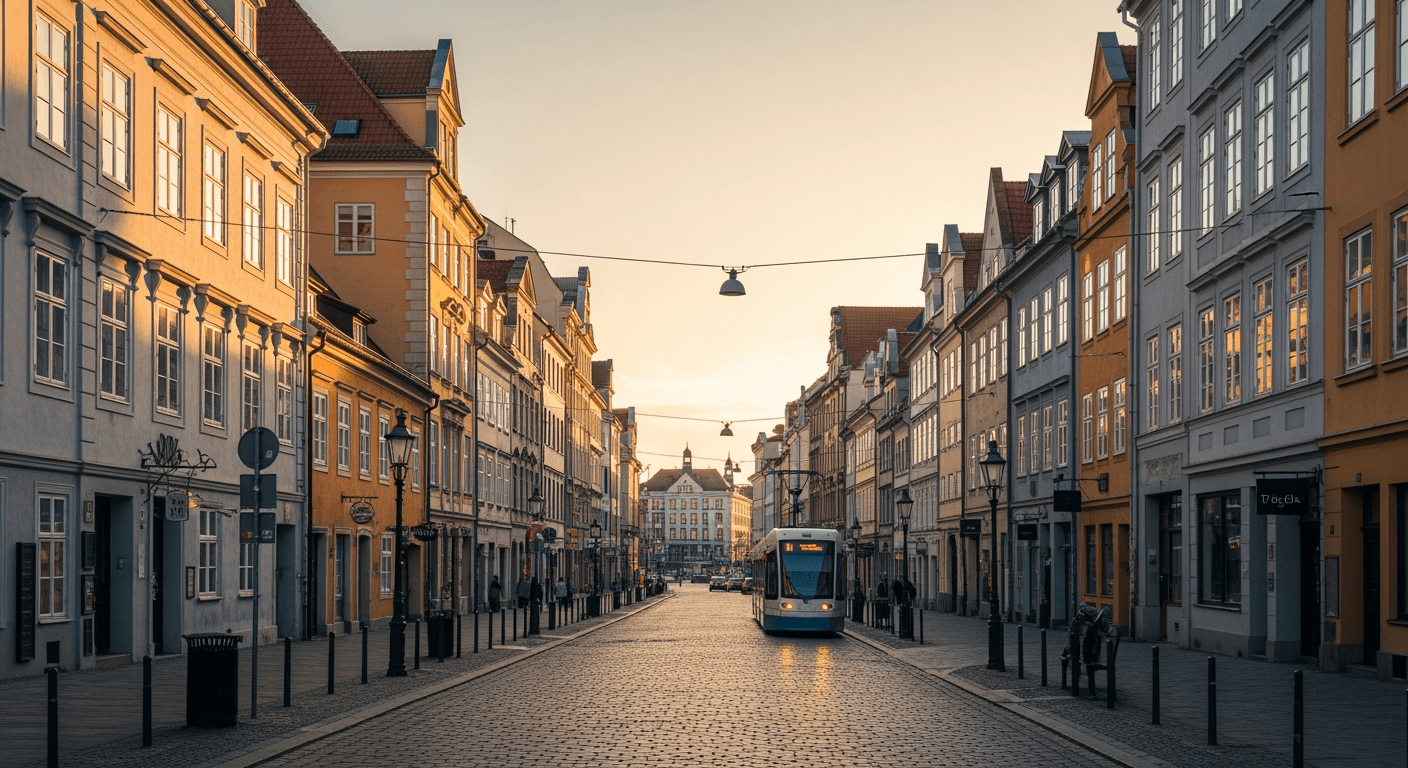

The dream of living in Europe is changing. For years, the choice seemed simple. You could pick an expensive city with high salaries or a cheap one with fewer opportunities. This old way of thinking no longer fits our world. The rise of remote work and a new focus on well-being have created fresh possibilities. People now seek more than just a low price tag. They want a place that offers true value for their life.
In 2026, the conversation has shifted. We are moving away from overheated capital cities where rents are soaring. Instead, people are discovering vibrant second-tier cities and beautiful regions. These places offer a sustainable, high-quality lifestyle. They balance reasonable costs with safety, good services, and a healthy work-life balance. It's about finding a place where your money goes further and your happiness grows.
This guide is your map to this new European dream. We will not just list the cheapest places. We will dive deep into different lifestyle profiles. You can find a region that matches your personal goals. Whether you are a remote worker, raising a family, or seeking a slower pace of life, your perfect European home is waiting. Let's explore where affordability and quality of life meet.
The 2026 Affordability Matrix: Moving Beyond Price Tags to True Value
Choosing a new home in Europe requires a smart approach. Simply looking at a list of cheap cities is a common mistake. A low price today might hide future problems. To make a confident decision in 2026, you need to look at a bigger picture. True affordability is not just about a single number. It is a balance of several key factors that work together to create a sustainable and enjoyable life. We call this the Affordability Matrix. It helps you see the real value a location offers, not just its surface-level cost.

The first piece of the puzzle is the Cost of Living Index. Think of this as a basic price comparison. It shows how expensive things like groceries, utilities, and transport are compared to a major city like New York.
A lower index means your daily expenses are smaller. However, this index does not tell the whole story. It doesn't consider how much you earn or how far your salary can stretch.
That is where Local Purchasing Power comes in. This metric is crucial. It shows the real-world value of your money in a specific city.
A place with high purchasing power means your income buys more goods and services. You can live more comfortably, save more money, or enjoy more activities without financial stress. It’s like having a permanent discount on everything around you.
But a great life is not just about money. The Quality of Life Index measures the things that make life truly good. This includes factors like safety, healthcare quality, pollution levels, and climate. A city can be cheap, but if you do not feel safe or cannot access good doctors, it is not a good value. In 2026, people are placing a huge importance on these elements. They want clean air, safe streets, and a healthcare system they can trust. This is a non-negotiable part of the modern European dream.
Finally, we must introduce a vital new factor for 2026: Cost Stability. Many popular cities like Lisbon and Prague saw huge rent increases in recent years. This created stress and uncertainty for residents.
Cost stability measures how predictable your expenses will be over time. A city with stable rents is a much safer long-term choice than one with wild price swings. Imagine a seesaw.
On one side, you have the cost of living. On the other, you have your lifestyle and well-being. The goal is to find a place where this seesaw is perfectly balanced.
A city where rent prices can double in a few years is a broken seesaw. It creates financial anxiety, no matter how cheap it seemed at first. By combining these four elements—cost of living, purchasing power, quality of life, and cost stability—you can find a region that offers true, lasting value.
Profile 1: The Tech Hub Seeker - High-Speed Life, Low Financial Friction
This profile is for the modern professional. You are likely a remote worker, a software developer, or an online business owner. Your income is not tied to your location. You need fast, reliable internet and good connections to the rest of Europe. But you are tired of the high costs and frantic pace of major capital cities. You want a smart alternative. A place where you can enjoy a high-tech lifestyle without the financial pressure. The goal is to find a city with modern infrastructure, a growing professional community, and a cost of living that lets you save and invest.
The ideal city for a Tech Hub Seeker provides the best of both worlds. It has the energy and amenities of a larger city but at a fraction of the cost. These are often second-tier cities that are experiencing rapid growth and investment. They attract international talent and have a vibrant expat scene. You want easy access to an international airport for business trips or weekend getaways. You also want a place with a strong digital foundation, so you never have to worry about a dropped video call. Below, we compare three cities that perfectly fit this profile in 2026. Each offers a unique blend of tech-readiness, affordability, and lifestyle.

Brno, Czech Republic: The "Silicon Valley of Europe" Alternative
Brno is a dynamic city that is quickly becoming a major tech hub. It offers a compelling alternative to the more expensive and crowded capital, Prague. The cost of living in Brno is about 30% lower than in Prague. This difference is especially noticeable in housing costs. You can find a modern apartment for a much more reasonable price. This allows you to save a significant portion of your income. The city is home to many global tech companies and startups. This creates a lively job market and a strong professional network. Wages in key sectors have grown steadily, showing the city's economic health.
Beyond its tech credentials, Brno is a city of academia and youth. With several universities, it has a vibrant, educated population. This energy fills the city's cafes, parks, and cultural venues. The public transport is efficient, and the city is very walkable. Brno combines a productive work environment with a high quality of life. It’s a smart choice for anyone looking to build a career while enjoying a balanced and affordable European lifestyle.
Lodz, Poland: The Logistics and Value Powerhouse
Lodz is a city on the rise. Once an industrial center, it has transformed into a modern logistics and business hub. Its central location in Poland makes it vital for European trade. This economic strength provides stability and opportunity. The most impressive feature of Lodz is its incredible value. The cost of living is much lower than in Warsaw or Krakow. This translates into very high local purchasing power. Your money simply goes further here. For example, a worker in the logistics sector can save a substantial amount each month, often between €600 and €800.
Lodz is also experiencing a cultural rebirth. Old factory buildings have been turned into trendy lofts, art galleries, and restaurants. This gives the city a unique, rejuvenated character. It has a growing expat community but still feels authentically Polish. For a tech worker seeking maximum value and cost stability, Lodz is an excellent choice. It offers the financial freedom to build wealth while living in a city with a fascinating story of transformation.
Porto, Portugal: The Lifestyle-Tech Balance
Porto represents a different kind of value. It is more expensive than Brno or Lodz, but it offers an unparalleled lifestyle. The city combines a beautiful coastal setting with a thriving creative and tech scene. For many, this balance is worth the extra cost. Porto has a large and welcoming expat community. This makes it easy to settle in and build a social network. Portugal also offers clear residency paths for remote workers, such as the D7 visa. This provides long-term stability for those looking to make Europe their permanent home.
While rents are higher than in Eastern Europe, they are still more affordable than in Lisbon. The city's charm, with its historic architecture and world-famous food scene, is a major draw. The vibe is creative and relaxed. It is a place where you can work hard on your projects and then unwind by the ocean. Porto is the ideal choice for a tech seeker who prioritizes lifestyle and community just as much as cost.
To help you compare these options directly, the table below breaks down the key metrics for each city. This allows for a quick assessment based on your personal priorities, whether that's the lowest rent, the highest purchasing power, or a specific lifestyle vibe.
| Feature | Brno, Czech Republic | Lodz, Poland | Porto, Portugal |
|---|---|---|---|
| Cost of Living Index (vs Capital) | ~30% Cheaper (vs PRG) | ~25% Cheaper (vs WAW) | ~15% Cheaper (vs LIS) |
| Avg. 1-Bed Apt Rent (City) | €500 - €700 | €400 - €600 | €750 - €950 |
| Internet Infrastructure | Excellent | Very Good | Very Good |
| Primary Vibe | Tech & Academia | Industrial & Rejuvenated | Creative & Coastal |
| Local Purchasing Power | High | Very High | Moderate-High |
As the data shows, Lodz offers the lowest housing costs and highest purchasing power, making it a top choice for maximizing savings. Brno provides an excellent balance of affordability and a strong tech ecosystem. Porto commands a higher price but delivers a superior lifestyle and community experience. Your choice depends on which of these factors you value most.
Profile 2: The Slow-Living Creative & Retiree - Maximising Lifestyle on a Fixed Budget
This profile is for those who have moved beyond the 9-to-5 grind. You might be a freelancer, an artist, a writer, or a pre-retiree. Your income is likely fixed or variable. Your main goal is to maximize your quality of life, not your salary. You are searching for a place with a relaxed pace, a warm climate, and rich cultural experiences. Affordability is key, as it allows your savings, pension, or freelance income to last longer and provide a comfortable life. You value community, safety, and access to good, affordable healthcare.
The ideal regions for this profile are often found in Southern and Eastern Europe. These places are famous for their natural beauty, delicious food, and a culture that prioritizes people over productivity. They offer a 'slow living' philosophy. Life is meant to be savored, not rushed. For this profile, cost stability is also important. You need a place where your budget will be predictable year after year. We have identified three regions that offer an incredible lifestyle for a fraction of the cost of more famous destinations. They are havens for anyone looking to live well on a modest budget.

Sardinia, Italy: Authentic Mediterranean Life Without the Crowds
Sardinia offers the quintessential Italian dream without the tourist crowds of the mainland. This large Mediterranean island is a world of its own. It boasts stunning beaches, rugged mountains, and ancient history. For those on a fixed budget, Sardinia provides amazing value. Outside of the luxury coastal resorts, you can find furnished apartments for as little as $400 per month. The cost of daily life is also low. Local markets are filled with fresh, affordable produce. A meal at a family-run trattoria is a simple, delicious, and inexpensive pleasure.
The island is known for its safe environment and strong community bonds. It also has excellent healthcare options, a crucial factor for retirees. The pace of life is slow and deliberate. It encourages you to enjoy the moment, whether it's a morning coffee in the piazza or an evening walk by the sea. Sardinia is perfect for those who want an authentic, peaceful, and affordable Mediterranean lifestyle.
Montenegro: The "Hidden Gem" of the Adriatic
Nestled on the Adriatic coast, Montenegro is a small country with breathtaking beauty. It offers a similar landscape to its famous neighbor, Croatia, but at a significantly lower cost. The Bay of Kotor, a UNESCO World Heritage site, is a stunning fjord-like bay surrounded by medieval towns. Here, you can find furnished rental apartments starting from $500 per month. Daily expenses are very manageable. A three-course meal for two at a nice restaurant can cost less than €20. This affordability makes a high-quality lifestyle accessible.
A major advantage of Montenegro is that it uses the Euro. This provides currency stability and makes financial planning easier for those with Euro-based income or savings. The country is also developing its residency options, with some tied to property ownership. For a creative or retiree seeking dramatic scenery, a relaxed atmosphere, and incredible value, Montenegro is one of Europe's best-kept secrets.
Albania: Europe's Most Undiscovered Coastline
For the truly adventurous soul seeking the ultimate in affordability, Albania is the frontier. This Balkan nation has a stunning coastline on the Ionian Sea that rivals Greece and Italy. However, its prices belong to a different era. Life here is extremely cheap. A week's worth of groceries can cost as little as $50. A full sit-down meal can be enjoyed for under $30 for two people. Daily expenses for a mid-range lifestyle can be as low as $50 to $60. This level of affordability is unmatched in Mediterranean Europe.
Albania offers more than just low prices. It has beautiful, uncrowded beaches, rugged national parks, and ancient UNESCO sites. The country is developing quickly, but it still retains a feeling of being a hidden gem. It is a place for those who enjoy being off the beaten path. For a freelancer or retiree who wants their money to go as far as possible while exploring a unique culture, Albania offers a remarkable opportunity.
The allure of these regions lies in their qualitative benefits. They are not just cheap; they offer a different way of living. The following points highlight the specific lifestyle features that make each location so special.
- Lifestyle Highlights of the Slow-Living Regions:
- Sardinia:
- Over 1,100 miles of diverse coastline.
- A relaxed pace of life with strong local culture and festivals.
- Hot, dry summers and mild winters, ideal for year-round outdoor activity.
- Montenegro:
- Stunning fjord-like bay with medieval villages.
- Wallet-friendly wellness options (spa, yoga, boating).
- Residency options tied to property ownership.
- Albania:
- Daily expenses can be as low as $50-$60 for a mid-range traveler.
- Access to both beautiful, uncrowded beaches and mountainous national parks.
- A true "hidden gem" feel, remaining relatively undiscovered by mass tourism.
Each of these destinations proves that a rich and fulfilling life in Europe does not require a large income. It requires choosing a place that aligns with your priorities of peace, culture, and financial ease.
Profile 3: The Family-First Urbanite - Safety, Services, and Space to Grow
When you move with a family, your priorities shift dramatically. The decision is no longer just about you. It's about creating a safe, stable, and nurturing environment for your children to thrive. This profile is for families looking for that perfect balance. You need excellent public services, especially high-quality healthcare and education. Safety is paramount. You want a place where your children can play outside and you can walk at night without fear. You also need more space. A small city-center apartment won't work for a growing family.
The ideal location for a family provides structure and support. This often means looking at countries known for their social stability and strong public systems. While these places might not be the absolute cheapest in Europe, they offer incredible value for money when you consider the services you receive. The cost of living is balanced by access to free or low-cost education and world-class healthcare. These benefits can save a family thousands of euros per year. Below, we explore three regions that are exceptionally well-suited for family life in 2026.

Valencia, Spain: The Sun-Kissed Family Hub
Valencia offers a fantastic package for families. It has all the perks of a major Spanish city but without the high costs of Madrid or Barcelona. The city is famous for its sunny climate, beautiful beaches, and a huge park—the Turia Gardens—that runs through its center. This provides endless opportunities for outdoor family activities. The cost of living is very reasonable, allowing families to afford larger homes with more space. Valencia has a high Quality of Life score, thanks to its relaxed atmosphere, great food, and excellent infrastructure.
The city is also very family-friendly, with a strong network of public and international schools. This makes it a popular choice for expats, so your family can easily connect with a diverse community. The public healthcare system is robust, and the city is considered very safe. For families seeking a balance of sunshine, culture, and affordability, Valencia is hard to beat.
Vienna, Austria: Structured, Safe, and Cultured Living
Vienna consistently ranks as one of the most livable cities in the world. For families, the reasons are clear. The city is incredibly safe, clean, and organized. Its public transportation system is one of the best globally, making it easy to get around without a car. While Vienna is not a low-cost city, it provides enormous value. The public education system is excellent, and the universal healthcare system is world-class. The city also has a unique social housing program that keeps rental costs manageable, even in a capital city.
Vienna is rich in culture, with museums, parks, and music venues that are accessible to all. It offers a structured and stable environment that is ideal for raising children. It may require a slightly higher budget than other options, but the return in terms of safety, services, and overall quality of life is immense. It's a choice for families who prioritize stability and access to the best public services.
Germany (Outside Major Hubs): Unbeatable Structure and Stability
Germany is a powerhouse of stability and structure, making it a top choice for families. While major hubs like Munich and Berlin can be expensive, the real value lies in Germany's many wonderful second-tier cities. Places like Stuttgart, Leipzig, or smaller towns in regions like Bavaria or Baden-Württemberg offer an exceptionally high standard of living at a much lower cost. These cities provide the same benefits Germany is known for: outstanding public education, superb healthcare, and a safe, orderly society.
By moving outside the main metropolitan areas, housing costs drop dramatically. This allows families to find spacious homes with gardens, something often impossible in a capital city. Germany's focus on work-life balance and strong social safety nets provides peace of mind. For families who value structure, predictability, and access to top-tier public systems, regional Germany offers an unbeatable proposition.
Making a relocation decision as a family involves a clear set of steps. It is a process of weighing priorities to find the best fit. The following framework can help guide your thinking.
- Prioritize Safety & Stability: Austria, Germany, and Spain all rank highly for safety and political stability. This provides a secure environment for children to grow up in. Start by researching the safety index of your potential new home.
- Evaluate Education: Germany and Austria offer world-class, often free, public education. Spain has a strong network of affordable international schools, especially in cities with large expat communities like Valencia. Consider the language and curriculum that will best suit your children.
- Balance Housing Cost vs. Space: While Vienna's core can be pricey, its outer districts offer spacious apartments. Regional German cities and Valencia provide significantly more space for the money compared to capital cities like Berlin or Madrid. Define how much space your family needs to live comfortably.
- Consider Healthcare Access: All three countries have robust, high-quality universal healthcare systems. This is a critical factor for families and provides significant peace of mind. Research the specific process for expats to register with the national health service.
By following these steps, you can systematically narrow down your options. This ensures that your final choice is based on a comprehensive understanding of what each location offers your family.
Making Your 2026 Decision: The Final Checklist
You have explored the different profiles and regions. Now it is time to bring it all together. The perfect European home is not a one-size-fits-all solution. It is a personal equation that you must solve for yourself. The 2026 trend is clear. Smart movers are looking beyond the obvious choices. They are finding incredible value in places that balance cost, stability, and quality of life. The old divide between an expensive West and a cheap East is gone. The new divide is between saturated, overpriced cities and undiscovered gems full of potential.

As you prepare to make your choice, keep these key takeaways in mind. They are the core principles of making a successful move in today's Europe. This checklist will help you focus on what truly matters and avoid common pitfalls.
- Look beyond the capital: Second-tier cities often offer 80% of the lifestyle for 60% of the cost. They are the sweet spot for value.
- Prioritize cost stability: A cheap city with soaring rent is a trap. Look for places with gradual, predictable growth to ensure long-term peace of mind.
- Match the region to your income source: A remote worker with a foreign salary has different needs than someone seeking local employment. Choose a place where your financial situation makes sense.
- Do a "boots on the ground" visit: Data can only tell you so much. Spend at least a week in your top two or three choices before making a final decision. Experience the vibe for yourself.
Your new European life is within reach. By thinking strategically and matching your personal needs to the right location, you can unlock a future with less financial stress and more daily joy. The journey starts with research, but it ends with a confident decision to embrace a better way of living.


