

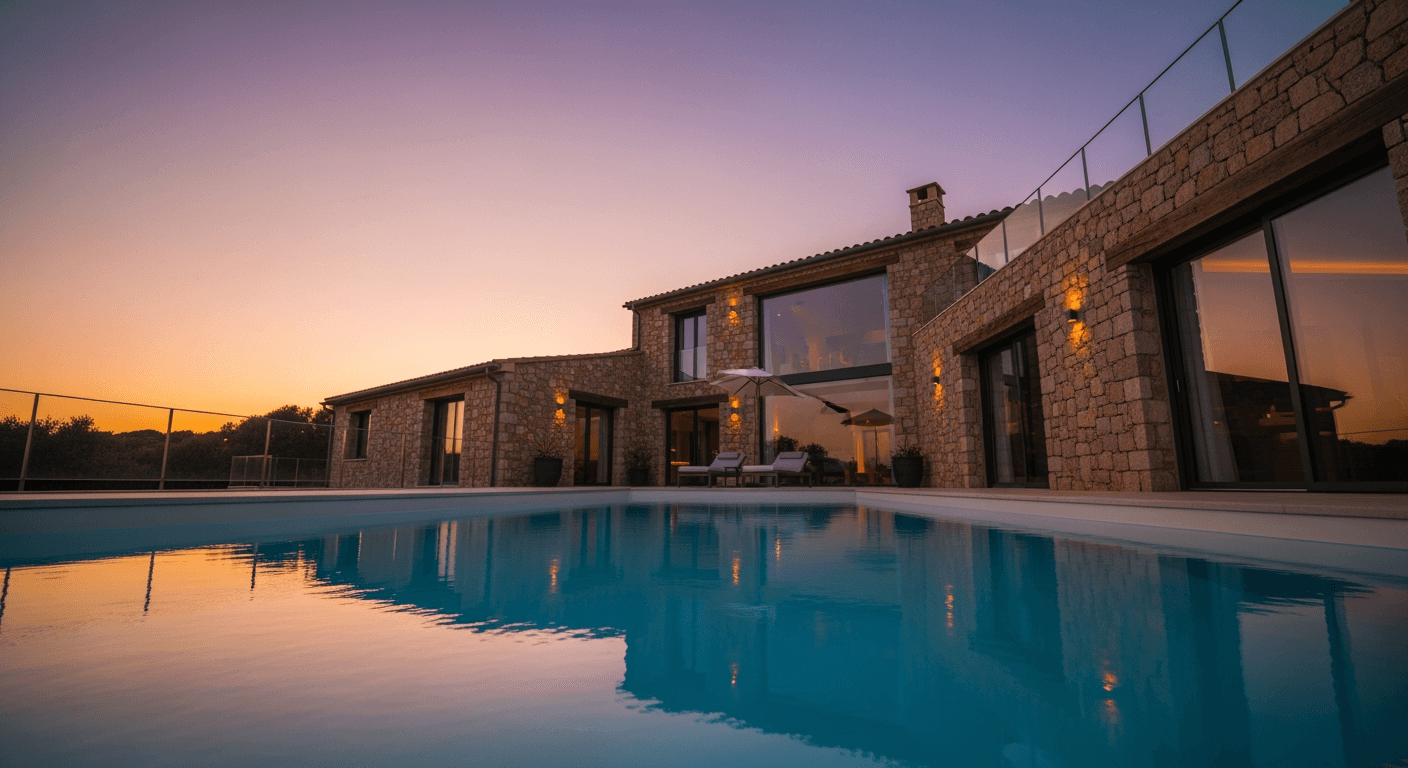

The dream of a Mediterranean home is powerful. You might picture a sun-drenched terrace overlooking the sea. But should that terrace be in Italy or Greece? While both countries offer incredible lifestyles, the right choice for your property investment depends on practical details. A home is more than just a beautiful view. It is about daily comfort, long-term costs, and modern convenience.
Making a smart decision in 2026 requires looking past the romance. It means understanding the real-world differences in property amenities. This guide offers a detailed comparison of the features that truly matter for year-round living. We will explore climate control, outdoor spaces, digital connectivity, and crucial energy efficiency standards.
By comparing these key amenities side-by-side, you can determine which country's properties best match your budget and lifestyle. This practical analysis will help you choose your Mediterranean home with confidence.
The Climate Comfort Divide: Air Conditioning & Heating in 2026
A common myth suggests you do not need heating in Southern Italy or Greece. This is a costly mistake for anyone planning to live there year-round. While summers are famously hot, winters can be surprisingly cold and damp. Effective climate control is not a luxury; it is essential for comfort and a major factor in your monthly utility bills. Both countries have unique approaches to keeping homes comfortable, shaped by climate, construction history, and regulations.

In Italy, heating is a serious, regulated part of life. The country is divided into climate zones, which legally determine when centralized heating systems can be turned on and off. In many apartment buildings (condomini), a single system serves all units. This means you have less personal control over the schedule. These systems often use gas boilers and traditional cast iron radiators. Air conditioning, on the other hand, is less standardized. While demand is high due to hot summers, central A/C is very rare. It is far more common to find individual room units installed in newer or renovated properties. This gives you room-by-room control but requires multiple units for a whole home.
In Greece, the situation is almost reversed in focus. Air conditioning is considered essential for surviving the intense summer heat. It is a standard feature in nearly all new-build properties and holiday rentals.
Many of these A/C units also function as heat pumps, providing warmth in the winter. This is crucial because the need for winter heating is often underestimated. Over half of Greek homes were built before 1980, often with little to no insulation.
This makes them prone to dampness and cold from November to March. Without an efficient heating source, these homes can be uncomfortable and expensive to live in during the winter months. As energy prices rise, the efficiency of these heat pump systems becomes a critical financial consideration.
The table below breaks down the key differences in climate control amenities for a potential buyer in 2026.
| Feature | Italy | Greece |
|---|---|---|
| A/C Prevalence | High demand; individual units are common, central A/C is rare. | Essential for summer; standard in new builds and rentals. |
| Heating Necessity | Legally required and regulated for winter comfort nationwide. | Crucial for damp winters, especially in older, poorly insulated homes. |
| Common Systems | Centralised gas heating (condominiums), independent boilers, cast iron radiators. | A/C units (heat pumps), fireplaces, growing adoption of solar for hot water. |
| 2026 Cost Factor | High energy costs make efficient systems (Class A) a priority. | Rising electricity prices make energy-efficient A/C and insulation vital. |
Ultimately, for a buyer in 2026, the key takeaway is to look beyond the simple presence of these systems. You must investigate their age, efficiency rating, and running costs. An old, inefficient boiler in an Italian apartment or a cheap A/C unit in a poorly insulated Greek villa can lead to significant and unexpected expenses. Prioritizing modern, energy-efficient solutions is the smartest financial move in both countries.
Outdoor Living: Pools, Gardens, and Terraces
In the Mediterranean, life is often lived outdoors. A property's outdoor amenities are not just add-ons; they are central to the lifestyle and a major driver of real estate value. Whether it is a private swimming pool, a lush garden, or a terrace with a stunning view, these spaces define the experience of living in Italy or Greece. However, the type, cost, and cultural significance of these amenities differ greatly between the two nations. Understanding these differences is key to finding a property that fits your vision of the perfect Mediterranean life.
For many international buyers, a private pool is the ultimate symbol of a dream home. Yet, the role of the swimming pool in the property market is one of the clearest distinctions between Italy and Greece. Similarly, the way space is used for gardens and terraces reflects different cultural priorities. In one country, you may find expansive, manicured lawns for family gatherings, while in the other, the focus is on creating intimate patios designed to capture sea breezes and panoramic views. Let's explore these crucial outdoor features in more detail.

The Swimming Pool Equation
In Italy, a swimming pool is generally considered a significant luxury. It is not a standard feature, even in high-end properties. Adding a pool to an existing property is a major project.
Installation costs can easily exceed €40,000, and that is before considering ongoing maintenance for chemicals, cleaning, and electricity. Getting a building permit can also be a complex and lengthy process, especially in rural or historically protected areas like Tuscany. Because they are less common, properties with pools command a premium price and are highly sought after. A pool can significantly increase the rental appeal of a holiday home, but owners must weigh the high initial investment against the potential income.
In Greece, the story is very different, particularly in the market for villas aimed at international buyers. On islands like Crete or in the Cyclades, a private swimming pool is now an expected amenity. It has shifted from a luxury to a standard feature for new-build villas. The market has adapted to this demand, and developers include pools as a key selling point. This makes it much easier for buyers to find a turnkey property with a pool already in place. While maintenance costs still apply, the pool is considered essential for securing high rental returns during the long summer season. The absence of a pool can put a Greek rental villa at a significant disadvantage.
When searching for your ideal property, you can easily filter your search on platforms like one-place.com to see properties that already include this desirable feature in either country.
Gardens vs. Terraces: The Use of Space
The Italian love for food, family, and communal living is reflected in their outdoor spaces. A large terrace, or 'terrazza', is highly prized. It serves as an outdoor dining room for long lunches and dinners. In countryside properties like farmhouses in Puglia or Le Marche, a well-maintained garden ('giardino') is also a key feature. These spaces are often used for growing vegetables, herbs, or simply as a safe place for children to play. The emphasis is on creating a functional, beautiful extension of the home's living area. Even city apartments are valued for having a small balcony large enough for a table and two chairs.
In Greece, especially on the islands, the design of outdoor spaces is dictated by the landscape and the sea. While gardens exist, the focus is more on patios and verandas that maximize sea views and offer shade from the sun. The classic Greek island home features whitewashed walls and stone-paved courtyards.
These areas are often furnished with built-in seating and covered by a pergola for shade. A very popular and growing trend is the inclusion of an outdoor kitchen or a dedicated barbecue area. This allows for cooking and entertaining entirely outdoors, fully embracing the warm climate and the stunning surroundings. The space is less about traditional gardening and more about creating the perfect platform for enjoying the view.
The 2026 Digital Nomad Test: Internet & Workspace Readiness
In 2026, a property's value is no longer just about its physical features. For a growing number of buyers and long-term renters, digital connectivity is a make-or-break amenity. The rise of remote work has turned a reliable internet connection into a basic utility, as important as water or electricity. The old myth that you cannot get fast internet in rural Mediterranean areas is quickly becoming outdated. While challenges remain, new technologies are making it possible to work from a rustic Italian farmhouse or a secluded Greek villa.

Both Italy and Greece are investing heavily in their digital infrastructure. The Italian smart home market is expanding rapidly, with surveys showing that a fast, stable Wi-Fi connection is a top priority for homebuyers. In Greece, cities like Athens and Thessaloniki are emerging as popular hubs for digital nomads, which drives demand for well-connected apartments and homes. When evaluating a property, it is crucial to look beyond a simple claim of 'internet available'. You need to understand the type and quality of the connection. A property's readiness for remote work can significantly impact its usability and long-term value.
Here is a checklist of connectivity features to consider when comparing properties in Italy and Greece:
- Fibre Optic (FTTH): This is the gold standard for internet speed and reliability. It is increasingly available in major cities and expanding into larger towns in both countries. If you plan to live in an urban area, you should check for fibre-to-the-home availability.
- Satellite Internet (e.g., Starlink): This technology is a true game-changer for rural properties. It has made high-speed internet a viable option for remote villas, farmhouses, and homes outside of traditional network coverage. It makes the dream of working from a secluded location a reality.
- 5G Mobile Data: In many populated areas, 5G mobile networks offer speeds that can compete with home broadband. This can serve as an excellent primary connection for some or a very reliable backup if your main line goes down.
- Dedicated Workspace: Beyond connectivity, the physical space to work is now a listed amenity. Real estate listings for new builds and renovated properties are increasingly advertising a dedicated room, nook, or quiet area suitable for a home office.
When you inspect a property, do not just ask if it has internet. Ask what kind it is. Run a speed test if possible. For remote work, a stable connection for video calls is more important than a high download speed. The presence of a dedicated workspace also signals that a property has been designed or updated with the modern remote worker in mind, which is a positive sign for its future relevance.
The Green Mandate: Energy Efficiency & Future-Proofing
Perhaps the most significant but least understood factor for property buyers in 2026 is energy efficiency. Driven by rising energy costs and new European Union regulations, a home's energy performance is now a critical financial issue. Both Italy and Greece are bound by the EU's Energy Performance of Buildings Directive (EPBD). This directive sets ambitious goals for reducing energy consumption, with major deadlines approaching. It targets the least efficient buildings first, meaning that buying an older, unrenovated property carries new financial risks.

The key document here is the Energy Performance Certificate (EPC). In Italy, it is called the APE (Attestato di Prestazione Energetica). Think of it like the energy efficiency sticker on a new refrigerator, but for the entire house. It rates the property on a scale, typically from A to G. An 'A' rating means very low energy use and low utility bills. A 'G' rating means the home is poorly insulated and will be expensive to heat and cool. As of 2026, this certificate is no longer just a piece of paperwork. It is a direct indicator of your future living costs and potential renovation expenses.
Data from the Greek real estate market already shows this trend. Properties with a top Class A+ energy rating are valued 15% to 18% higher than comparable older homes. This 'green premium' is expected to grow across Europe as the regulations become stricter. For a buyer, this means an energy-efficient home is not just cheaper to run; it is also a safer long-term investment. Here is what the EU's green directive means for you as a buyer in 2026:
- Higher Value for Efficient Homes: Properties with high EPC ratings (like A or B) will sell for more and hold their value better. They represent lower running costs and future-proof certainty.
- Mandatory Renovations on the Horizon: If you buy a property with a low rating (like F or G), you are also buying a future obligation. You will likely need to spend significant money on upgrades like insulation or new windows to meet 2030 or 2035 targets.
- Solar is Becoming Standard: Solar panels for hot water and electricity generation are shifting from a bonus feature to a standard component of modern homes. Regulations will increasingly require them for new builds and major renovations.
- New Builds Offer Certainty: The demand for new construction is rising because it offers guaranteed compliance with the latest energy codes. A new-build home provides peace of mind that you will not face unexpected mandatory upgrades in the near future.
When comparing an old stone farmhouse in Italy to a new villa in Greece, the EPC rating is a vital piece of your financial puzzle. The charm of an old property must be weighed against the potential cost of bringing it up to modern energy standards. A new build might have a higher upfront price but could save you tens of thousands of euros in the long run.
Making Your Decision: Which Country's Properties Match You?
After comparing the key amenities, a clearer picture emerges. The choice between Italy and Greece is not about which country is 'better,' but about which country's typical property profile aligns with your personal priorities, lifestyle, and budget. Your decision depends on what you value most in a home.

Choose Italy if your dream involves being part of a historic community. Italian properties, from townhouses to country homes, are often integrated into established towns and landscapes. You likely appreciate the regulated nature of year-round comfort, where winter heating is a given. You might see a swimming pool as a special luxury rather than a standard feature. You may also be drawn to the character of older buildings made of stone and brick, and you are open to the idea of renovation to blend modern comforts with historic charm.
Choose Greece if your priority is a modern, purpose-built property designed for a sun-and-sea lifestyle. Your vision probably centers on a contemporary villa with a stunning sea view, where a private swimming pool is a central part of the experience. You are likely focused on the summer lifestyle and the strong potential for rental income. You prefer the certainty of a new-build property that meets the latest energy efficiency standards from day one, offering an energy-independent and low-maintenance investment.
Ultimately, the decision comes down to a core trade-off. Is your priority to adapt your lifestyle to a home with deep historic roots, as is common in Italy? Or is it to acquire a modern lifestyle property, built for the international market and optimized for today's needs, as is increasingly the case in Greece? By answering that question, you will know which beautiful country holds the key to your Mediterranean dream.