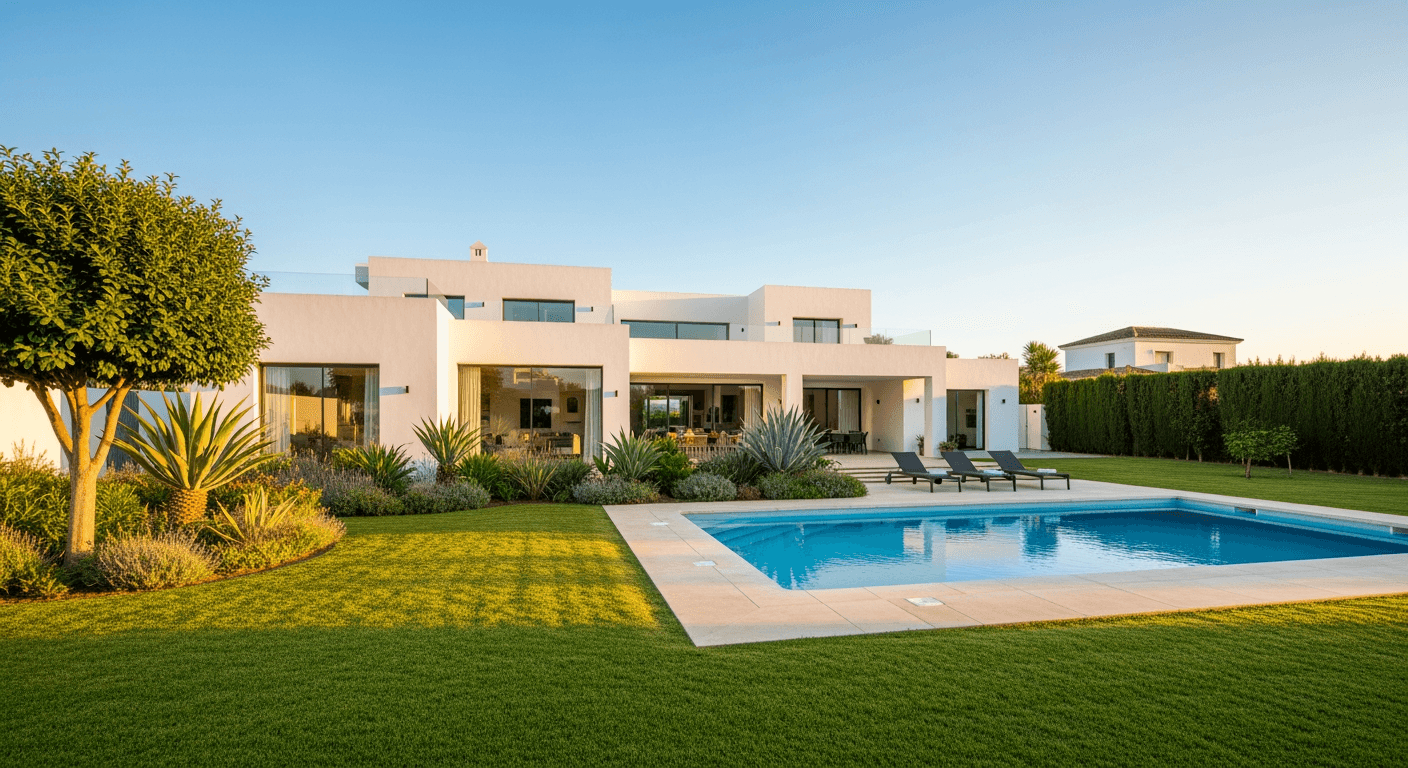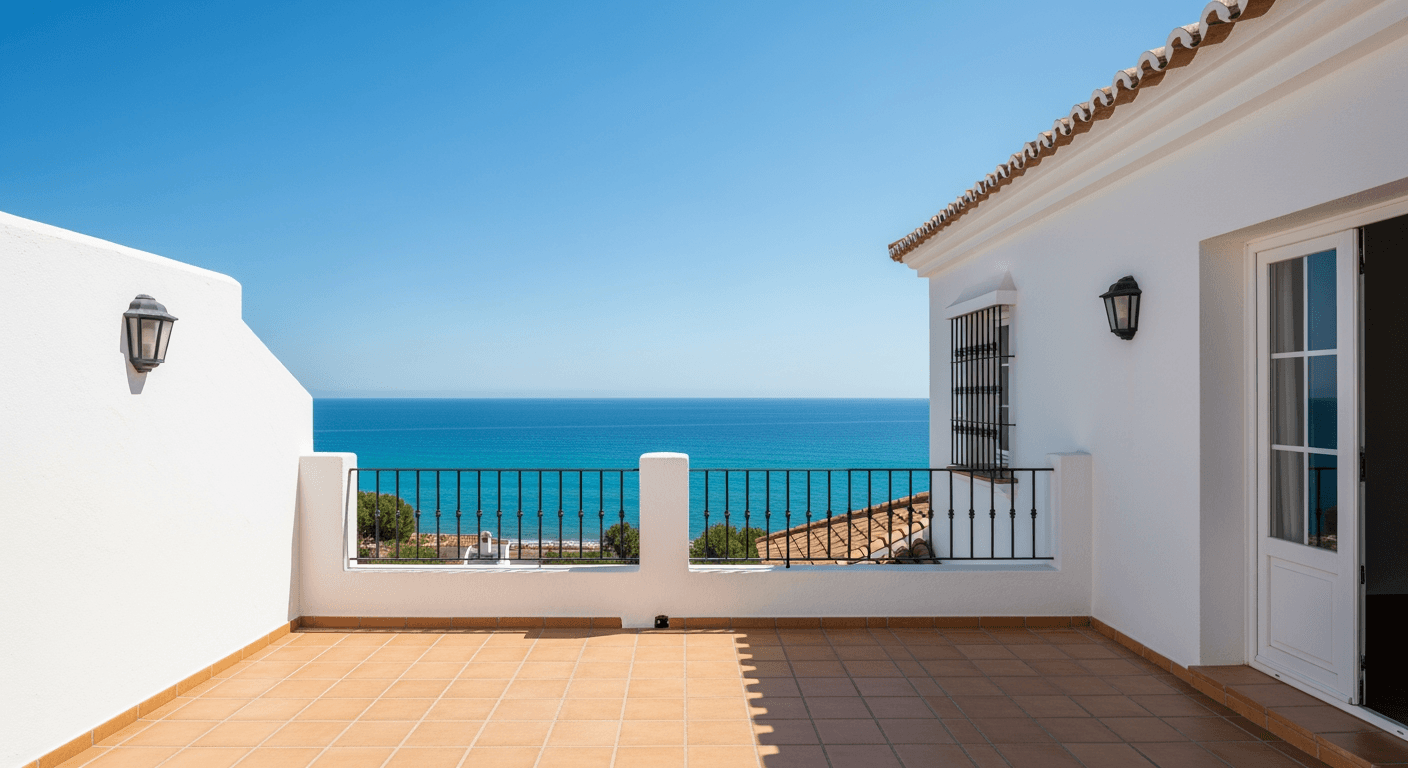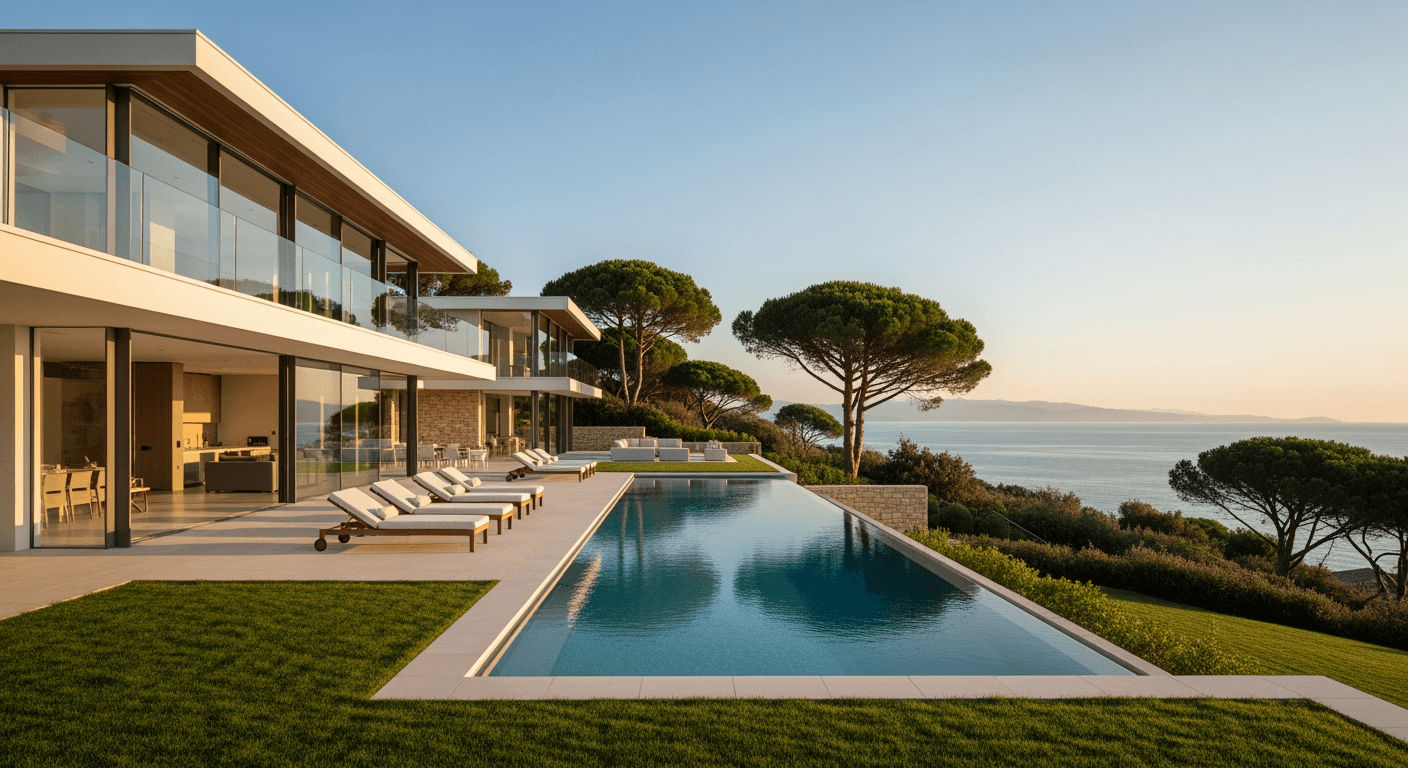


Imagine a home where life unfolds around a private, sun-drenched oasis. The air carries the sweet scent of jasmine and citrus. The gentle sound of a fountain masks the outside world. This is the dream of an authentic Spanish courtyard home. These houses offer more than just a place to live. They provide a unique lifestyle rooted in history, culture, and a deep connection to the outdoors.
Many people romanticize this way of life. They picture long, lazy afternoons in the cool shade of a patio. However, turning this dream into reality needs more than just imagination. It needs a clear plan. These homes are architectural treasures, but finding and restoring one can feel complex. This is especially true for buyers from outside of Spain.
This guide will help you move from dreaming to planning. We will explore what makes a Spanish home with a courtyard truly authentic. You will learn about the different types of properties, from rustic fincas to grand haciendas. We will also cover the functional beauty of the courtyard itself. Finally, we will provide a practical roadmap for finding, buying, and renovating your perfect Spanish home in 2026.
What Makes a Spanish Courtyard Home "Authentic"?
The soul of a traditional Spanish home is not found in its facade. It lives within its central courtyard, or 'patio'. This is not just a decorative feature. It is the architectural heart of the house. An authentic design is born from centuries of history and a smart response to the Spanish climate. Its roots trace back to Roman villas and, more significantly, to Moorish architecture. These influences shaped a home that looks inward, creating a private and secure world for its inhabitants.

Think of the courtyard as a private, outdoor living room. Unlike a typical backyard exposed to neighbors, the patio is an enclosed sanctuary. All the main rooms of the house open onto this central space. This layout brings natural light deep into the home. It also promotes air circulation, a key feature for staying cool in the hot summer months. The design is a masterclass in passive, natural climate control. The thick, whitewashed stucco walls reflect the intense sun, keeping the building's interior cool. During the day, these walls absorb heat. At night, the open courtyard allows cool air to settle and circulate throughout the home, lowering the temperature naturally.
Key elements define this authentic style. Red clay terracotta tiles on the roof are not just for looks; they are breathable and help release trapped heat. Arched doorways and windows are common, a clear nod to the Moorish influence. You will often see dark wooden beams supporting the ceilings, adding rustic charm. Wrought iron is used for gates, window grilles ('rejas'), and balconies. This adds security and decorative detail. Finally, decorative tiles, known as 'azulejos', often adorn walls, stairs, and fountains. They bring color, artistry, and a sense of history to the space. Together, these features create a home that is both beautiful and highly functional, perfectly suited to the Mediterranean lifestyle.
So, an authentic Spanish courtyard home is much more than a house with a patio. It's a cohesive architectural system. Every element, from the wall thickness to the courtyard's placement, serves a purpose. It is a design philosophy that prioritizes privacy, comfort, and a seamless flow between indoor and outdoor living. Understanding this DNA is the first step to recognizing a true architectural gem from a modern imitation. This knowledge helps you appreciate the timeless wisdom built into these beautiful structures, which have provided comfort and shelter for generations.
Beyond the Whitewashed Walls: A Typology of Traditional Courtyard Homes
The term 'Spanish courtyard home' covers a wide range of properties. Knowing the specific names and types will greatly help your search. Using the correct vocabulary helps you find exactly what you are looking for. It also shows a deeper understanding of Spanish culture and architecture. Each type of home has a unique history, size, and character. A rural 'cortijo' offers a very different lifestyle from an urban 'casa-patio'. Learning to spot these differences is key to finding the perfect property for your needs and dreams.

From sprawling agricultural estates to compact city dwellings, the courtyard concept adapts to its surroundings. The size of the patio, the materials used, and the overall layout reflect the property's original purpose and regional location. For example, a grand 'hacienda' was a symbol of wealth and power, with large, impressive patios. A humble 'finca' was a practical farmhouse, with a courtyard designed for work and family life. The following table breaks down the main types of traditional Spanish homes that feature a courtyard, helping you to refine your search.
| Property Type | Typical Location | Original Purpose & Size | Key Courtyard Feature |
|---|---|---|---|
| Cortijo | Rural Andalusia | Large agricultural/livestock estate; often expansive | Large, functional central yard, sometimes with stables or work buildings attached. |
| Hacienda | Spain & The Americas | Very large estate (plantation, olive grove); grand and sprawling | Often features grand, arcaded cloisters and multiple patios for different functions. |
| Finca | Rural Spain (various regions) | General term for a country house with land; size varies greatly | Can range from a simple patio to a more formal courtyard, often rustic in style. |
| Casa-Patio | Urban (e.g., Córdoba, Seville) | City or townhouse; compact | The entire home is organized around a central, highly decorated patio. |
| Pazo | Galicia (Northern Spain) | Manor house, often with aristocratic roots; stone construction | More akin to a fortified manor with a central courtyard, reflecting a cooler, wetter climate. |
Choosing between these types depends entirely on your vision. Do you dream of a large, productive estate in the heart of Andalusia's olive groves? A cortijo or hacienda might be your goal. Are you looking for a more manageable country home with rustic charm? A finca could be perfect. If you love city life and want a hidden jewel, a casa-patio in Seville or Córdoba offers urban living with total privacy. And for those drawn to the green, cooler climate of Northern Spain, the stone-built pazos of Galicia present a different but equally historic option. Each choice brings its own unique character and lifestyle.
The Heart of the Home: The Functional Beauty of the Spanish Patio
The Spanish patio is far more than an empty space. It is a dynamic, living part of the home that serves many vital functions. Its design has been perfected over centuries to improve the quality of life within the house. Modern homeowners are rediscovering the genius of this ancient design. A well-designed courtyard offers huge benefits in terms of comfort, energy use, and mental well-being. It is a feature that adds real, measurable value to a property. Studies show that homes with high-quality outdoor living spaces can see their property value increase by as much as 20%.

The beauty of the patio is not just visual. It is functional. It works hard to make the home more comfortable and efficient. From providing natural air conditioning to creating a secure space for families, the benefits are numerous. Let's explore the key roles the Spanish patio plays in daily life.
- Natural Climate Control: The courtyard is a brilliant passive cooling system. The surrounding thick walls absorb the sun's heat during the day. Shaded areas and plants help keep the patio floor cool. At night, cool air sinks into the courtyard. This cooler air then flows into the surrounding rooms, creating a natural ventilation cycle. This can dramatically reduce the need for expensive air conditioning.
- Light & Energy Savings: By placing the main living spaces around a central, open area, the design allows sunlight to reach deep into the house. This reduces the need for artificial lighting during the day. It not only saves on electricity bills but also creates a brighter, more pleasant living environment.
- Privacy & Tranquillity: The inward-facing design creates a true sanctuary. The courtyard is completely shielded from street noise and the eyes of neighbors. It is a private world where you can relax in peace. The sound of a small fountain, a common feature, can further enhance this sense of calm by masking any unwanted sounds.
- Connection with Nature: The patio serves as a private garden. It blurs the line between inside and out. It's a space for fragrant plants like jasmine and bougainvillea, potted citrus or olive trees, and climbing vines. This connection to nature has been shown to reduce stress and improve well-being. It brings life, color, and scent into the very heart of the home.
- A Social Hub: Above all, the Spanish patio is a social space. It is the perfect setting for outdoor dining, entertaining guests, or simply enjoying a morning coffee. It acts as the communal heart of the home, a place where family and friends gather. This emphasis on shared space fosters a strong sense of community and connection.
These five benefits show why the courtyard is such an enduring and intelligent design feature. It is a testament to an architecture that understands both the environment and human needs. When you buy a Spanish courtyard home, you are not just buying a property. You are investing in a healthier, more peaceful, and more connected way of life.
2026 Buyer's Guide: Finding & Renovating Your Dream Home from the UK
Finding and restoring an authentic Spanish home is an exciting project. For UK buyers, especially after Brexit, it requires careful planning. This guide provides actionable advice for navigating the process in 2026. Understanding the market, the legal steps, and the renovation process is crucial. With the right information, you can confidently manage the purchase and restoration of your dream property. This section breaks down the key stages, from budgeting and location scouting to hiring professionals and understanding local regulations.

The Market in 2026: Where to Look and What to Budget
The heartland for traditional courtyard homes remains Andalusia. The provinces of Málaga, Granada, and Córdoba are prime locations. These areas offer the hot, dry climate for which these homes were designed. Prices can vary greatly. A small village house needing full restoration might be surprisingly affordable, while a large, well-preserved cortijo can be a major investment. When budgeting, look beyond the purchase price. As of 2026, you should plan for renovation costs ranging from €500 to €1,800 per square meter. A basic update will be at the lower end, while a full structural renovation with high-end finishes will be at the top. It is vital to get a survey done by a qualified architect to estimate these costs accurately before you buy. Finding the right property with specific features can be challenging. An advanced property portal like one-place.com can help you filter your search for authentic details like a central patio or historic elements.
Navigating the Paperwork: Permits and Legalities
Any renovation work in Spain needs a permit from the local town hall, known as the 'Ayuntamiento'. The type of permit depends on the scale of your project. For simple, non-structural updates like re-tiling or painting, you will need a 'Licencia de Obra Menor' (minor works license). This is relatively quick to get, often taking between one and three months. However, if you plan to make structural changes—such as moving walls, changing the roof, or adding a swimming pool—you must apply for a 'Licencia de Obra Mayor' (major works license). This is a more complex process. It requires detailed plans drawn up by a registered architect. The approval for an Obra Mayor can take anywhere from three to over six months, so you must factor this timeline into your plans. Be aware of protected buildings or areas; they have stricter rules.
The Renovation Process Step-by-Step
A structured approach to renovation will save you time, money, and stress. Following these steps will help ensure your project runs smoothly and meets all legal requirements in Spain.
- Professional Assessment: Before you even buy, hire an 'arquitecto' (architect) and an 'aparejador' (technical architect). They will inspect the property's structure, roof, plumbing, and electrical systems. Their report is essential for understanding the true scope and cost of the work needed.
- Budgeting: Your total budget should include the renovation work, professional fees, and permit costs (typically 3-4% of the project cost). Crucially, always add a contingency fund of 15-20% of the total budget. Old houses often reveal unexpected issues, and this fund will cover them without derailing your project.
- Permit Application: Once you have your plans, your architect will submit them to the 'Ayuntamiento' to get the correct 'Licencia'. Do not start any work before the license is granted. Working without a permit can lead to large fines and orders to demolish the work.
- Tax Considerations: Spain offers a reduced VAT (known as 'IVA') rate for certain renovations. The standard rate is 21%, but you may qualify for a 10% rate. The conditions generally are that the property is your private residence, it is over two years old, and the cost of materials used by the builder is less than 40% of the total invoice. Check with your contractor that they can apply this.
- Execution: Hire qualified and insured professionals. Get multiple quotes and check references. If your property is historic or listed, work closely with your team to preserve original features like antique tiles ('azulejos'), stone floors, or wooden beams. This maintains the home's authentic character and value.
Making Your Dream a Reality
Owning an authentic Spanish courtyard home is more than an investment in property. It is an investment in a certain quality of life. It is about embracing a slower pace, connecting with history, and living in harmony with the climate. As we have seen, the path from dream to reality involves understanding what makes these homes special, knowing what type of property fits your vision, and navigating the practical steps of purchase and renovation.

The journey may seem complex, but it is an achievable dream. With the right knowledge and a clear plan, you can successfully find and restore one of these architectural treasures. The rewards are immense: a beautiful home, a private sanctuary, and a lifestyle that is both timeless and deeply satisfying. The key is to be prepared, do your research, and hire the right professionals to guide you.
The search for a home with such specific, historic character requires a powerful tool. Browsing generic property listings can be frustrating. Instead, use an intelligent search engine that understands what you are looking for. A platform that can filter for the architectural details that define authenticity, like a central patio or Moorish influences, is invaluable. Start your journey today to find your perfect courtyard home in Spain.