

Many people dream of owning a piece of European history. They imagine a sun-drenched Italian farmhouse or a classic French manor. These homes offer a unique connection to the past. They have character that new buildings cannot match. This dream feels both exciting and a little overwhelming. Choosing between two of the world's most beloved countries is a big decision.
This guide helps you move from dream to reality. We will compare France and Italy side-by-side for 2026. You will learn about the key differences that matter most. We will explore the unique architectural styles you can find. We will look at real property prices and renovation costs. You will understand the different legal steps for buying a home. Finally, we will compare the lifestyle in each country. This article gives you the practical, data-driven facts to make a confident choice.
The Soul of a Home: A Showdown of Architectural Styles
The heart of your dream is the property itself. A historic charm property is more than just a house. It is a story told in stone, wood, and tile. Both France and Italy offer a stunning variety of heritage homes. Each style reflects the local climate, history, and way of life. Understanding these differences is the first step. It helps you identify the type of home that truly speaks to you. Are you drawn to the rustic simplicity of a farmhouse? Or do you prefer the formal elegance of a master's house? The architectural style defines your daily experience.

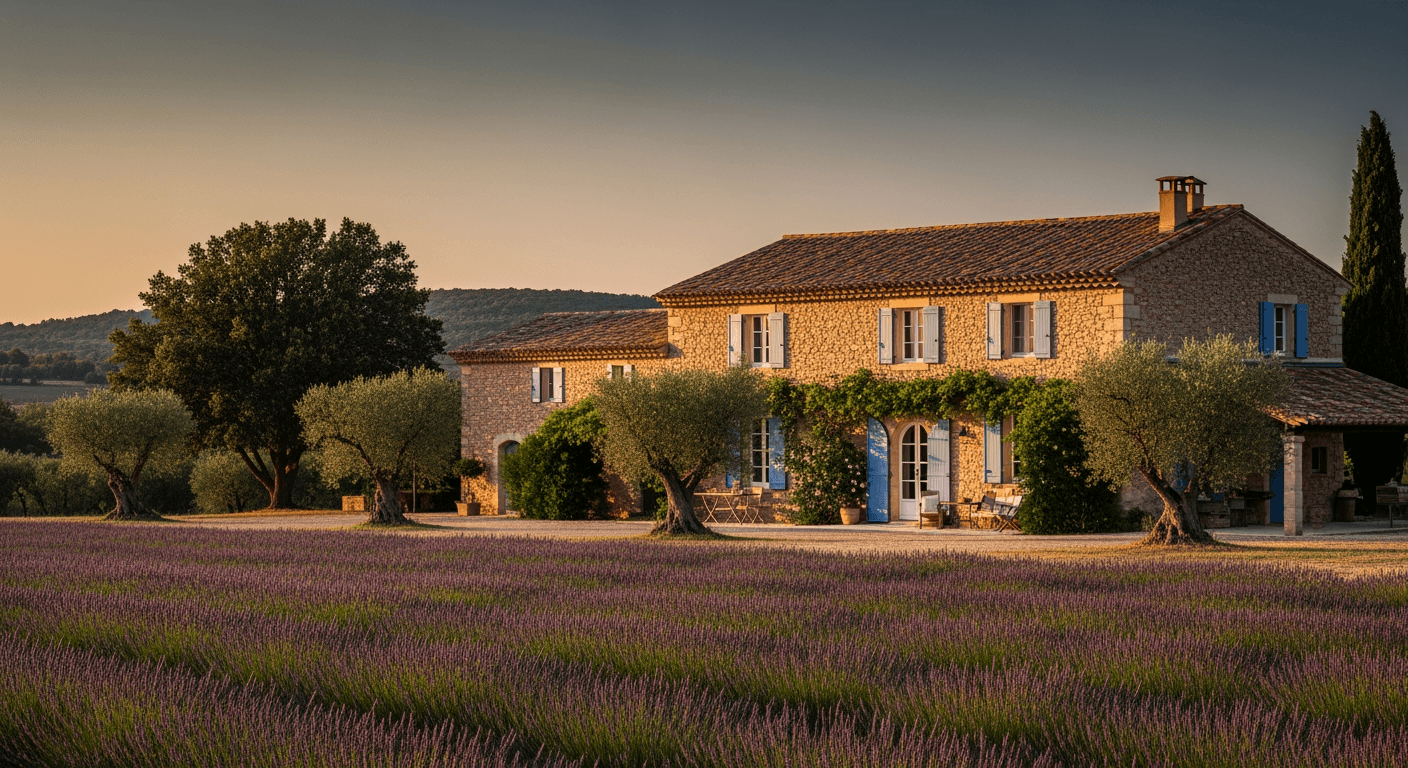
In France, property styles vary greatly by region. A 'Maison de Maître', or master's house, shows off a symmetrical facade and high ceilings. You can find these elegant homes on the edge of villages across the country. In Provence, the iconic 'Mas' is a rectangular stone farmhouse built to face south. It protects inhabitants from the strong Mistral wind. Further north, in Brittany and Normandy, you find the 'Longère'. This is a long, single-story stone building with a classic slate roof. Many have attached barns perfect for conversion. For a fairy-tale look, the 'Maison à colombages', or half-timbered house, is common in Normandy and Alsace.
Italy's architectural heritage is just as rich. The 'Casale', or farmhouse, is the classic dream for many buyers. Found in Tuscany, Umbria, and Le Marche, these stone buildings feature terracotta roofs and large fireplaces. They often need renovation, offering a blank canvas. In the southern region of Puglia, you find the unique 'Trullo'. These homes have conical, dry-stone roofs and whitewashed walls. They are a protected style and offer a one-of-a-kind living experience. For city lovers, a 'Palazzo' apartment in Florence or Rome is an option. These grand apartments are located in historic palaces. They often feature vaulted ceilings, original frescoes, and large, beautiful windows. A 'Masseria' is a larger, fortified farmhouse, common in Southern Italy.
These properties are valued for their period features. Think of exposed stone walls, thick wooden beams, and original terracotta floors. Large, open fireplaces were the heart of the home for centuries. Hand-painted tiles and vaulted ceilings add to the unique charm. Owning a historic home is like being a caretaker of art and history. The table below gives a quick comparison of the most popular styles.
| Architectural Style | Country | Defining Features | Primary Regions |
|---|---|---|---|
| Casale / Farmhouse | Italy | Stone construction, terracotta roof tiles, large hearths, often needs renovation. | Tuscany, Umbria, Le Marche |
| Mas / Farmhouse | France | Rectangular stone building, south-facing, flat tile roof, often part of a larger estate. | Provence |
| Longère / Longhouse | France | Long, rectangular, single-story stone building with a slate roof, often with attached barns. | Brittany, Normandy |
| Trullo | Italy | Conical, dry-stone roof, whitewashed walls, a unique and protected style. | Puglia |
| Maison de Maître | France | Symmetrical "master's house," high ceilings, large windows, often on the edge of a village. | All regions, incl. Dordogne |
| Palazzo Apartment | Italy | Located in a historic city palace, features high/vaulted ceilings, large windows, possible frescoes. | Florence, Rome, Venice |
Choosing a style is deeply personal. It shapes how you will live in and interact with your new home. A French 'Longère' offers a different layout and feel than an Italian 'Casale'. Consider the climate where these homes were built. A 'Mas' in Provence is designed for hot summers. A 'Longère' in Normandy is built to stay warm in cooler, wetter weather. Your choice of architecture is a choice of lifestyle.
The Financial Reality: 2026 Price & Renovation Cost Comparison
After finding a style you love, the next step is budgeting. The financial side of buying a historic home can be complex. It goes beyond the initial purchase price. You must consider taxes, fees, and potential renovation costs. A common myth is that you can buy a perfect farmhouse for almost nothing. The reality is more nuanced. While purchase prices can be lower in some areas, total costs can be significant. This section provides a data-driven look at the financial differences between Italy and France in 2026.

Average Property Prices (€/sqm) in Popular Regions
Property prices are a major factor in your decision. Generally, Italy offers a lower cost per square metre for historic homes. This is especially true in its beautiful rural regions. France, on the other hand, often has a more stable and predictable property market. This can lead to better long-term value in certain areas. It's important to look beyond national averages. Prices change dramatically between regions.
For example, as of early 2026, the average price in Italy's famous Tuscany region is around €2,700 per square metre. In the popular South of France, that number jumps to about €3,900 per square metre. However, there are more affordable options. Italy's Umbria region, known as its 'green heart', has an average price of just €1,172 per square metre. In France, the Dordogne region remains a favorite for expats. Its median price is around €1,800 per square metre. These numbers show that your budget can go much further if you explore different regions.
The table below compares average prices in these popular expat destinations. Remember that these are averages. A move-in ready home will cost more than a renovation project. Prime locations within a region will also command higher prices.
| Region | Country | Avg. Price per Square Metre (2026) | Notes |
|---|---|---|---|
| Tuscany | Italy | ~ €2,500 - €2,700 | Prices can exceed €6,000/sqm in prime spots like Florence. |
| Umbria | Italy | ~ €1,175 | Known as "the green heart of Italy," offering better value than Tuscany. |
| South of France (Provence) | France | ~ €3,500 - €3,900 | Prime coastal areas like Cannes can exceed €12,000/sqm. |
| Dordogne | France | ~ €1,800 (median) | Remains more affordable than southern regions and popular with expats. |
Budgeting for a Rebirth: Renovation Costs
Many historic properties need some work. This can range from light updates to a full renovation project. The cost of this work is a critical part of your total budget. In Italy, properties needing full renovation, often called a 'rustico' or ruin, are common. A full restoration of a ruin in Italy typically costs around €1,500 per square metre. A heavy renovation on a farmhouse can cost between €1,000 and €3,000 per square metre. These costs include new plumbing, electrical systems, roofing, and finishes.
Renovation costs in France are often comparable. However, they can change based on the location and the availability of specialized artisans. For example, finding a craftsman who can properly restore a slate roof on a 'Longère' is essential. You should always get multiple quotes from local builders. Also, create a contingency fund of at least 15-20% for unexpected issues. Old houses are full of surprises.
Think of it this way. Owning a historic home is like being the custodian of a classic car. It has immense style and character, but it needs specialized care and a budget for upkeep. A fully modernized home is like a new electric car. It is efficient and reliable but may lack the same unique story and soul. Being realistic about these long-term costs is key to enjoying your historic property without financial stress.
The Buying Process: Navigating French vs. Italian Bureaucracy
The legal journey to owning your dream home is where France and Italy differ the most. The process in both countries is robust but follows different rules. It's a common myth that buying property is the same across Europe. This is not true. Understanding the specific steps, key players, and potential pitfalls in each country will protect you and your investment. Total transaction costs, including taxes and fees, are similar in both countries. They usually range from 7% to 15% of the property price. However, how these costs are structured is very different.

In both countries, a public notary is central to the deal. Think of the French 'notaire' and the Italian 'notaio' as highly qualified legal referees. They ensure the property deal is legal. However, their specific duties vary. In France, the 'notaire' often handles more of the process. They represent the state, ensuring the deal is fair to both buyer and seller. Their fee, around 7-8% for older homes, includes most of the property transfer taxes. This makes the total cost more predictable.
In Italy, the 'notaio' also ensures the deal is legal. They verify the seller truly owns the property and can legally sell it. However, there is a critical difference. The Italian 'notaio' does not typically verify that the physical building complies with all planning permissions. This is a major pitfall for foreign buyers. A past owner might have built an extension without a permit. If you buy the house, that illegal structure becomes your problem. This is why independent technical due diligence is absolutely essential in Italy.
Taxes are also calculated differently. Both countries use a 'cadastral value' to calculate annual property taxes. This is a property's tax ID value set by the government. It is often much lower than the market price. In Italy, the main purchase tax is based on this lower value, which can be a benefit. Buyers pay a registration tax of 2% if it's their main home or 9% for a second home, plus separate notary and agent fees. In France, the main purchase tax is included in the notary's fee and is based on the sale price.
The following steps outline the typical buying path in each country, highlighting the key differences.
Offer & Preliminary Contract:
In France, you sign an 'Offre d'Achat' (offer), followed by a 'Compromis de Vente' (preliminary contract). This legally binding contract includes a 10-day cooling-off period for the buyer. During this time, you can back out without penalty. In Italy, you sign a 'Proposta d'Acquisto', then a 'Contratto Preliminare'. This is the critical stage in Italy. Before signing the preliminary contract, you must hire your own surveyor ('geometra') to perform technical due diligence. They check that the property matches its registered plans and has all permits.
The Notary's Role:
In France, the 'notaire' acts as a neutral state agent. They conduct all title searches and confirm there are no legal blocks to the sale. Their work provides a high level of security for both parties. In Italy, the 'notaio' primarily verifies the seller's legal title to the property. They ensure the transfer of ownership is legal. However, the buyer is responsible for verifying the physical state and planning compliance of the building itself. You cannot rely on the 'notaio' for this.
Final Deed & Transfer:
In France, you sign the final deed, the 'Acte de Vente', at the 'notaire's' office. At this moment, ownership is transferred. The process is highly regulated and generally very secure. In Italy, you sign the final deed, the 'Rogito Notarile'. Ownership is also transferred at this point. However, any building illegalities that were not discovered during your due diligence now become your liability. This makes the initial check by your surveyor extremely important.
Another key point is financing. It is generally easier for non-residents to get a mortgage in France. French banks are more accustomed to lending to foreign buyers and offer competitive rates. Getting a mortgage in Italy as a non-resident can be more challenging, though not impossible. This could be a deciding factor if you are not a cash buyer.
Making Your Decision: Key Factors for Your Lifestyle
Choosing between France and Italy is a wonderful dilemma to have. Both countries offer incredible history, culture, and a beautiful rural lifestyle. There is no single 'better' choice. The right decision depends on your personal priorities, budget, and tolerance for risk. Italy may offer a lower entry price for properties. However, its buying process holds more potential risks for a buyer who is not careful. France often provides a more predictable and legally secure experience, though initial property prices can be higher.

To help you decide, consider the following points. This checklist summarizes the key differences we have discussed. Use it to weigh what matters most to you and your family. This will help you focus your property search and turn your dream into an actionable plan.
- Choose Italy if:
- You are seeking the lowest possible purchase price and want more property for your money.
- You are prepared to invest time and resources in a thorough, independent due diligence process with your own surveyor.
- Your dream property is a classic Tuscan or Umbrian 'casale', a unique 'trullo' in Puglia, or a grand 'palazzo' apartment.
- Choose France if:
- You prioritize a streamlined, predictable, and legally secure buying process with fewer potential surprises.
- You may need a mortgage, as French banks are generally more open to lending to non-residents.
- Your dream property is a stone 'longère' in the north, a sunny Provençal 'mas', or an elegant 'Maison de Maître'.
With this knowledge, you can begin your search with confidence. Start by exploring properties in the regions that best match your budget and architectural tastes. Whether you choose the rolling hills of Tuscany or the charming villages of the Dordogne, owning a historic home in Europe is an adventure of a lifetime.