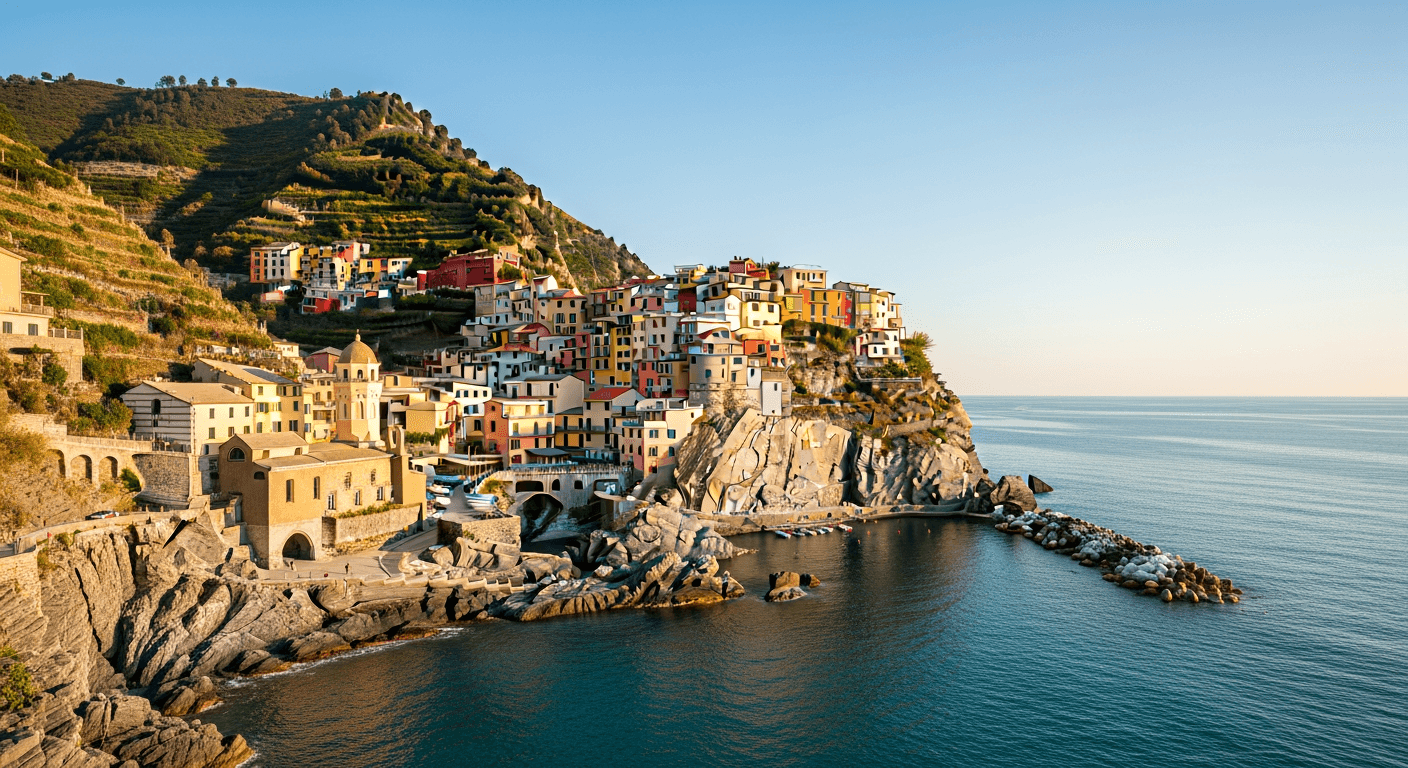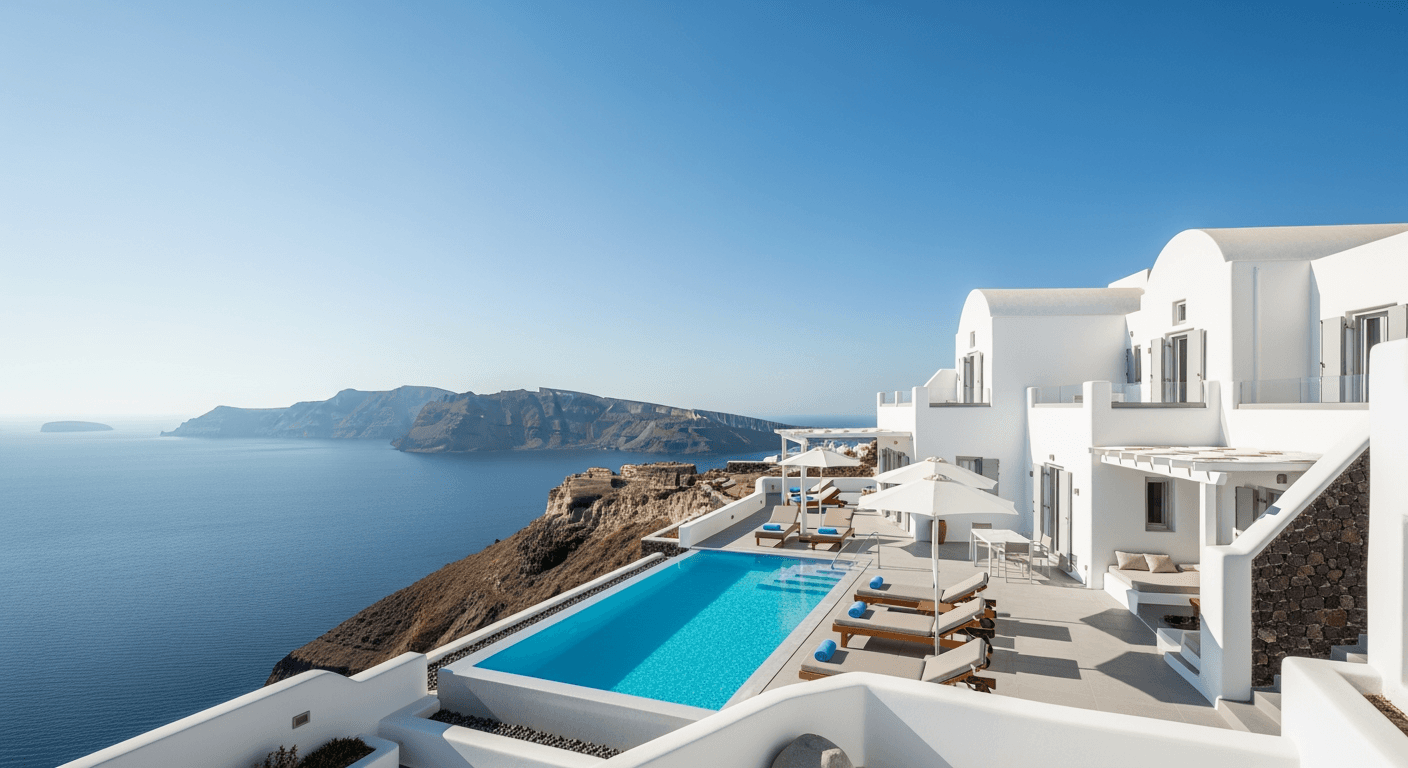


Many people dream of owning a home in Europe. They picture a glass of wine on a sun-drenched terrace. They imagine a life in a beautiful stone farmhouse. This dream feels more real than ever. Yet, for UK buyers, the path to ownership has changed. The process can feel complex and overwhelming.
Buying a home abroad is a big decision. It requires a clear plan. This is especially true when you want a home with traditional character. These properties are unique, but they also have unique challenges. You need to understand the costs, the legal steps, and the realities of renovation.
This guide will help you. We have created a clear framework for UK buyers in 2026. We will compare different countries and property types. We will look at real-world costs and legal hurdles. Our goal is to help you turn your dream into a reality, without the nightmares. Let's find your perfect European character home.
What is a "Traditional Character" Home? More Than Just Old Walls
A character property is not just an old house. It is a home with a unique identity and history. These homes are defined by their special architecture and the materials used to build them. Think of local stone, heavy wooden beams, and handmade terracotta tiles. They offer a charm that most modern properties cannot match. Owning one is like owning a piece of a region's story. It is a tangible link to cultural heritage.

The term 'character' means different things across Europe. A stone farmhouse in Tuscany is very different from a townhouse in France. This variety is part of the appeal. It means you can find a home that truly fits your vision. Buying a character home is like choosing an original painting over a mass-produced print. Each one has its own soul and story. These homes were built to last, using methods passed down through generations.
Common features often include large, original fireplaces, thick stone walls that keep rooms cool in summer, and beautiful vaulted ceilings. Many have large gardens, old courtyards, or outbuildings full of potential. These are not standard, box-like houses. They have quirks and imperfections that make them special. Understanding the different types of character properties is the first step in your search. Below are some of the most common categories you will find.
- The Farmhouse (French Ferme, Italian Cascina, Spanish Finca): These are typically found in rural settings. They are built from local stone or brick and often come with land. Many have barns or other outbuildings perfect for conversion. A Spanish 'finca' might have olive groves, while a French 'ferme' could have a large pasture. They offer a peaceful lifestyle connected to nature.
- The Townhouse (French Maison de Maître, Maltese Townhouse): Found in the hearts of villages and towns, these are elegant homes. A French 'Maison de Maître' or 'master's house' often features a symmetrical facade, high ceilings, and large windows. They may have a formal entrance hall and a hidden courtyard garden. These homes provide the convenience of town living with historic grandeur.
- The Villa/Country House (Italian Villa, French Bastide): These are larger, more stately properties. Originally built for wealthy families, they often have formal layouts and significant grounds. An Italian 'villa' in Tuscany might sit atop a hill with commanding views. A 'bastide' in Provence is a square, solid country house, often with a tiled roof and pastel shutters. They represent a grander scale of country living.
- The Unique & Atypical (Italian Trullo, French Longère, Greek Cave House): Some properties are completely unique to their region. An Italian 'trullo' from Puglia has a distinctive conical stone roof. A French 'longère' is a long, rectangular farmhouse, common in Brittany and Normandy. Greek cave houses are built into cliffs. These homes offer a truly one-of-a-kind living experience that cannot be replicated elsewhere.
2026 Market Snapshot: Comparing Europe's Top Countries for Character Homes
Choosing the right country is as important as choosing the right house. Each nation offers a different blend of culture, cost, and legal process. For UK buyers, factors like property taxes, cost of living, and visa rules are critical. The table below gives a quick comparison of the most popular destinations for buying a character home in 2026. Use it to see which country best fits your budget and lifestyle goals.

| Country | Popular Regions | Common Property Types | Avg. Price (Renovation Project) | Key Pro for UK Buyers | Key Con for UK Buyers |
|---|---|---|---|---|---|
| France | Dordogne, Brittany, Normandy | Longère (longhouse), Maison de Maître (master's house), stone Fermette (small farmhouse). | €70,000 - €150,000+ | Well-established market with clear legal process (notaire system). | Higher property taxes and social charges compared to some neighbours. |
| Italy | Tuscany, Puglia, Sicily, Abruzzo | Rustico (stone farmhouse), Trullo (conical roof house), townhouse. | €50,000 - €120,000+ | Taxes can be based on lower 'cadastral value', not market price. | Bureaucracy can be slow; agency fees often paid by the buyer. |
| Spain | Andalusia, Galicia, Catalonia | Finca (rural estate), Cortijo (country house), village townhouse. | €70,000 - €150,000+ | Lower cost of living and generally favourable property taxes. | Regional tax variations are significant; 90/180 day rule is strictly enforced. |
| Portugal | Alentejo, Silver Coast | Quinta (farm/estate), traditional village houses. | €100,000 - €200,000+ | Increasingly popular with a strong expat community; established buying process. | Prices have risen significantly in recent years; fewer 'bargain' properties. |
| Greece | Crete, The Peloponnese | Stone village houses, island homes (some requiring renovation). | €60,000 - €120,000+ | Golden Visa program offers a residency path for higher investments. | Buying process can be complex, requiring thorough legal checks for titles and permits. |
France remains a classic choice for British buyers. The market is mature, and the legal process is very clear. A state-appointed official called a 'notaire' oversees the sale. This person acts as a legal referee to protect both buyer and seller. While this provides security, be aware that property taxes and social charges in France can be higher than in Spain or Italy.
Italy offers some of the most affordable character homes, especially in southern regions like Puglia and Sicily. A major advantage is the 'cadastral value' system. This is a property's official tax value, which is often much lower than the market price. Some purchase taxes are calculated on this lower value, saving you money. However, Italian bureaucracy can be slow, and it is common for the real estate agency commission to be split between the buyer and seller.
Spain is known for its lower cost of living, which extends to property. Groceries, dining out, and property taxes are often more affordable than in Italy or France. This makes it a great choice for retirees or those on a fixed budget. However, taxes vary a lot between regions. Also, Spain strictly enforces the 90/180-day rule for non-EU residents, which is a key consideration for holiday home owners.
Portugal has grown in popularity, especially among UK expats. This has created strong communities and a well-trodden path for buyers. The process is established and relatively straightforward. The downside is that this popularity has pushed prices up, particularly on the Silver Coast and in the Algarve. True 'bargain' renovation projects are becoming harder to find compared to a few years ago.
The 2026 Buyer's Roadmap: A Step-by-Step Guide for UK Citizens
Buying a property in Europe as a UK citizen is entirely possible after Brexit. The key is to understand the new rules and follow a clear process. Property ownership does not automatically grant you the right to live there full-time. You are now a non-EU national, and you must follow the correct steps for visas, finances, and legal checks. This roadmap will guide you through the journey from start to finish.

- Step 1: The Post-Brexit Reality Check (Visa & Residency). This is your most important first step. As a UK citizen, you can stay in the Schengen Area for a maximum of 90 days within any 180-day period. This is fine for a holiday home. But if you want to stay longer, you must apply for a long-stay visa in your chosen country. You must do this *before* you buy. Each country has different options, like Spain's non-lucrative visa for those with sufficient funds. Research these requirements thoroughly.
- Step 2: Budgeting Beyond the Asking Price. The price on the listing is not the final price. You must budget an extra 10-15% of the purchase price for transaction costs. These 'hidden costs' include property transfer taxes, notary fees, legal fees, and agent commissions. For example, in Spain, transfer tax can be 7-10%. In France, the notary fees, which include taxes, are around 7-8%. Also, remember to account for currency exchange risk. The value of the pound can change between your offer and completion.
- Step 3: Getting Your Paperwork in Order. Before you can buy, you will need a local tax identification number. In Spain, this is called the NIE (Número de Identificación de Extranjero). In Italy, it is the Codice Fiscale. Obtaining this is a mandatory step. It is also wise to open a local bank account early in the process. This will make it much easier to transfer funds for the deposit, fees, and final purchase. Many transactions require a local account.
- Step 4: The Search & Due Diligence. The search phase is exciting as you explore regions and property styles. Many buyers start with a wide net, and using a modern approach with a comprehensive platform like one-place.com can help manage this initial exploration. Once you find a property you love, the real work begins. You must hire an independent lawyer who represents only your interests. They will perform crucial checks to verify the property's title is clean, there are no outstanding debts, and all buildings have the correct planning permissions. This step protects you from costly future problems.
- Step 5: The Binding Offer (Compromis/Arras). After your offer is accepted, you will sign a preliminary contract. In France, this is the 'Compromis de Vente'. In Spain, it is the 'Contrato de Arras'. This is a legally binding agreement for both buyer and seller. At this stage, you will pay a deposit, typically 5-10% of the purchase price. This money is held securely by the notary or your lawyer. The buyer usually has a short cooling-off period after signing, but the seller is locked in immediately.
- Step 6: Completion (Acte de Vente/Escritura). This is the final step. You will meet with the seller at the public notary's office to sign the final deed. In France, this is the 'Acte de Vente'; in Spain, it is the 'Escritura'. At this meeting, the remaining funds are transferred, and all taxes and fees are paid. Once the deed is signed, the property is officially registered in your name, and you receive the keys. The entire process, from offer to completion, usually takes between three and six months.
The Renovation Reality: Budgeting for Charm and Challenges
The romance of renovating an old European home is powerful. You imagine restoring stone walls and uncovering original features. While this is a rewarding experience, it is also a major project with significant costs. It is vital to have realistic expectations. Your renovation budget is just as important as your purchase budget. Understanding the potential challenges will help you avoid turning your dream project into a financial disaster.

Many buyers underestimate the time and money needed. Problems are often hidden behind walls or under floors. A property advertised as 'habitable' might still need a complete overhaul of its electrical and plumbing systems to meet modern safety standards. Always get a detailed survey from a qualified professional before you buy. This will help you identify potential issues and create a more accurate renovation budget. Below are some of the most common challenges you might face.
- Structural Surprises: This is the biggest financial risk. An old property might have issues with its foundation, cracked walls, or a failing roof. These problems can be hidden until work starts. Replacing a roof or underpinning a foundation can cost tens of thousands of euros. Always have a contingency fund of at least 20% of your renovation budget for these unexpected costs.
- Outdated Systems: You should assume that any old property will need completely new electrical wiring and plumbing. Old systems are often unsafe and do not meet modern regulations. This is a major but necessary expense. Rewiring a medium-sized house can easily cost over €10,000. This is not an area where you should cut corners.
- Permits and Permissions: You cannot simply start knocking down walls. Renovating a historic building requires specific permits, especially if it is a listed property. The process for getting these permits can be slow and complicated. It is important to work with a local architect or builder who understands the rules. Doing work without the correct permits can lead to massive fines and orders to undo the changes.
- The "€1 House" Trap: Be very wary of the €1 house schemes. The purchase price is just a symbol. The real cost is the legally binding commitment to renovate the property within a strict deadline, often 2-3 years. This renovation can easily cost €100,000 or more. You also have to pay thousands in upfront notary fees and a security deposit of up to €5,000. These are not a cheap way to get a dream home; they are a serious and costly undertaking.
- Labour and Materials: Restoring a character property correctly means using the right materials and skills. Finding skilled artisans who can work with traditional materials like stone, lime mortar, or ancient wood can be difficult and expensive. It may take longer to find the right craftspeople compared to hiring a modern builder. The results are worth it, but you must factor this into your budget and timeline.
Making Your Search Smarter: Finding Your Dream Home in 2026
Finding and buying your perfect European character home is a journey. Success comes from balancing the romantic dream with practical, real-world planning. You have seen how much the experience can vary. Your ideal home depends on your chosen country, the property type, your appetite for renovation, and your total budget. The first and biggest hurdle is often the search itself. The European property market is spread across dozens of different national and regional websites, making it hard to get a full view.

A smarter search saves you time and uncovers hidden gems you might otherwise miss. Instead of juggling countless websites in different languages, an intelligent platform can scan the entire market for you. This technology aggregates listings from all over Europe into one place. It allows you to use simple, descriptive phrases to find exactly what you are looking for. This cuts through the noise and connects you directly to properties that match your unique vision.
Ready to start your search? Instead of opening twenty tabs, open one. Try One Place today. Type in what you're truly dreaming of—like 'a secluded stone cottage in Provence with a garden and renovation potential'—and let our AI do the work. Your European character home is out there; let us help you find it.