

Many people dream of owning a home in the sun. France and Spain offer amazing lifestyles and beautiful homes. This makes them top choices for UK buyers. But choosing between these two wonderful countries can be very difficult. Each has a unique culture, landscape, and property market. It feels like a choice between two perfect options. This can leave you feeling stuck and unsure where to start your search.
The biggest challenge is understanding the true cost. The advertised price of a property is only the beginning. You must also consider taxes, legal fees, and other hidden costs. These extra expenses can add a large amount to your final bill. They also differ greatly between France and Spain. Simply comparing property prices is not enough. You need to see the full financial picture to know where your money will go furthest.
This guide is your complete cost map for 2026. We go beyond simple price lists. We will compare affordable regions in both countries side-by-side. You will learn about the total purchase costs, from taxes to notary fees. We will also map out the annual expenses you will pay as a homeowner. This data-driven analysis will help you decide with confidence. You will know exactly where your budget can find the best value.
The 2026 Price Map: What "Budget Property" Really Means in France vs. Spain
When you start your property search, the first thing you see is the price. This price is often shown per square metre (€/m²). This number helps you compare properties of different sizes. It gives you a standard way to measure value. In 2026, the national average prices show a clear difference between the two countries. Understanding these averages is the first step in mapping your budget. It helps you set realistic expectations for your search. While Spain appears cheaper on average, the real bargains are found by looking closer at specific regions.

On a national level, Spain generally has lower property prices. The average price across Spain is around €2,400 per square metre. In France, the national average is higher, at about €3,115 per square metre. This might make Spain seem like the obvious choice for a budget buyer. However, these are just averages. They include expensive cities like Paris and Madrid, and prime coastal areas. These high-cost locations pull the national average up. The key to finding a bargain is to look away from these hotspots. You must compare similar types of areas. For example, you should compare a rural village in France to a rural village in Spain, not to a Spanish coastal resort. When you do this, the price difference can become much smaller.
So what does a realistic budget look like? In France, you can find small apartments in regional towns starting from around €80,000. For houses needing renovation in rural areas, prices can be even lower. In Spain, the entry point is often lower still. In some inland provinces, you can find properties for well under €1,000 per square metre. This means a small village house might be available for less than €60,000. These prices open the door for buyers with modest budgets. It shows that the dream of owning a home in either country is very much alive. The following table breaks down these price differences to give you a clearer picture.
| Metric (2026 Data) | France | Spain |
|---|---|---|
| Average Price / m² (National) | ~€3,115 | ~€2,400 |
| Realistic Entry Price (Apartment) | €80,000 - €120,000 | Varies, but often lower |
| Most Affordable Regions | Inland, rural (e.g., Creuse) | Inland (e.g., Castile-La Mancha, Extremadura) |
| Price in Cheapest Provinces / m² | ~€1,200 - €1,600 (Rural) | ~€800 - €1,000 (Inland Provinces) |
This data clearly shows that while France has a higher national average, its most affordable rural areas are still very accessible. The price per square meter in these French regions is much closer to what you might find in parts of Spain. This debunks the myth that France is always more expensive. For a budget-conscious buyer, the search should not be about France versus Spain as a whole. Instead, it should be about specific, low-cost regions within each country. The next section will map out exactly where these budget-friendly hotspots are located.
Mapping the Hotspots: Where to Find Bargains in France and Spain
Finding a true bargain means knowing where to look. National averages can hide the amazing value found in specific regions. Both France and Spain have areas where property prices are far below the country's average. These are often rural or inland regions. They offer a more traditional way of life and a chance to get more property for your money. Focusing your search on these hotspots is the best strategy for a budget buyer. It allows you to move past the expensive coastal resorts and capital cities. Instead, you can discover charming villages and beautiful countryside where your budget stretches much further. This section provides a map to these value-packed locations, giving you a clear guide on where to begin your property hunt in 2026.
We will explore three distinct types of budget locations. First, we look at the deep rural heart of France, a triangle of value that offers space and tranquility. Then, we travel to Spain's inland heartland, where prices are among the lowest in Western Europe. Finally, for those who still dream of the sea, we will pinpoint affordable coastal regions in Spain that prove you do not always need a huge budget to live near the beach. Each of these areas offers a different lifestyle and different types of properties. Understanding them will help you match your personal preferences with your financial goals. Let's dive into the specifics of each budget hotspot.

France's Budget Triangle: Nouvelle-Aquitaine, Occitanie, and Burgundy
In the heart of France, far from the bustling cities, lies a triangle of affordability. This area covers parts of the Nouvelle-Aquitaine, Occitanie, and Burgundy regions. Here, you will find departments like Creuse, Haute-Vienne, and Nièvre. In these places, average house prices can fall well below €1,500 per square metre. Creuse is famous for being one of the cheapest departments in all of France. It offers a quiet, peaceful life surrounded by green hills and forests. This is deep rural France. Life is slower, and communities are smaller. You will need a car for shopping and daily errands, but in return, you get incredible value. You can find large properties with generous plots of land for a fraction of the price you would pay elsewhere. It is an ideal location for those seeking peace, space, and a connection to nature.
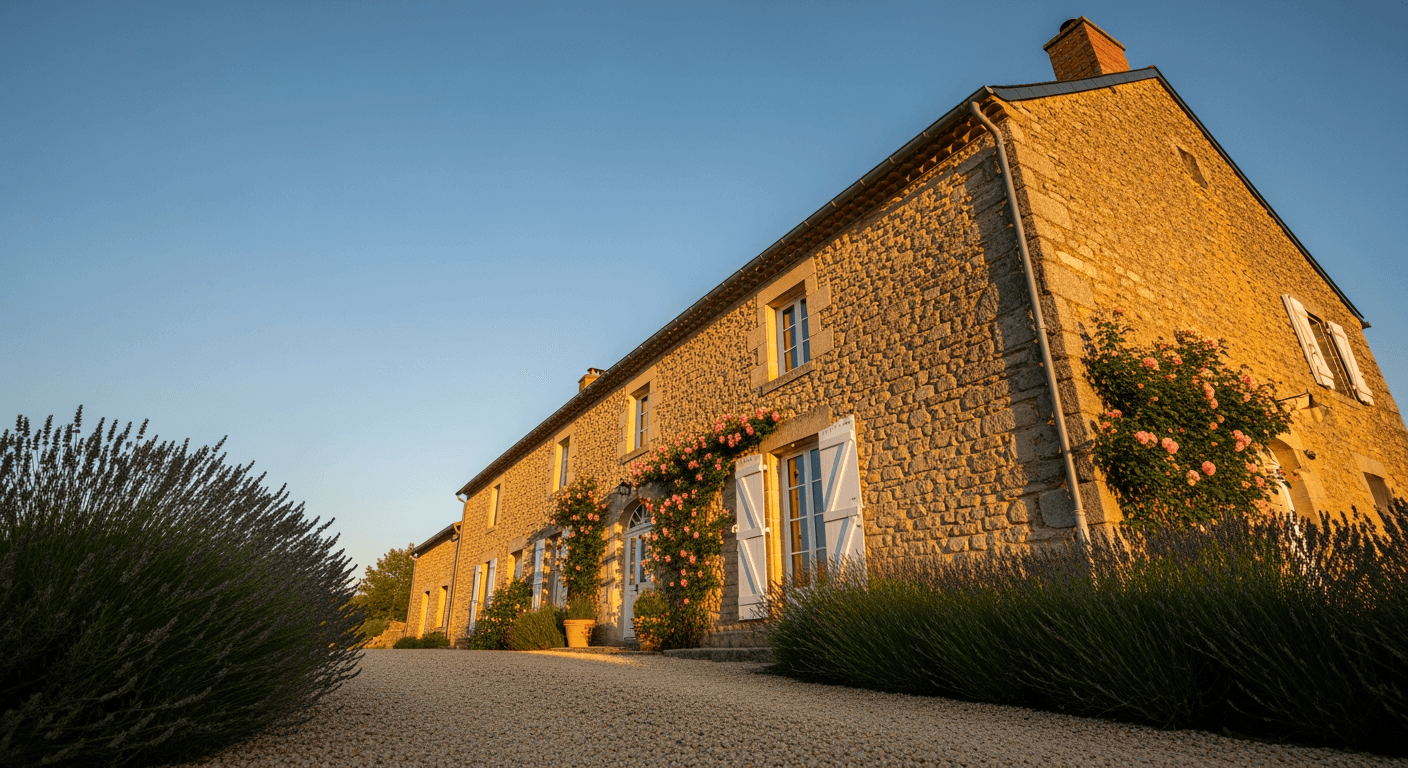
The properties available in this budget triangle are full of character. They reflect the agricultural history of the regions. You can find many stone farmhouses, known as *longères*, that are ready for renovation. These projects allow you to create your dream home at a low initial cost. There are also many village houses, or *maisons de village*, which put you at the heart of a local community. For the more adventurous, affordable plots of land are also available for self-build projects. This part of France is perfect for buyers who want to embrace a hands-on project and a truly French rural lifestyle.
- Renovation-ready stone farmhouses (longères)
- Village houses (maisons de village)
- Land plots for self-builds
Spain's Value Heartland: Extremadura, Castile-La Mancha, and Inland Andalusia
Spain's interior offers some of the most affordable property in all of Western Europe. The vast regions of Extremadura and Castile-La Mancha, along with the inland parts of Andalusia, are the country's value heartland. Here, the lifestyle is authentically Spanish, and the prices are astonishingly low. Provinces like Ciudad Real in Castile-La Mancha or Jaén in Andalusia have average prices around €807 to €836 per square metre. This is significantly less than half the national average. These regions are characterized by a hot, dry climate, olive groves stretching to the horizon, and historic white-washed villages. This is the Spain of Cervantes and Don Quixote. It is a world away from the busy tourist coasts.
For your money, you can expect to find very large properties. Many are in need of modernization, but the potential is huge. You can buy a substantial village house with multiple bedrooms and a courtyard for a price that would only get you a tiny apartment elsewhere. This area is ideal for buyers looking to immerse themselves in traditional Spanish culture and who are not afraid of a renovation project. The cost of living is also much lower here, meaning your budget will stretch even further on a day-to-day basis. The types of properties common in this region include:
- Large village houses needing modernization
- Country properties (fincas rústicas)
- Town apartments in historical centres
Don't Forget the Affordable Coast: Murcia & Almería (Spain)
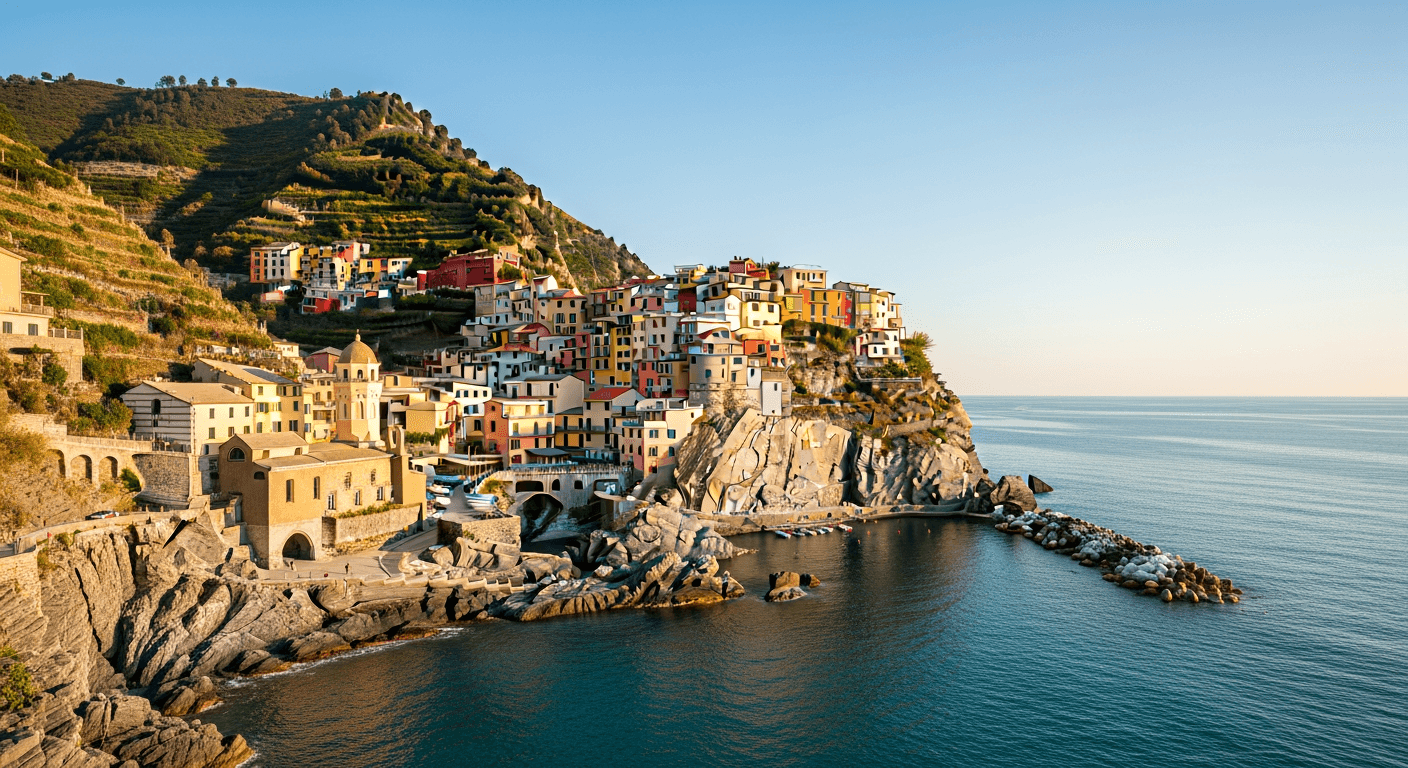
Many buyers dream of a home near the sea. People often assume this dream comes with a high price tag. However, Spain has coastal regions that are still very affordable. The region of Murcia, with its Costa Cálida ('Warm Coast'), and the province of Almería offer fantastic value. Here, you can find coastal properties for under €2,000 per square metre. This is just a fraction of the cost in more famous areas like the Costa del Sol or Costa Brava. These regions offer a warm, sunny climate year-round. Murcia is known for its calm seas and family-friendly beaches. Almería has a unique, rugged landscape and a drier climate, giving it a distinct character.
Choosing these areas is a smart move for budget-conscious sun-seekers. You get the benefit of a coastal lifestyle without the inflated prices and dense crowds of other Costas. While these areas might be less developed in terms of international infrastructure, they offer a more authentic Spanish beach experience. The property market includes a mix of apartments, townhouses, and small villas. You can find a holiday apartment within walking distance of the beach for a price that would be impossible in many other parts of Mediterranean Europe. It proves that with careful mapping, a budget property and a coastal location can go hand-in-hand.
The "Total Cost" Map: Comparing the Hidden Fees of Buying
The advertised price of a property is just the sticker price. It is not the final amount you will pay. Think of it like buying a car. You have the price of the car itself, but then you must add tax, registration, and other fees. The final 'on-the-road' cost is always higher. It is exactly the same when buying property in France or Spain. These extra costs, often called transaction costs or hidden fees, can add a significant amount to your budget. In fact, they can differ by thousands of euros between the two countries. Understanding this 'total acquisition cost' is the most important part of your budget mapping. It reveals the true financial commitment of your purchase and can influence which country is truly cheaper for you.

In France, the total buying costs for an existing home are quite predictable. They typically range from 7.5% to 9% of the purchase price. The largest part of this is the property transfer tax, known as *Droits de Mutation*. This is set at a national level and is around 5.8% for older properties. Notary fees are regulated by the state on a sliding scale, usually adding about 0.8%. The good news is that land registry fees are generally included within the notary's costs. While hiring your own lawyer is optional, it is still recommended for peace of mind. Overall, the French system is clear and consistent.
Spain is a different story. The total buying costs are higher and more variable, ranging from 8% to 13% of the price. The main reason for this is the Property Transfer Tax, or *Impuesto sobre Transmisiones Patrimoniales* (ITP). Unlike in France, the ITP rate is set by each of Spain's autonomous regions. This means the tax you pay can vary from 6% to 10% depending on where you buy. On top of this, you have notary fees and a separate land registry fee. Most importantly, hiring an independent lawyer is not optional in Spain; it is essential. Your lawyer (abogado) must perform crucial checks to ensure the property has no outstanding debts. In Spain, debts can be tied to the property and inherited by the new owner. This 'buyer beware' system makes legal fees of around 1% plus VAT a non-negotiable cost for a safe purchase. This table shows how these costs stack up.
| Cost Component | France (Existing Property) | Spain (Resale Property) | Key Difference |
|---|---|---|---|
| Property Transfer Tax | Droits de Mutation (~5.8%) | ITP (Varies by region, 6-10%) | Spain's rate is regional and can be higher. |
| Notary Fees | Regulated, ~0.8% on a sliding scale | Regulated, but varies | Broadly similar. |
| Land Registry Fees | Included in notary costs, ~0.1% | Separate fee, ~€450-€650 | A distinct, separate cost in Spain. |
| Legal Fees | Optional, but recommended | Essential, ~1% + VAT | Crucial in Spain for due diligence on debts. |
| Typical Total Costs | 7.5% - 9% | 8% - 13% | Spain can be more expensive to transact in. |
| Example on a €150,000 home | ~€11,250 - €13,500 | ~€12,000 - €19,500 | Potentially over €6,000 more in Spain. |
The example of a €150,000 home is very revealing. In France, your total cost would be the purchase price plus between €11,250 and €13,500 in fees. Your final bill would be around €163,500. In Spain, the situation is more complex. If you buy in a region with a 6% ITP, your costs might start at €12,000. But if you buy in a region with a 10% ITP, that tax alone is €15,000. Add legal, notary, and registry fees, and your total costs could easily reach €19,500. This means the same €150,000 house could cost you almost €170,000 in Spain. That is over €6,000 more than in France. This shows why mapping the total cost is essential. A lower sticker price in Spain does not always mean a cheaper final purchase.
Mapping Your Annual Bill: Taxe Foncière vs. IBI
Your financial commitment does not end once you buy the property. Every year, as a homeowner, you must pay property taxes. Think of this as your annual subscription fee for local services. This money helps pay for things like street cleaning, local road maintenance, and public lighting. Both France and Spain have this type of tax. In France, it is called the *Taxe Foncière*. In Spain, it is the *Impuesto sobre Bienes Inmuebles*, or IBI. While they serve a similar purpose, there are important differences in how they work. There is also an extra tax in Spain for non-residents that you must factor into your budget. Understanding these ongoing costs is crucial for mapping your long-term financial plan.

In both countries, the tax is calculated based on the property's 'cadastral value'. This is a theoretical value assigned by the tax office. It is usually much lower than the actual market value. The local council, or *mairie* in France and *ayuntamiento* in Spain, then applies a percentage to this value to determine your annual bill. This means the amount you pay can vary greatly from one town to another, even within the same region. Generally, rural areas with fewer services have lower tax rates than large cities. Therefore, the budget regions we mapped earlier often have lower annual taxes, which adds to their appeal.
The most significant difference for non-resident owners comes from an extra tax in Spain. If you are not a Spanish resident and the property is for your own use (not rented out), you must pay an 'imputed income tax'. The government considers that you get a benefit from owning the property, even if you do not earn rental income from it. This tax is filed using Form 210. It is calculated as 19% (for EU/EEA citizens) on a small percentage (usually 1.1%) of the property's cadastral value. For example, on a property with a cadastral value of €100,000, the taxable base would be €1,100. The tax would be 19% of that, which is €209 per year. This is paid in addition to your annual IBI. France does not have an equivalent imputed income tax for empty second homes. This makes the annual cost of ownership for a non-resident potentially lower in France.
This subtle difference can add up over many years of ownership. While the IBI in a Spanish village might be very low, adding the imputed income tax makes the total annual bill higher than you might expect. When comparing two similar properties in France and Spain, you must account for this extra Spanish tax to get a true picture of your yearly expenses. Here is a simple breakdown of the annual tax situation:
- France: You pay one main annual tax, the Taxe Foncière.
- Spain: You pay the annual IBI. If you are a non-resident and the property is for your own use, you also pay a separate 'imputed income tax' on it.
This distinction is critical for anyone planning to buy a holiday home that will sit empty for part of the year. The French system is simpler and may be cheaper in the long run for non-resident owners. Always ask for the previous year's tax bills for any property you are serious about. This will give you a concrete idea of the annual costs you will inherit.
Making Your Decision: The Best Country for Your Budget and Priorities
After mapping the prices, regions, and costs, it is time to make a decision. There is no single 'winner' in the choice between France and Spain. The best country for you depends entirely on your personal priorities and your budget. This guide has shown that the decision is more complex than just looking at property prices. You must weigh the lower sticker prices in Spain against the higher transaction costs and extra non-resident taxes. You also need to consider the French system, which offers a safer and more regulated buying process, even if initial property prices seem higher. By understanding these trade-offs, you can align your choice with what matters most to you.

Let's summarize the key findings. Spain generally offers lower property prices, especially in its vast inland regions. The overall cost of living is also noticeably lower than in France, which means your money goes further day-to-day. This makes it a strong contender if your absolute top priority is the lowest possible purchase price and ongoing expenses. However, France provides a much more secure buying process. The system has built-in protections for the buyer, such as a mandatory 10-day cooling-off period and clearer rules about property condition reports. The transaction costs are also typically lower and more predictable. This makes France a better choice if your priority is safety, simplicity, and avoiding potential legal pitfalls.
Your lifestyle preference also plays a huge role. If you dream of a stone farmhouse in a green, rolling landscape, the budget triangle of France is your ideal target. If you crave a hot, dry climate and a traditional village life, inland Spain is waiting for you. And if the sea is non-negotiable, the affordable coasts of Murcia and Almería in Spain offer a solution that is hard to find in France on a tight budget. This final decision matrix can help you weigh these factors.
| If Your Top Priority Is... | The Better Choice Might Be... | Because... |
|---|---|---|
| Lowest Possible Purchase Price | Spain (Inland) | Property prices per square metre are among the lowest in Western Europe. |
| Buyer Safety & Simplicity | France | The buying process has more built-in legal protections for the buyer. |
| Coastal Living on a Budget | Spain (e.g., Murcia, Almería) | Offers affordable coastal options that are hard to find in France. |
| Lowest Transaction Fees | France | Total buying costs are typically lower, around 7.5-9% vs 8-13% in Spain. |
| Lowest Overall Cost of Living | Spain | Daily living expenses are notably lower than in France. |
With this information, you are now ready to take the next step. You can begin your search with a clear understanding of the true costs involved. Use this knowledge to explore the specific regions we have mapped out. Start looking at properties online in places like Creuse, Jaén, or Murcia. You have the tools to look past the sticker price and calculate the real total cost. This will empower you to find a property that not only meets your dreams but also fits comfortably within your budget.