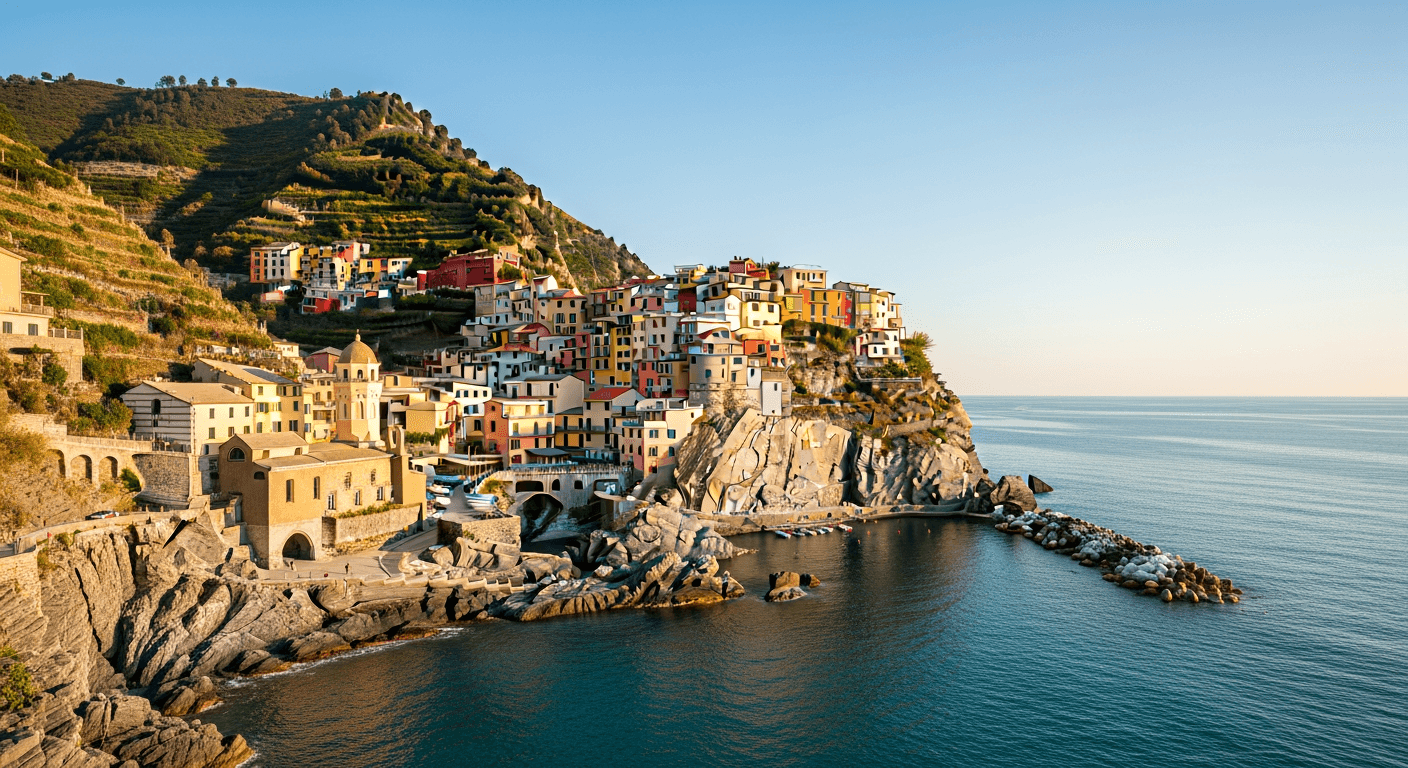


Many families dream of moving to Europe. They seek a better quality of life and rich culture. The idea of safety for your children is also a powerful draw. This dream is within your reach. A new life full of opportunity and experience awaits your family.
However, relocating to Europe in 2026 is a complex task. It involves more than just packing your bags. You will face a maze of visa rules, property laws, and school systems. Each country has its own set of challenges. This process can feel overwhelming for anyone.
This guide is your strategic map. We will break down the entire process for you. You will learn how to choose the right country with our unique 'Family Relocation Scorecard'. We will also help you navigate a property purchase. This guide will show you how to avoid costly mistakes in your first year abroad. Let's build your family's future in Europe with clarity and confidence.
The Big Decision: Ranking Europe's Best Countries for Families in 2026
Choosing a new country is the most important step in your journey. Many families put safety, education, and healthcare at the top of their list. These are vital factors for your family's well-being. The 2026 Quality of Life Index shows that countries like the Netherlands, Denmark, and Switzerland lead in public services and stability. They offer amazing environments for raising children. However, for a family moving from outside the EU, other factors are just as important. The path to legal residency and the ability to buy a home are critical. A country can have great schools, but if you cannot live and own property there, it is not a real option.

This is where traditional 'best places to live' lists often fall short. They don't account for the specific hurdles faced by relocating families. To solve this, we created the Family Relocation Scorecard. This tool provides a structured comparison of top European destinations. It scores each country on four pillars that matter most to you. These pillars are: Path to Residency, Property Market Accessibility, Family Life Quality, and an Overall Feasibility Score. This approach moves beyond general praise. It gives you actionable data to compare your options. It directly addresses the core concerns of families planning a major international move. Use this scorecard to see how your top choices stack up against each other based on what truly matters for a smooth transition.
The table below provides a clear, at-a-glance comparison. It helps you weigh the pros and cons of each nation. For example, Portugal scores high on residency and property affordability. This makes it a very attractive option. The Netherlands offers incredible family life but has a very difficult housing market. Germany presents a balanced option with a strong economy and great public services. Spain remains a top choice for lifestyle and its mature property market for foreign buyers. Sweden's family benefits are world-class, but housing shortages can be a major issue. This data will help you start a more focused and informed discussion about where your family will thrive.
| Country | Path to Residency (Visa & PR) | Property Market (Accessibility & Cost) | Family Life (Schools, Healthcare, Safety) | Overall Feasibility Score |
|---|---|---|---|---|
| Portugal | High: Favorable Digital Nomad & D7 visas with clear path to PR. | Medium: Affordable market but rising prices in Lisbon/Porto. Mortgages for expats are common. | High: Good quality of life, safe, but public schools can be a language barrier. | 8.5 / 10 |
| Netherlands | High: DAFT visa for US entrepreneurs is a strong option. English is widely spoken. | Low: Severe housing shortage and very high costs in major cities. | Very High: Excellent education, healthcare, and work-life balance. | 7.5 / 10 |
| Germany | Medium: EU Blue Card for skilled workers is a clear route. Strong economy. | Medium: High buyer costs (tax/fees). Renting is common. Mortgages require significant deposits. | Very High: Top-tier free public education and healthcare system. | 8.0 / 10 |
| Spain | Medium: Non-Lucrative Visa is popular. Golden Visa program has ended. | High: Mature market for foreign buyers, relatively affordable outside major hubs. | High: Great lifestyle and climate. Strong private healthcare network. | 8.0 / 10 |
| Sweden | Medium: Requires a work permit, clear path to PR after 4 years. | Low: Significant housing shortages and high costs in Stockholm/Gothenburg. | Very High: Unparalleled parental benefits (480 days paid leave) and free, high-quality schools. | 7.0 / 10 |
After reviewing the scorecard, you can see the trade-offs. No single country is perfect in every category. Your family's priorities will determine the best fit. If a simple residency process is your top concern, Portugal is a strong contender. If world-class public education is non-negotiable, Germany and Sweden stand out. By understanding these key differences, you can narrow your search. This allows you to focus your energy on the one or two countries that best match your family's unique needs and goals for a new life in Europe.
The First Hurdle: Visas and Your Family's Right to Reside
Before you can even think about buying a home, you need the legal right to live in Europe. This is the first and most important hurdle for any non-EU family. The visa process can seem daunting. There are many different types of permits, each with its own rules. It is essential to understand your options clearly. You must apply for the correct visa based on your personal situation. This includes your job, your income, and your plans for living in the country. The entire process of getting your documents can take several months. It is very important to start early. A delay in your visa application can delay your entire relocation plan.
The good news is that many European countries welcome skilled workers, entrepreneurs, and families. They have created specific visa paths to attract them. Most of these family-friendly visas allow you to include your spouse and dependent children on your application. This means your whole family can move together under a single process. You will need to provide extensive paperwork. This often includes proof of income, birth certificates, and marriage certificates. Each document may need to be officially translated and certified. Working with an immigration lawyer can make this process much smoother. They can ensure your application is complete and correct. Below, we explore the three most common routes for families moving to Europe.

The Remote Worker Route: Digital Nomad Visas
The rise of remote work has created a new opportunity for families. Many European countries now offer Digital Nomad Visas. Think of this visa as a special 'remote work permit'. It allows you to live in a European country while you work for a company based elsewhere. This is a perfect option for software developers, designers, writers, and other professionals who can work from anywhere. Countries like Portugal, Spain, and Greece have popular programs. They often come with attractive tax incentives for the first few years.
To qualify, you must prove a stable, sufficient income from a foreign source. Each country sets a minimum income threshold. This is to ensure you can support your family without taking a local job. For example, you might need to show a monthly income of €2,500 or more. This amount increases if you are bringing your family. These visas are usually granted for one year. They can often be renewed. After several years, this path can lead to permanent residency for your entire family. It is a flexible and popular route for modern professionals.
The Investor Route: Residency by Investment
Some countries offer residency to people who make a large investment. This is often called a 'Golden Visa'. You can think of it like buying a 'VIP pass' to live in a country. The most common way to do this is by purchasing property. This route is for families with significant financial resources. It provides a direct path to a residency permit. This permit allows you and your family to live, and sometimes work, in the country. It also grants you visa-free travel within the Schengen Area.
It is crucial to have up-to-date information for 2026. Spain's popular Golden Visa program, which was tied to property purchase, was ended in 2024. This is a major change that many old articles miss. However, other countries still offer these programs. Greece and Latvia, for example, continue to provide 'Residency by Investment' for a substantial real estate purchase. The investment amount is high, often several hundred thousand euros. This option is not for everyone. But for those who qualify, it offers one of the fastest and most certain paths to European residency.
The Employee Route: Work Permits & the EU Blue Card
If you have a job offer from a European company, you can apply for a work permit. This is a traditional and very common way to relocate. Your future employer will usually help you with the application process. For highly-skilled professionals, there is an even better option. The EU Blue Card is a special work and residency permit. It is available in many EU countries, including Germany and the Netherlands. It is designed to attract talented workers from outside the EU.
To be eligible for an EU Blue Card, you typically need a university degree and a binding job offer. The job must meet a minimum salary threshold. This threshold proves you are a 'highly-skilled' worker. The Blue Card offers many benefits. It provides a clear and often faster path to permanent residency. It also makes it easier for your family members to join you. They will also receive residency permits and may have the right to work. If you have in-demand skills and a job offer, the EU Blue Card is one of the most secure routes for your family's relocation.
Budgeting Your Move: The True Cost of Relocating and Buying in 2026
Understanding the financial side of your move is vital. Many people focus only on the cost of living. They compare prices for groceries and restaurants. This is a mistake. The biggest financial shock for most families comes from the high upfront costs in the first year. These 'settling costs' are often overlooked. They can add a huge amount to your budget. Research shows that expat families often spend 15% to 25% more in their first year abroad than locals do. This is due to one-time expenses that you must plan for.

For example, when you rent an apartment, landlords often ask for a larger deposit from foreigners. You may not have a local credit history or a local job contract yet. This makes you a higher risk. Expect to pay a deposit of two or three months' rent. If you plan to buy a property, the costs are even higher. Property transfer taxes, also known as stamp duty, can be a major expense. This tax can range from 2% to over 10% of the home's purchase price. You also have legal fees, notary fees, and mortgage fees. These costs add up quickly. A clear budget that separates one-time costs from monthly expenses is essential for a stress-free move.
The table below shows a sample budget for two popular but very different cities. It compares an affordable city like Lisbon with an expensive one like Amsterdam. This will help you see how costs can vary across Europe. Use these numbers as a starting point for your own detailed budget. Remember to also factor in costs like flights, shipping your belongings, and buying furniture for your new home. Planning for these expenses will prevent financial stress and allow you to focus on settling into your new life.
| Expense Category | Lisbon, Portugal (Affordable) | Amsterdam, Netherlands (Expensive) | Notes |
|---|---|---|---|
| Avg. Rent (3-bed apt) | €2,000 - €2,800 / month | €2,700 - €3,500 / month | Prices are for city center/desirable family neighborhoods. |
| Rental Deposit (One-Time) | €4,000 - €8,400 (2-3 months) | €8,100 - €10,500 (3 months) | Often higher for non-residents without a local credit history. |
| Int. School Tuition (per child) | €8,000 - €15,000 / year | €15,000 - €25,000 / year | Varies widely by school reputation and grade level. |
| Property Transfer Tax | 6.5% (IMT) | 2% (plus 10.4% for investment properties) | A major closing cost when buying property. |
| Monthly Family Costs (ex-rent) | €2,000 - €2,400 | €2,800 - €3,200 | Includes groceries, transport, utilities, basic leisure. |
The Property Search: A Step-by-Step Guide for Foreign Buyers
Finding and buying a family home in a new country is an exciting process. But it follows a different set of rules than you might be used to. It is not wise to try to navigate this process alone. You need a team of local professionals who can guide you. It is highly recommended to work with a real estate agent who understands the needs of expats. A bilingual agent can bridge language gaps and cultural differences. They can also connect you with other key experts, like lawyers and mortgage brokers. Following a clear, sequential process will protect you from common pitfalls. This step-by-step guide will walk you through the journey, from initial financial planning to getting the keys to your new European home.

Step 1: Financial Groundwork
Before you start looking at properties, you must sort out your finances. The first step is to talk to a mortgage broker. It is a common myth that getting a mortgage in Europe is easy for foreigners. The reality is much different. Lenders have stricter rules for non-resident applicants. You will likely face higher interest rates than local buyers. You will also need a much larger deposit. A deposit of 20% of the property value is standard in many countries. Some banks may ask for even more. Getting pre-approved for a mortgage gives you a clear budget. It also shows sellers that you are a serious buyer. This financial groundwork is the foundation of a successful property search.
Step 2: Assemble Your Team
You cannot do this alone. You need a team of trusted advisors in your chosen country. Your team should include three key people. First, a local, bilingual real estate agent. They will help you find properties that match your family's needs. Second, an independent real estate lawyer. Their job is to protect your interests, not the seller's. They will review all contracts and check for any legal issues with the property. Third, a mortgage broker who specializes in expat finance. They know which banks are more likely to lend to foreigners. The expertise of this team is crucial for navigating a foreign market. They will save you time, money, and a lot of stress.
Step 3: The Search & 'Immersion Trip'
Your property search will start online. You can browse listings to get a feel for the market. However, you cannot buy a home based on pictures alone. You must plan an extended visit to your target city. This is your 'immersion trip'. Do not stay in a hotel. Instead, rent a short-term apartment in a neighborhood you are considering. Live like a local for a few weeks. Test the commute to the international school. Find the local parks and grocery stores. Experience the daily lifestyle. This trip will confirm if the area is the right fit for your family. It is a small investment that prevents a very large and costly mistake.
Step 4: Making an Offer & The Preliminary Contract
Once you find the perfect home, it is time to make an offer. Your real estate agent will help you negotiate a fair price. After the seller accepts your offer, you will sign a preliminary contract. This agreement reserves the property for you. It takes it off the market while the legal checks are done. At this stage, you will typically pay a deposit. This is usually around 10% of the purchase price. It is very important that your lawyer reviews this contract before you sign it. This document is legally binding. The deposit is often non-refundable if you back out of the deal without a valid legal reason.
Step 5: The Notary & Final Deed
In many European countries, a special legal professional called a Notary plays a key role. A Notary is like a neutral referee in the property transaction. They are a public official appointed by the state. They do not represent the buyer or the seller. Their job is to ensure the final sale is legal and official. The Notary drafts the final deed of sale. This is called the 'escritura' in Spain or 'acte de vente' in France. They verify the identities of the buyer and seller. They also confirm that all taxes are declared and paid correctly. This process protects both sides and gives the transaction its official legal status.
Step 6: Registration and Taxes
Signing the final deed with the Notary is not the last step. After the sale is complete, the property must be officially registered in your name. Your lawyer will handle this process. They will file the deed with the local Land Registry. This creates a public record that you are the new legal owner. At the same time, you must pay the property transfer tax, or stamp duty. This is a significant closing cost. The amount varies greatly by country, from as low as 2% to over 10% of the property value. Your lawyer will ensure all taxes are paid on time. Once the property is registered and taxes are paid, you are officially and legally the owner of your new European home.
Settling In: Schools, Healthcare, and Integrating Your Family
The logistics of visas and property are only part of the move. The well-being of your family is the most important thing. Addressing your children's education and your family's health is a top priority. A smooth transition depends on feeling safe, healthy, and connected in your new home. Many European countries are known for their excellent public services. Nations like Germany, Finland, and Sweden have high-quality public school systems that are free to residents. This can be a wonderful option if your children are young and can adapt to a new language.
However, many expat families choose international schools. This helps ease the transition for their children. They can continue their education in a familiar language and curriculum. In terms of healthcare, it is vital to understand the rules. Your visa type will determine when you become eligible for the public healthcare system. Until then, you will need comprehensive private health insurance. Planning for these life essentials is just as important as planning your budget. A happy family is the true measure of a successful relocation. Taking care of these needs will help you build a strong foundation for your new life.

Choosing the Right School
Choosing a school is a huge decision. Start your research early, as popular schools have long waiting lists. Consider the curriculum. Do you prefer the International Baccalaureate (IB), an American system, or a British one? Think about the language of instruction. Also, consider the school's location. A great school is not so great if it means a very long daily commute for your kids. Look at school fees carefully, as they vary widely. The best way to get real feedback is to connect with other parents. Join online expat forums and parent groups for your target city. Ask for candid reviews and experiences. This insider information is more valuable than any school brochure.
Once you have a shortlist, schedule visits or virtual tours. Talk to the admissions staff and teachers. Get a feel for the school's culture and community. Does it feel welcoming? Do the students seem happy? A school is more than just academics. It is a community where your children will spend a lot of their time. Finding the right fit is key to their happiness and successful adjustment to a new country. This choice will shape their experience of your new life abroad.
Navigating European Healthcare
European healthcare systems are generally excellent. However, access for new arrivals can be complex. You must research the rules for your specific visa type. In some cases, you may be eligible for the public healthcare system immediately. In other cases, there might be a waiting period. During this time, you must have private health insurance. In fact, proof of comprehensive health coverage is often a requirement for the visa application itself. Do not rely on a cheap travel insurance policy. You need a proper plan that covers your entire family for all medical needs.
Budget for this expense. A good private health insurance plan for a family of four can cost between €400 and €600 per month. Once you are in the country, register with a local doctor or family practice as soon as possible. Having a primary care physician is important for routine check-ups and minor illnesses. Understanding how to access both routine and emergency care will give you peace of mind. It ensures your family's health is protected from day one.
Building Your New Community
Do not underestimate the emotional side of moving. The first few months can be challenging. You are in a new culture, away from friends and family. It is vital to actively build a new social network. Look for local parent groups, sports clubs, or hobby classes. Join expat networks on social media. These groups are a great resource for practical advice and making new friends. Make an effort to attend community events. Go to the local market, visit the library, and spend time in neighborhood parks. These small actions help you feel connected to your new home.
Give your family time to adjust. Experts suggest waiting at least six months before planning a long trip back home. This allows you to fully immerse yourselves in the new environment without the constant pull of your old life. Be patient with yourselves and your children. There will be good days and bad days. Celebrate small victories, like ordering coffee in the local language. Building a new community takes time and effort, but it is the key to turning a foreign country into a true home.
Making Your Final Decision in 2026
A successful family relocation to Europe begins with smart, structured research. It does not come from random online searches that leave you feeling more confused. The 'best' country for your family is a personal choice. It depends on balancing your unique priorities across legal, financial, and lifestyle factors. There is no one-size-fits-all answer. Your perfect fit might be different from another family's.

Use the tools in this guide to create your personal plan. The Relocation Scorecard helps you compare countries objectively. The budget table gives you a realistic view of the costs involved. The key to a smooth transition is careful planning. It requires getting professional advice from lawyers and real estate agents. It also means developing a deep understanding of your chosen country's culture and systems. Do your homework, trust your team, and be prepared for the adventure.
The dream of a European life for your family is achievable. With the right information and a clear strategy, you can make it a reality. Your journey starts not with packing a suitcase, but with this informed first step. The rich experiences, cultural depth, and new opportunities of Europe are waiting for you. It is time to start planning.