


A €300,000 search in Estonia can lead to a Tallinn apartment or a house near Pärnu. The choice is about more than floor area. Location, condition, and the costs beyond the asking price can change which home fits your budget.
For 300k euro homes in Estonia, first decide whether €300,000 is your listing-price ceiling or everything you can spend. Then compare actual offers by home type and location. The examples below are 2026 asking prices, followed by a way to assess European alternatives and prepare a useful shortlist.
Article summary
- A €300,000 asking-price cap can cover a Tallinn apartment or Pärnu-area house; choose by intended use, condition, and total costs.
- 2026 listings included an 82.8 m² Tallinn apartment at €265,000 and Pärnu-area houses priced €250,000–€299,000.
- If €300,000 is your full cash limit, search below it and reserve funds for transaction, inspection, repairs, and moving.
Set a realistic €300,000 budget for Estonia
Separate the asking-price cap from your cash limit
A €300,000 ceiling can match different kinds of homes in Estonia, but it does not describe the amount needed to buy and occupy one. If that sum is your full cash limit, a home advertised at the limit leaves nothing for the other costs. Search below it instead, with enough room for costs you can estimate before making an offer.
Start with two figures: the most you would pay for the property and the money reserved for everything else. Ask for a written estimate of transaction and registry costs. Keep financing, an inspection, urgent repairs, furnishing, and moving in separate lines. A single standard percentage would hide the differences between properties and buyers.
Consider an illustration. If €300,000 is your total available cash, set a lower search cap until you have estimates for the purchase costs. If €300,000 is only the asking-price cap and you have a separate reserve, an offer near the limit may be workable. Neither approach tells you whether the home itself is worth its price.
If you plan to work from Estonia, add your intended use to the budget discussion. A remote worker property guide can help you list questions about financing and the buying process. Treat those questions separately from your right to live or work in the country.
Read listing averages as a starting point
Kinnisvara24's 2026 for-sale pages showed 7,524 apartment offers across Estonia. Their average asking price was about €170,000, with an average area of about 58 m². Its Tallinn page showed 3,345 offers, an average asking price of about €247,945, and an average area of about 61 m². These are averages of advertised apartments, not prices paid by buyers.
The figures suggest why a national search can look more generous than a Tallinn-only search. They cannot tell you whether an individual apartment has usable rooms, sound heating, or manageable building charges. Nor does an average describe the particular district you want. Use it to decide where to look next, then judge properties one by one.
For an initial search, European home listings can help you organize locations alongside local portals. Record each property's asking price, area, rooms, condition, and listing reference. That makes it easier to spot duplicates and ask whether an offer is still active.
An average is less useful if your needs are narrow. Someone who needs step-free access or a particular heating setup should filter for those needs first. A cheaper apartment that fails a firm requirement is not a budget saving. Keep a small shortlist rather than treating every offer below the ceiling as a candidate.
Use sale-price movement for context, not selection
Statistics Estonia reported a 5.9% annual rise in its dwelling price index for the first quarter of 2026. Apartment prices rose 6.9%, while house prices rose 3.9%. The release, published on 19 June 2026, describes movement in transaction prices. It does not set the asking price of the home you might buy.
That distinction matters when an attractive listing seems inexpensive beside a market trend. The index tracks completed sales over time. A portal shows what sellers are asking for particular homes. For your decision, inspect the actual offer, ask what it includes, and compare it with other homes that meet the same needs.
If Estonia is one of several countries on your list, separate the price of a home from the cash needed to acquire it. A European buying budget comparison is a useful prompt for listing cost categories before you request property-specific estimates.
Keep your search cap flexible until those estimates arrive. If an apartment needs immediate work, its lower asking price may leave you with less usable money than a better-kept alternative. Conversely, paying more for a home you can occupy without urgent repairs may suit a buyer with limited time after moving. Put the likely work beside the asking price, not in a separate wish list.
Compare homes around the €300,000 mark

Judge Tallinn apartments by more than room count
Tallinn buyers can find apartments around this budget, but district, layout, area, and condition change what they get. One Kinnisvara24 listing viewed in 2026 advertised a four-room, 82.8 m² apartment in Pelgulinn for €265,000. That is a concrete example of a home below the asking-price ceiling, rather than a promise that every Tallinn district offers the same choice.
Start with the floor plan. A room count alone does not tell you how much space works as a bedroom or home office. Then look at the building as well as the apartment. Ask about heating, energy information, regular building charges, planned work, storage, and parking if those affect how you would live there.
For a remote viewing, request a continuous walk-through that shows the entrance, every room, windows, and shared areas. Ask the agent to show any feature you could not assess from photos. A bright listing photograph may be accurate yet still leave out a cramped passage or worn stairwell.
Compare two Tallinn candidates against your daily route and non-negotiable space needs. A smaller apartment near the services you use may be a better fit than more floor area elsewhere. If a house and private outdoor space are essential, a Tallinn apartment is the wrong benchmark, even when its price fits.
Check what a Pärnu-area house includes
House listings show a different use of the same budget. A Kinnisvara24 offer viewed in 2026 advertised a five-room, 112.7 m² house at Piiri tn 3a in Pärnu for €250,000. Another advertised a five-room, 119.8 m² house in Papsaare for €299,000. The Papsaare listing placed it about 6 km from central Pärnu.
Yes, a €300,000 asking-price ceiling can include houses in Estonia, as the Pärnu-area offers illustrate. More indoor space does not settle the choice. Ask what land comes with each house, how you reach the property, and which repairs or upkeep might become your responsibility. Check the stated area and boundaries against the property documents before committing.
The two house prices also leave different amounts below a €300,000 asking-price cap. That difference is useful only after you understand condition and the costs of occupancy. A lower price can lose its appeal if essential work consumes the room you expected to keep for moving.
Think about distance in terms of your routine, not a map label. Someone making frequent trips into Pärnu should ask how they would travel at the times they need to go. Someone seeking more space may accept that trip. Neither buyer should assume that a house outside the centre and an apartment in Tallinn offer comparable day-to-day living.
Search Tartu and smaller areas with the same rules
If neither example fits, widen the search to Tartu or smaller areas without lowering your standards for information. Use the same maximum asking price, minimum useful area, property type, and condition requirements. That gives you a shortlist based on homes you could occupy, rather than a collection of low prices.
Create a simple record for each candidate. Include the district or settlement, room layout, heating description, energy information, recurring charges, and any work mentioned in the listing. Keep a link or reference to the original offer. If the same home appears elsewhere with different details, ask the listing agent to explain them before arranging travel.
A useful search description might ask for a home within your price cap, with enough separate rooms for sleeping and work, and no immediate major repairs. Tell agents which of those conditions you can relax. A fixed room count can exclude a well-laid-out home, while a floor-area minimum alone can admit one with awkward spaces.
Shortlist properties only after checking whether the advertised type and location match your intended use. For a permanent move, access to the services you rely on deserves as much attention as the purchase price. For an occasional home, upkeep while you are away may weigh more heavily. These priorities help explain why the largest property below the ceiling need not be the best choice.
Compare Estonia with familiar European markets on equal terms
Keep the property brief consistent across countries
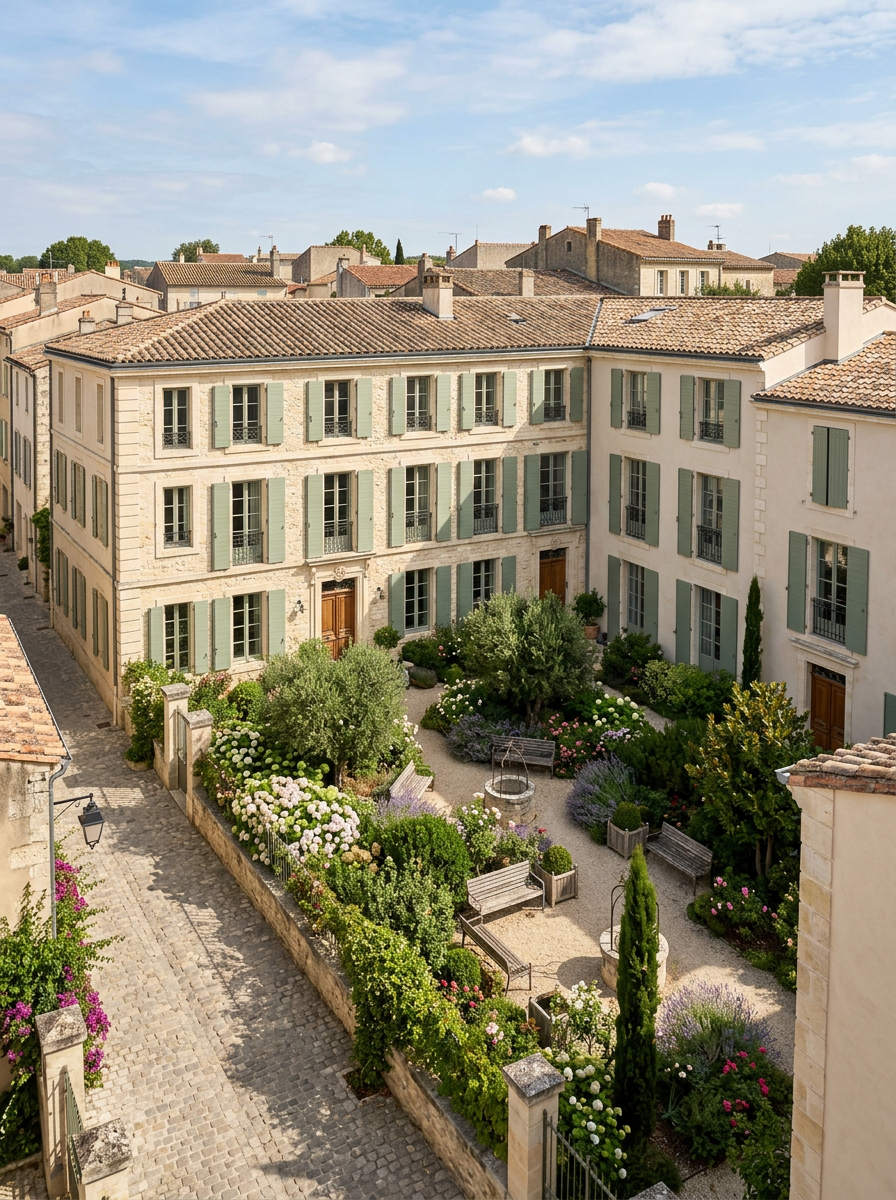
A €300,000 budget becomes meaningful across borders only when the homes answer roughly the same need. Comparing an urban apartment in Estonia with a rural house in another country tells you about two different lifestyles. Start by choosing a home type, usable floor area, condition, and location setting. Apply those criteria to each market before weighing prices.
For example, a buyer seeking a full-time city home could compare apartments with separate work space and similar access to daily services. Someone looking for a holiday house should run a different comparison. Mixing those searches makes one country seem to offer more for the money when the location or upkeep differs.
Write down what each asking price includes. Furnishings, parking, storage, and land can affect a decision, but a listing may leave their status unclear. Ask the agent rather than assigning them a value yourself. Compare the condition of each property as carefully as its advertised area, since repair work draws on the same overall budget.
Use one familiar market as a reference before expanding the search. That keeps the shortlist small enough to assess properly. An alternative country is a better fit when it meets your location and home requirements with fewer compromises. The point is to choose a home you can use, not to declare a national winner.
Read national price changes for what they measure
Eurostat reported annual house-price-index changes for the second quarter of 2026 in its 1 October 2026 release. Estonia recorded a 5.8% rise, France a 0.8% fall, Italy a 4.0% rise, Spain a 12.1% rise, and Portugal a 16.5% rise. These figures describe changes over time, not the homes available at a particular budget.
A faster-rising index does not tell you whether a suitable apartment costs more than one elsewhere. Likewise, a fall does not identify a property you would want to buy. For buying power, return to individual offers and apply your shared property brief. Keep a separate column in your own notes for purchase and move-in costs.
Suppose you find two homes at the same asking price. One has the rooms you need but requires work before moving in. The other is ready for use but farther from your preferred services. A national growth rate resolves neither trade-off. Ask for property details and cost estimates, then decide which compromise you can accept.
National figures are most helpful when they stop you from treating one appealing listing as the whole market. They provide context for a conversation, while the shortlist supports a purchase decision. If your priority is a specific neighborhood or coast, narrow the location before comparing prices. That choice will shape what your budget can buy.
Use cross-market search to find candidates, not answers
One Place describes search coverage for Estonia, France, Italy, Spain, and Portugal. Its site says users can describe a home in natural language and refine results through likes and dislikes. It also describes free browsing and listing, while onboarding currently goes through an early-access waitlist. That makes it a possible discovery route, not guaranteed immediate access.
Natural-language search is useful when rigid filters miss a combination of needs. You might describe a modest city apartment with a separate work room and easy access to services. Still, read the original listing. A search result cannot establish that a property remains available or that its description answers every practical question.
Keep the same written brief whether you use a cross-market tool or country-specific portals. Save promising offers with their location, area, condition, and price. Then ask agents the same questions in each market. This reduces the risk of favoring whichever listing happens to have better photographs or a fuller translation.
A portal may be the better fit if you already know the exact Estonian district and want to inspect local offers closely. Cross-market discovery is more useful earlier, while you are deciding where to focus. Neither replaces a conversation about a specific property, its costs, and whether it meets your intended use.
Turn your shortlist into a sound purchase inquiry
Price the purchase and move-in work separately
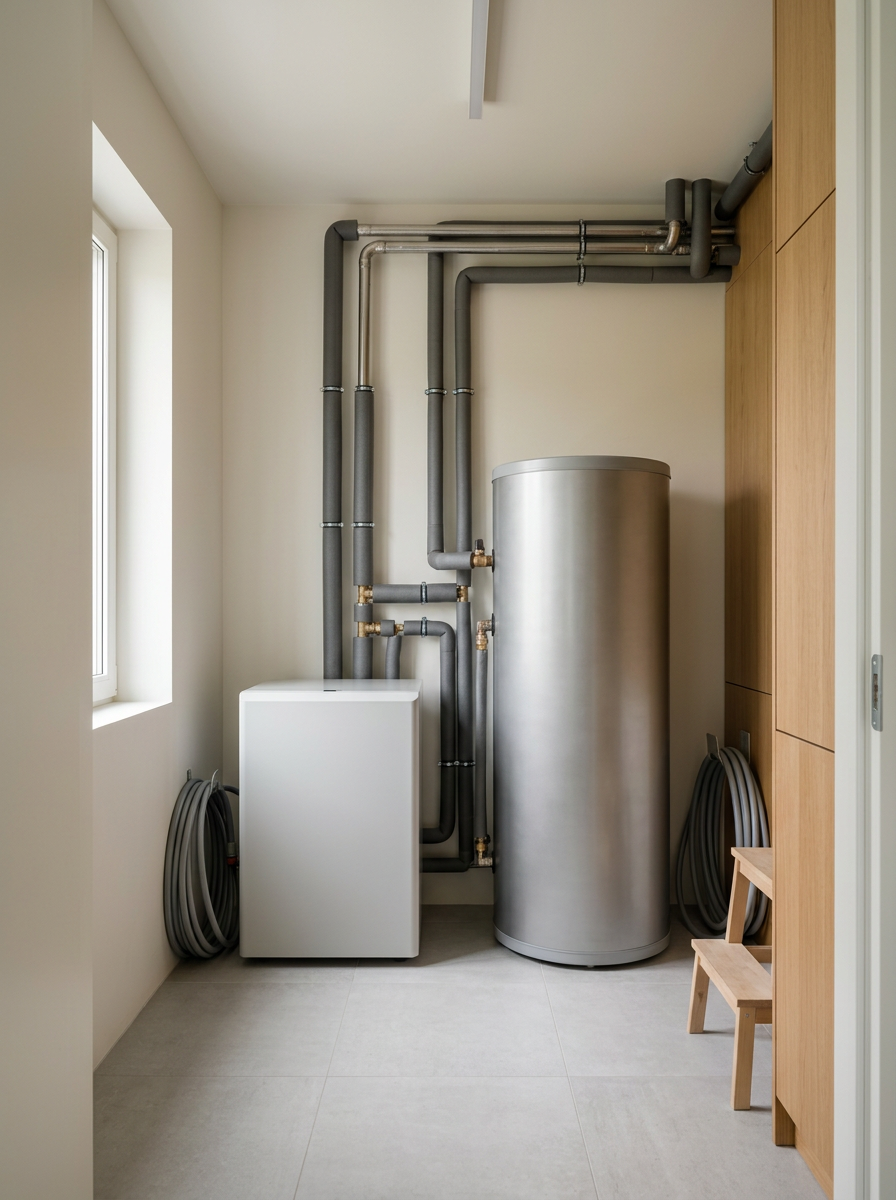
Once a property looks promising, replace broad budget guesses with estimates tied to that purchase. The Multilaw Estonia real-estate guide and Fondia's buying-and-selling guide discuss notary and state-registration costs. Ask for a written estimate for the transaction you are considering. Keep it separate from the home's asking price so the amount still available for moving stays clear.
Financing has its own questions. If you need a mortgage, ask a lender what terms it could offer you before treating a listing as affordable. Set aside space in the budget for an inspection and any essential work it identifies. Furnishing and moving belong there too, especially if you cannot use the home immediately.
Use a simple running total. Put the proposed purchase price at the top, then add each written estimate and each repair you would need before occupying the home. Where a cost depends on an inspection, leave room for it rather than pretending it is zero. This makes two similarly priced properties easier to judge.
If the total strains your limit, reduce the offer you can make or choose another home. A cheaper listing may be the better fit when it leaves enough money for necessary work. A more expensive home may suit you better if it needs less immediate spending. Let the full plan decide, not the advertised number alone.
Check buyer eligibility and the property itself
Many foreign nationals can buy residential property in Estonia, but the answer for you depends on your buyer category and the particular property. Ask an Estonian notary or qualified local adviser to check your position before signing. Buying a home should not be treated as an answer to separate questions about living in the country.
Ask who owns the property and what land or shared areas are included. Request documents that support the advertised area and intended use. For an apartment, ask about recurring charges and planned building work. For a house, pay attention to the building's condition, heating, energy information, access, and any repairs you would need to make.
Remote buyers need a way to connect documents with what they see. Request a live viewing and ask the agent to show the spaces or features that matter to you. Send follow-up questions in writing so answers about included items or known work are clear. Arrange an appropriate inspection before committing to a property you have not assessed in person.
Do not let a polished description stand in for those checks. A property's photos may show its rooms well but say little about ownership details or future building expenses. The local professional can address the purchase documents; an inspection can address condition. Both checks serve a different purpose from finding a listing you like.
Send agents a shortlist they can answer
Write one short brief before contacting agents. State your preferred locations, property type, minimum useful area, room needs, acceptable condition, and asking-price cap. Say whether that cap is your whole available budget. A precise brief makes it easier to ask about suitable alternatives when an advertised home no longer fits.
Work through the same checks for each finalist. Keep the answers with the listing reference so you can compare properties without relying on memory.
- Decide whether €300,000 is the asking-price cap or your full cash limit.
- Request a written estimate of transaction and registry costs.
- Ask the agent about availability, condition, and what the price includes.
- Have a local professional check your buyer position and property documents.
- Compare finalists with homes meeting the same brief in one familiar market.
In your first message, name the property and ask the agent to confirm that it is available. Request the floor plan, relevant cost details, and answers to any condition questions raised by the listing. If those answers meet your needs, arrange a viewing. Otherwise, keep looking rather than relaxing a requirement without a reason.
Your next decision is which homes merit that inquiry. Choose candidates whose location and layout work for your intended use, with enough money left to complete the purchase and move in. Send the same brief for an Estonian finalist and a comparable home in your familiar market. The replies will give you a firmer basis for deciding where to view.


