

Many UK buyers dream of owning a home in Europe. They imagine sunny days and a relaxed lifestyle. But the thought of renovations can be a nightmare. Finding builders, managing budgets, and dealing with delays is stressful. This is especially true when you are in a different country.
Turnkey homes offer a simple solution. These properties are move-in ready. You can start your new life or earn rental income right away. While Brexit has changed some rules for UK citizens, buying property is still very possible. You just need to know the new process for visas and longer stays.
This guide is for the time-poor buyer who values convenience. We will explain what a turnkey home really is. We will compare top European destinations for 2026. You will learn about the true costs and how to find the perfect home without the hassle. Let's make your European property dream a reality.
What is a "Turnkey" Home in the European Market?
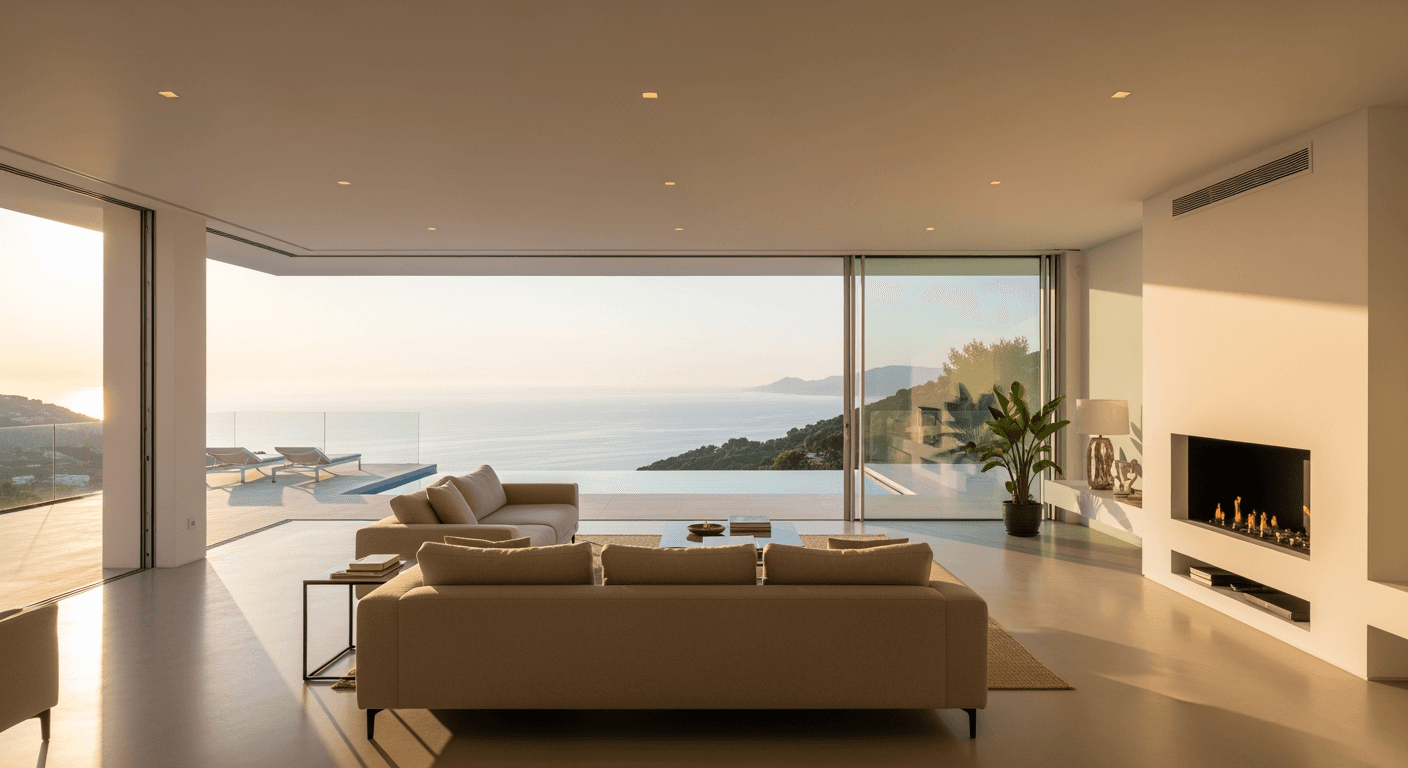
A turnkey home is a property that is ready for immediate use. You can move in the day you get the keys. There is no need for major repairs or updates. The term comes from the idea that you just need to "turn the key" and start living. This concept is very appealing to buyers who want to avoid the stress and uncertainty of a renovation project. These homes are perfect for those seeking a holiday home, a rental investment, or a new permanent residence without any delay. The property should be in excellent condition, with all essential systems like plumbing and electrics fully functional and modern.

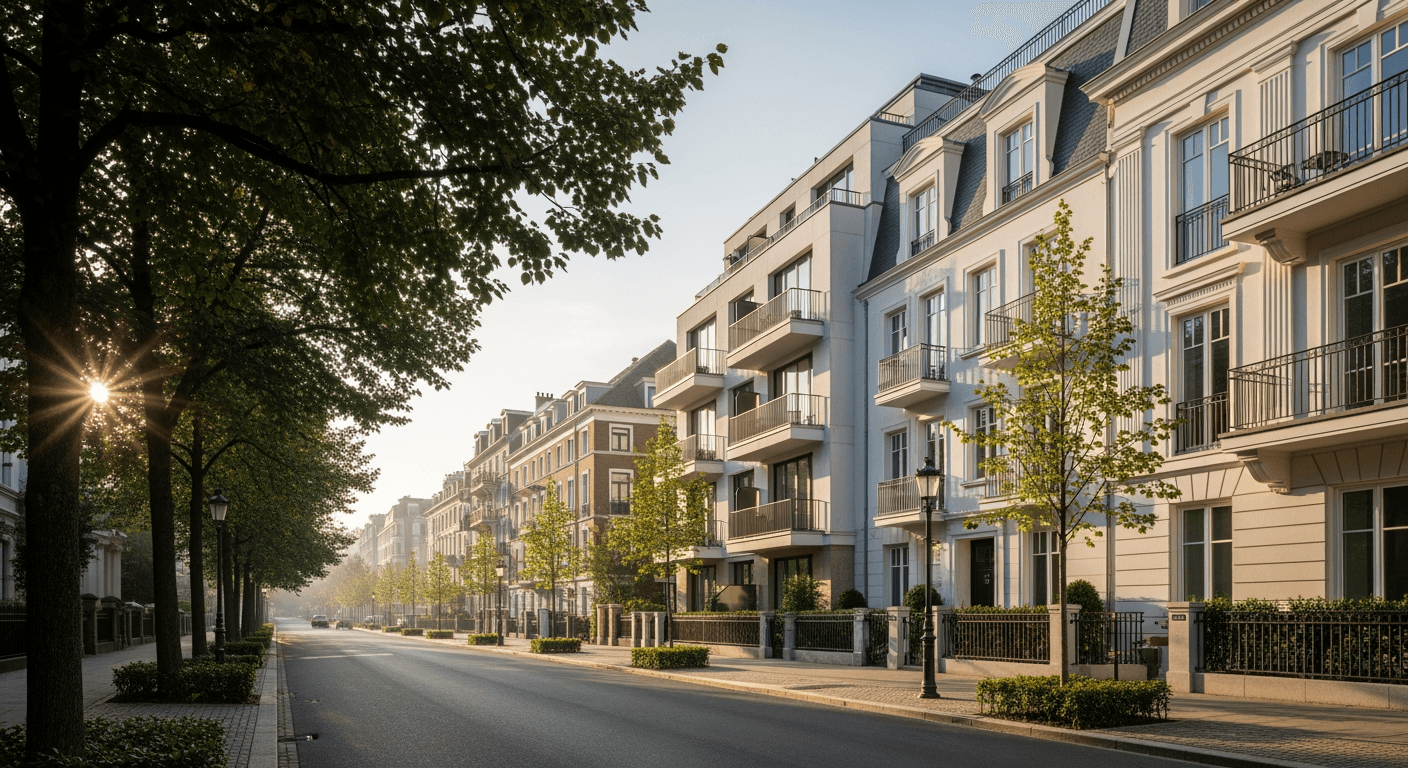
These properties come in several forms. It could be a brand-new apartment from a developer. It might be an older house that has been completely renovated to a high standard. Sometimes, a turnkey property is even sold fully furnished. This means it includes everything from sofas and beds to kitchen appliances and cutlery. For an investor, this means you can start generating rental income from the very first day. For a holiday home buyer, it means your vacation starts the moment you arrive. The key is that all the hard work has already been done for you.
However, you must be careful. The term "turnkey" can sometimes be used loosely by sellers. A property might be described as turnkey but may still need cosmetic work or minor repairs. It is vital to perform thorough due diligence. Think of it like buying a car. A true turnkey home is like a brand-new car from the showroom. It is perfect and ready to drive. A fixer-upper is like a classic car that needs restoration. It is cheaper at first but requires a lot of time, effort, and money. Some sellers might present a car with a quick wash and polish as 'ready to go', but the engine might need work. Always get an independent survey to ensure the property meets your expectations of a move-in ready home.
The main trade-off with a turnkey home is cost versus convenience. You pay a higher price for the finished product. This premium covers the cost of the construction or renovation, the materials, and the convenience of not having to manage the project yourself. For many busy professionals, retirees, or overseas investors, this premium is a worthwhile investment. It provides peace of mind and cost certainty, which are hard to achieve with a renovation project abroad. You know your total upfront cost, with no surprise bills from builders down the line.
The Pros and Cons: Why Choose Turnkey in 2026?
Choosing a turnkey property is a major decision. It offers incredible benefits but also has some drawbacks. Understanding both sides helps you decide if this path is right for your goals. For many UK buyers looking at the European market, the simplicity of a move-in ready home is a huge draw. It removes many of the unknowns of buying abroad. But this simplicity comes at a price. It is important to weigh these factors carefully against your budget, timeline, and personal preferences before you start your property search. Let's break down the key advantages and disadvantages you should consider in 2026.

Here are the main benefits of choosing a turnkey home:
- Immediate Use & Income: This is the biggest advantage. You can use your holiday home from the moment the sale is complete. If it is an investment, you can place tenants immediately. This quick turnaround means you start getting a return on your investment much faster. There are no months spent waiting for construction to finish.
- Predictable Costs: With a turnkey property, the purchase price is your main outlay. You avoid the risk of renovation budgets spiraling out of control. Fixer-uppers often have hidden problems that lead to unexpected expenses. A turnkey home gives you financial certainty, which is comforting when buying in a foreign currency.
- Easier Financing: Banks and mortgage lenders in Europe often prefer new or fully renovated homes. They see these properties as a lower-risk investment. The property's value is clear and stable. This can make it easier to secure a mortgage compared to an old property that needs significant work.
- Modern Standards: Turnkey homes, especially new builds, meet the latest construction and energy efficiency standards. This is very important in 2026 with rising energy costs across Europe. A home with a high energy performance rating will be cheaper to run, more comfortable to live in, and a better long-term asset.
On the other hand, there are some potential downsides:
- Higher Purchase Price: Convenience has a price. Turnkey homes cost more than fixer-uppers of a similar size and location. You are paying a premium for the completed work and peace of mind. This higher initial cost can be a barrier for some buyers or may mean choosing a smaller property or a different area.
- Limited Customisation: The design, layout, and finishes are already chosen. While often stylish and modern, they might not be to your exact personal taste. If you love to put your own stamp on a property, a turnkey home offers less opportunity for this. You get what you see, with little room for changes.
- Lower Equity Growth Potential: A large part of the profit in property can come from adding value through renovation. This is often called "sweat equity." When you buy a turnkey home, you are buying it at its peak current value. This means there is less scope to increase its worth through your own efforts in the short term.
Ultimately, the choice depends on your priorities. If your main goal is a hassle-free experience, predictable costs, and immediate enjoyment, a turnkey home is an excellent option. If you have a tight budget, enjoy renovation projects, and want to maximise your potential equity gain, a fixer-upper might be a better fit.
2026 Market Showdown: Spain vs. Portugal vs. Italy for UK Turnkey Buyers
For UK buyers seeking sun, culture, and a great lifestyle, three countries consistently top the list: Spain, Portugal, and Italy. Each offers a unique proposition for those looking for turnkey homes for sale in Europe. Your choice will depend on your budget, lifestyle goals, and investment strategy. Spain offers a huge, familiar market. Portugal is known for its high-growth and trendy appeal. Italy provides deep cultural roots and pockets of amazing value. Understanding the key differences in their 2026 property markets is crucial for making an informed decision. This direct comparison will help you focus your search.

| Feature | Spain | Portugal | Italy |
|---|---|---|---|
| Market Vibe | Mature, large market with vast choice. Dominated by UK buyers in coastal areas. | High-growth, trendy market. More expensive on average in prime spots. | Culturally rich, diverse market with pockets of affordability, especially inland. |
| Average Price/m² (2025/26 Data) | €2,438/m² (as of mid-2025) | €2,898/m² (most expensive of the three as of mid-2025) | €1,828/m² (most affordable of the three as of mid-2025) |
| Typical Turnkey Availability | High, especially new-build apartments and villas on the Costas. | Good, with many new developments in the Algarve and around Lisbon. | Varies greatly. Higher in tourist lakes and some coastal areas, lower for renovated rural homes. |
| Post-Brexit Visa Friendliness | Popular Non-Lucrative Visa for retirees/those with passive income. Golden Visa was abolished in 2025. | Popular D7 (passive income) and Digital Nomad visas. Golden Visa real estate option is heavily restricted. | Elective Residence Visa available for those with sufficient foreign income. |
| Total Buying Costs (on top of price) | 8% - 13% | 8% - 10% | 10% - 15% |
Spain remains a favorite for UK buyers for good reason. Its large and mature property market, especially along the Costa del Sol and Costa Blanca, offers a huge selection of turnkey properties. New build developments are common, providing modern apartments and villas with pools and other amenities. The infrastructure is excellent, and large expat communities make it easy to settle in. For those wanting to stay longer than 90 days, Spain's Non-Lucrative Visa is a very popular and well-trodden path for retirees and those with passive income. While its Golden Visa program ended in 2025, the existing visa routes are still very accessible. Be prepared for total buying costs of 8% to 13% on top of the purchase price, largely due to the Property Transfer Tax (ITP).
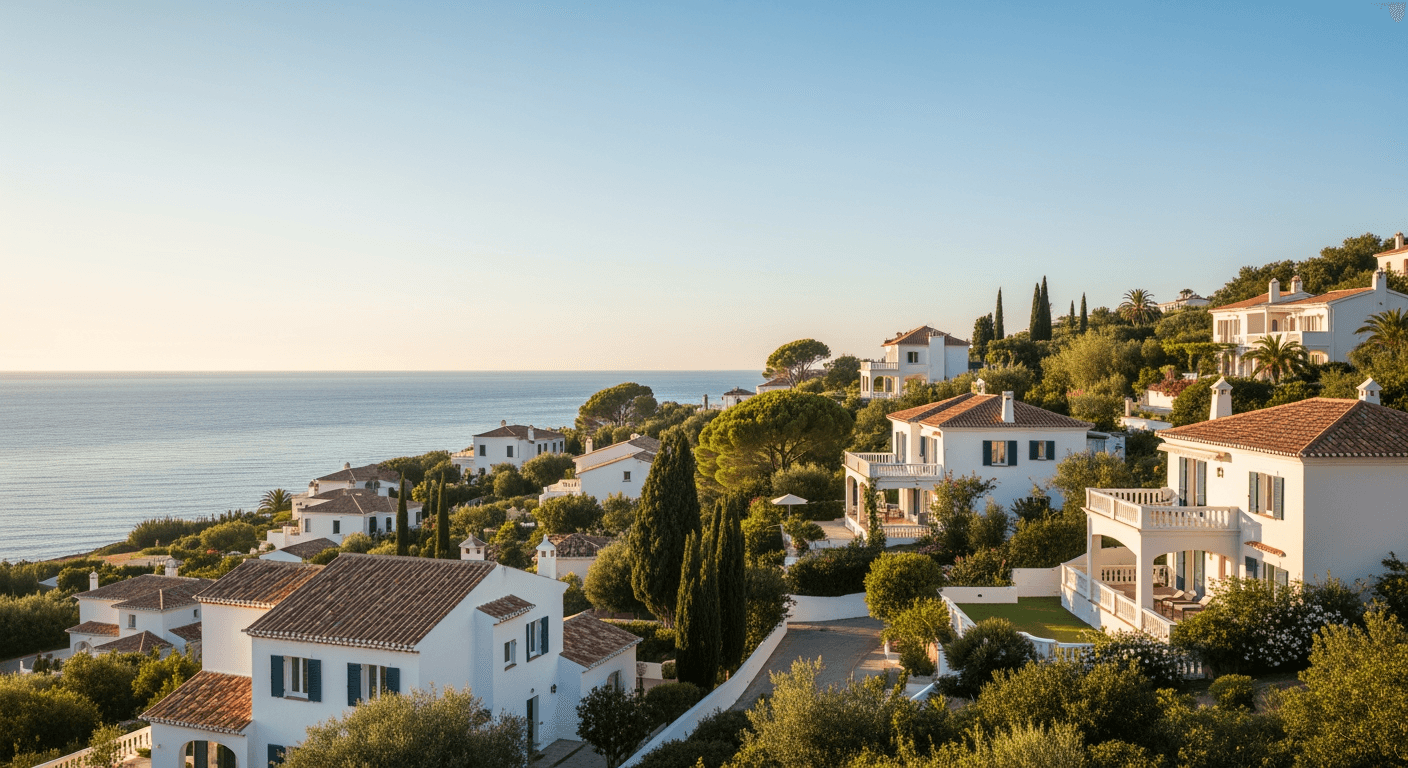
Portugal has become increasingly trendy and is seen as a high-growth market. Areas like the Algarve, Lisbon, and Porto attract significant investment. This has led to a surge in high-quality new developments and beautifully renovated properties. As a result, average prices in prime areas are now higher than in Spain. Portugal offers the popular D7 visa for those with passive income and a Digital Nomad visa, making it attractive for a range of buyers. Its Golden Visa program has been heavily restricted, removing the direct real estate investment option. Buying costs are slightly lower than in Spain, typically ranging from 8% to 10%. The country's appeal lies in its beautiful coastline, friendly culture, and strong rental yields in tourist hotspots.
Italy offers unmatched cultural richness and regional diversity. It is also the most affordable of the three on average, though prices vary hugely. Prime spots like Lake Como or the Amalfi Coast are very expensive. However, regions like Puglia, Abruzzo, and Sicily offer incredible value. The availability of true turnkey properties can be more varied. While new developments exist in tourist areas, many desirable properties are older homes that have been renovated. Finding a high-quality renovation is key. For long stays, Italy's Elective Residence Visa is available for those who can prove sufficient financial means. The buying process can be more complex, and total costs are the highest of the three, ranging from 10% to 15%. Italy is for the buyer who prioritizes culture, food, and a unique lifestyle.
The Post-Brexit Reality: Visas, Taxes, and Hidden Costs in 2026
One of the biggest sources of anxiety for UK buyers is understanding the rules after Brexit. Let's clear up a common myth: UK citizens can absolutely still buy property in any EU country. The right to own property has not changed. What has changed is how long you can stay and use your property. This is the most critical new reality to understand. Without a visa, you are now considered a non-EU tourist. This means you are subject to the '90/180 day rule' in the Schengen Area, which includes popular countries like Spain, Portugal, France, and Italy.

The 90/180 day rule is simple in theory but can be confusing. It means you can only spend up to 90 days within any 180-day period in the Schengen Zone. Think of it as a rolling six-month window. Once you have used your 90 days, you must leave the zone and cannot re-enter until you have more days available within the rolling 180-day lookback period. This is fine for short holidays. But if you plan to spend the whole winter in your new home, you will need a long-stay national visa from the country where you bought your property. Each country has its own visa types, such as Spain's Non-Lucrative Visa or Portugal's D7 Visa, which are designed for financially self-sufficient individuals.
Beyond visas, the other major surprise for first-time European buyers is the total cost. The advertised price of a property is never the final amount you will pay. You must budget for significant extra costs and taxes. As a rule of thumb, expect to add between 8% and 15% of the purchase price, depending on the country. These fees are not optional. They are a mandatory part of the legal purchase process. Understanding these hidden costs from the start is essential for managing your budget and avoiding financial stress. Here is a breakdown of what you need to plan for:
- Property Purchase Taxes: This is the largest extra fee. The type of tax depends on whether the home is new or a resale. For a resale home in Spain, you pay a Property Transfer Tax (ITP), which is between 6-10% depending on the region. For a new build property, you pay VAT (called IVA in Spain) at 10%, plus a stamp duty (AJD) of around 0.5-1.5%.
- Notary & Land Registry Fees: In many European countries, a public notary is a government-appointed lawyer who oversees the transaction. They act as a neutral party to ensure everything is legal. Their fees are regulated by law and can cost from €600 to over €1,500. You will also pay a fee to the Land Registry to officially register you as the new owner.
- Legal Fees: It is crucial to hire your own independent lawyer who speaks your language. They will represent your interests, check all paperwork, and ensure there are no debts on the property. Never rely on the seller's or developer's lawyer. Budget for 1-2% of the purchase price for their services.
- Mortgage Costs: If you are getting a mortgage from a European bank, there will be extra costs. The bank will charge an arrangement fee, which can be 0.5-2% of the loan amount. They will also require an official property valuation before approving the loan, which you must pay for. This can cost between €300 and €800.
- Ongoing Ownership Costs: Your spending does not stop after the purchase. Remember to budget for annual costs. These include a local property tax (known as IBI in Spain), community fees if you buy an apartment or a home on a complex (€50-€500 per month), and standard utility bills like water, electricity, and internet.
The Future of Turnkey: Smart Homes and Energy Efficiency Trends for 2026
In 2026, the meaning of a "turnkey" home is evolving. It no longer just means a fresh coat of paint and new floors. Increasingly, it means a smart, connected, and highly energy-efficient home. Technology is now a core part of modern property design, not just an afterthought. For buyers, this trend offers more comfort, security, and lower running costs. This is especially important as Europe continues to focus on green initiatives and faces rising energy prices. A modern turnkey home is a future-proof investment.

The European Union is pushing for greater energy efficiency in all buildings. New directives and indicators, like the Smart Readiness Indicator (SRI), encourage the adoption of smart technologies. This means new-build turnkey homes are constructed to very high standards. They feature superior insulation, efficient heating and cooling systems, and smart meters. Renovated turnkey properties are also being upgraded to meet these new expectations. Choosing a home with these features is not just good for the environment; it is good for your wallet. It protects you against future energy cost hikes and makes your property more attractive to renters and future buyers.
When you are looking at turnkey homes for sale in Europe, here are some key modern features to look for in 2026:
- Integrated Smart Systems: Look for homes with a central hub that controls lighting, heating, air conditioning, and security. This is more advanced than just having a few smart plugs. It allows you to manage your entire home environment from your phone, even when you are in the UK.
- High Energy Performance: An Energy Performance Certificate (EPC) is crucial. An 'A' or 'B' rating is a significant asset. It indicates excellent insulation and low energy consumption, leading to much lower utility bills. This is a powerful selling point for both rentals and future resale.
- EV Charging Points: As Europe shifts to electric vehicles, having a dedicated charging point is becoming a standard feature in new developments. Even if you do not have an EV now, it makes your property more attractive for the future.
- Advanced Security: Modern turnkey homes often include smart locks, video doorbells, and remote camera monitoring. These features provide great peace of mind, allowing you to keep an eye on your property from anywhere in the world.
Making Your Decision: A Final Checklist for Buying Turnkey in Europe
Buying a turnkey home in Europe is an exciting prospect. It offers a straightforward path to owning your dream property without the stress of renovation. The key is to go in with your eyes open. Remember the main trade-off: you pay a premium price for convenience and certainty. Always budget an extra 10-15% on top of the asking price to cover all taxes and fees. Most importantly, understand the post-Brexit 90/180 day rule and plan your visa strategy if you intend to enjoy longer stays.

To help you move forward with confidence, here is a final checklist of actions to take:
- Confirm Your "Why": Be clear on your main goal. Is this a holiday home for your family? A rental investment? Or a future retirement spot? Your answer will guide your choice of country and property type.
- Do the Full Budget: Calculate your total acquisition cost, not just the property's price tag. Use the 10-15% rule of thumb for taxes and fees. Also, factor in ongoing costs like community fees and property taxes.
- Research Visa Requirements: Fully understand the 90/180 day rule. If you want to stay longer, investigate the specific long-stay visa process for your target country before you commit to buying.
- Perform Due Diligence: Hire an independent lawyer to check all legal aspects. Get a property survey to confirm the home is truly "turnkey" and has no hidden defects. This is a critical step to protect your investment.
- Streamline Your Search: The European property market is huge and fragmented, with thousands of different agents and websites. To save time and find the best options, use a modern, AI-powered search tool to scan multiple countries at once. This helps you filter specifically for the turnkey properties that meet your exact needs.
Feeling overwhelmed by the options? Use an AI-powered search to scan the entire European market and find turnkey homes that match your unique criteria in seconds. Start your personalised search today.