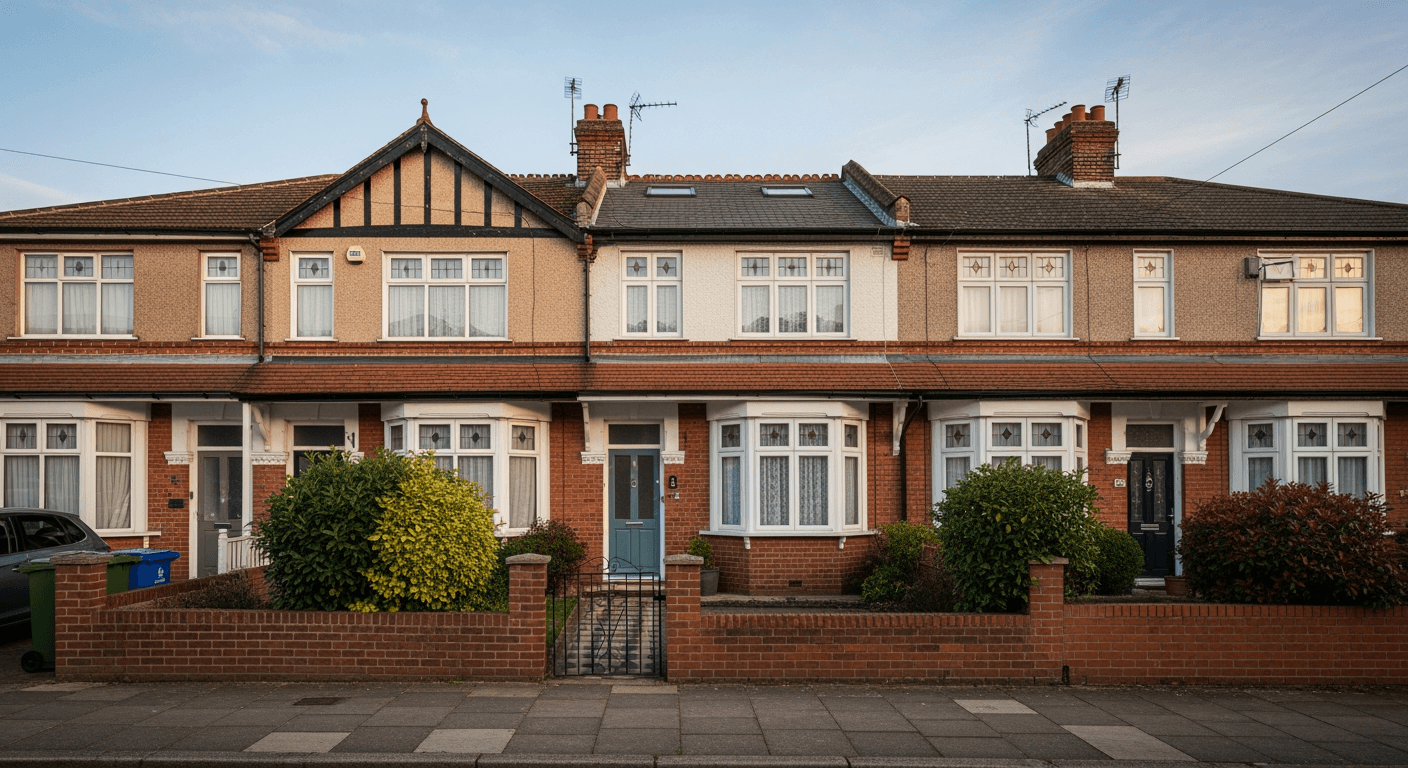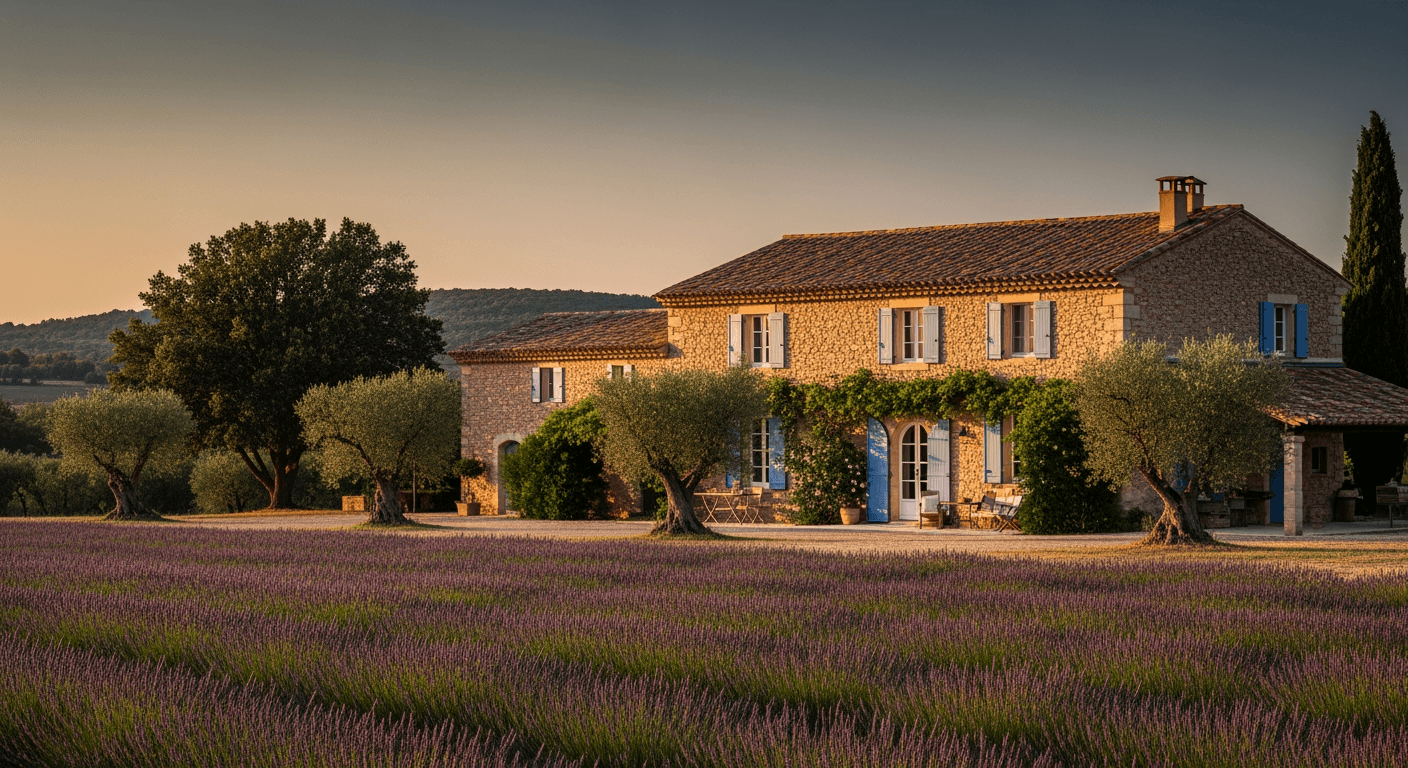


Many people dream of owning a home in Europe. They imagine restoring a stone farmhouse in Italy or a village house in France. TV shows and social media make this dream look beautiful and romantic. The idea of finding a cheap fixer-upper and giving it new life is very appealing. These properties offer character and history that new buildings often lack.
However, turning this dream into reality takes careful planning. Buying and renovating a property abroad is a major project. It involves more than just construction work. You must navigate foreign laws, complex budgets, and new regulations. In 2026, this is more true than ever before. New rules across the European Union have changed the process for all renovation projects.
This guide provides a clear, step-by-step roadmap. It will walk you through the entire journey. You will learn how to find a property and how to budget for the true costs. We will cover the legal steps, new energy laws, and financing options. With this information, you can decide if a European fixer-upper is the right choice for you and avoid costly mistakes.
Step 1: Locating Your Dream Project - Where to Find Bargain Properties
Finding the right renovation property is the exciting first step. Bargain properties are often found in specific areas. These are typically rural, inland regions where the population has declined over time. Young people move to cities for work, leaving empty homes behind. This creates opportunities for buyers looking for a project. In Spain, regions like Galicia or Castilla-La Mancha have many affordable options. In France, you might look in areas like Haute-Vienne. Italy offers cheap properties in southern regions like Sicily and Abruzzo. Many of these homes can be found for under €50,000.

You may have heard of Italy's famous €1 house schemes. These programs are still active in 2026 in towns like Oyace in the Aosta Valley and Palma di Montechiaro in Sicily. They are designed to bring life back to depopulated villages. However, the €1 price is symbolic. It is not the true cost. Buyers must agree to a full renovation. This often costs between €40,000 and €100,000. You must also pay a security deposit, usually around €5,000. If you do not complete the renovation within a strict timeline, typically two or three years, you lose this deposit. These schemes can be a great opportunity, but you must understand the full commitment.
To start your search, you need to know where to look online. Many websites can help you find your ideal fixer-upper. Using a mix of large portals and niche sites will give you the best results. Always be sure to check official sources for specific schemes like the €1 houses.
- Country-Specific Portals: Websites like Idealista are excellent for searching in Spain, Italy, and Portugal. For France, Leggett Immobilier is a popular choice among international buyers.
- Renovation-Specific Sites: Some websites focus only on properties that need work. Sites like Renovita and Homestra gather listings for fixer-uppers from across Europe.
- Official Municipal Lists: For €1 house schemes, the most reliable information comes directly from the town council, or 'Comune' in Italy. Check their official websites for active listings and rules.
- Niche & Derelict Finders: Online forums and specialized blogs can be a source for off-market properties. These communities often share leads on abandoned homes or properties not listed with agents.
When you find a potential property, do deep research on the location. Visit if you can. Understand the local community and services. A cheap house in a remote area might be hard to access or have limited internet. Finding a property is just the beginning. The next step is to understand all the costs involved.
Step 2: The Reality Check - Budgeting for the True Cost
A low purchase price is only a small part of the total cost. A successful renovation project depends on a realistic budget. Many people underestimate the expenses involved. This can lead to financial stress and unfinished projects. You must account for the purchase price, renovation work, professional fees, and taxes. It is vital to look at every cost to see the full picture. This reality check helps you decide if a property is truly a bargain.

Renovation costs vary widely by country and the scope of work. In Spain, a light cosmetic update might cost around €400 per square meter. A full structural renovation could be €900 per square meter or more. No matter how well you plan, unexpected issues will arise. You might find a leaky roof or a weak foundation. For this reason, experts recommend adding a safety margin to your budget. A contingency fund of 10% to 20% of the total renovation cost is a wise precaution. This protects you from surprises and ensures you can finish the job.
Beyond construction, there are many other fees. Notary and legal fees are mandatory for the sale. Property transfer tax must be paid to the government. You will also have annual property taxes. In many cases, you will need to hire an architect, which adds to the cost. The table below compares these key expenses across France, Spain, and Italy. It shows how costs can differ from one country to another.
| Cost Category | France | Spain | Italy |
|---|---|---|---|
| Avg. Renovation Cost | Higher than Spain/Italy | €400 - €900 per sq. meter | €80k - €200k for €1 homes |
| Notary & Legal Fees | ~5.8% for resale property | ~€600 - €875 notary fee | ~2% (first home) to 9% (second home) |
| Property Transfer Tax | Included in notary fees | Varies by region (6-10%) | Varies by region |
| Annual Property Tax | taxe foncière & taxe d'habitation | IBI (Impuesto sobre Bienes Inmuebles) | IMU (for second homes) |
| Architect/Permit Fees | Varies; required for major work | Required for Licencia de Obra Mayor | Required for major structural changes |
As the table shows, hidden costs can add up quickly. For example, in Italy, the notary and tax fees for a second home can be up to 9% of the property value. In France, you will pay two different annual property taxes. It's also important to remember currency exchange rates. If you are buying with a different currency, the final price can change between your offer and the completion date. A thorough budget is your most powerful tool for a successful renovation.
Step 3: The Legal Gauntlet - Permits, Taxes, and Ownership Rules
Buying and renovating property in Europe involves a lot of paperwork. Each country has its own laws and procedures. This bureaucratic process can seem daunting, especially for foreigners. However, you can manage it with the right professional help. Hiring a local, bilingual team is not a luxury; it is a necessity. You will need an architect for design and permits, and a lawyer to handle the legal aspects of the purchase. They will be your guides through the local system. They help ensure your project follows all rules, from building codes to tax laws.
Your legal team will help you with key issues like your residency status. This can affect which taxes you pay and how you can use the property. They will also advise on inheritance tax and capital gains tax, which you will face if you sell the property later. Trying to handle these complex matters alone is a major risk. A good lawyer protects your investment and prevents legal problems down the road. They review all contracts and ensure the property has a clean title with no hidden debts. This expert guidance is worth every penny.

Work Permits: Minor vs. Major Renovations
You cannot simply start renovating after you buy a property. You need permission from the local authorities. European countries have strict building regulations. There are generally two types of work permits. A minor work permit is for cosmetic changes. This includes things like painting, updating a bathroom, or changing floor tiles. These permits are usually easy and quick to get.
For bigger jobs, you need a major work permit. This is required for any work that changes the building's structure or exterior appearance. Examples include knocking down walls, adding windows, or changing the roofline. In Spain, this is called a 'Licencia de Obra Mayor'. To get this permit, you must submit detailed plans created by a licensed architect. The approval process can be very slow. It is not unusual to wait 3 to 8 months for a decision from the local town hall. You must factor this waiting time into your project timeline.
The Role of the Notary
In many European countries like France, Spain, and Italy, a notary is a key figure in any property sale. It is important to understand their role. A notary (called a 'Notaire' in France or 'Notaio' in Italy) is a government-appointed legal professional. They do not work for you or the seller. They are a neutral referee. Their job is to make sure the transaction is legal and follows all state rules.
The notary will verify the identities of the buyer and seller. They confirm that the property deed is correct and that there are no liens against it. They also calculate and collect all the necessary taxes for the government. The notary's involvement is mandatory to make the sale official. However, they are not your personal lawyer. They will not offer advice on whether the purchase is a good deal for you. For this reason, it is still crucial to hire your own independent, bilingual lawyer to represent your interests and protect you throughout the process.
Property Taxes for Non-Residents
Owning property in Europe means you must pay annual property taxes, even if you are not a resident. These taxes are an ongoing cost that you must include in your yearly budget. The names and structures of these taxes vary by country. In Spain, property owners pay a local tax called 'IBI' (Impuesto sobre Bienes Inmuebles). In Italy, second-home owners must pay 'IMU' (Imposta Municipale Unica).
France has a more complex system with two main taxes. The 'taxe foncière' is paid by the property owner. The 'taxe d'habitation' is paid by the person living in the property, though there are exemptions for primary residences. As a second-home owner, you may be liable for both. Additionally, some countries like France and Spain have a wealth tax. This applies to individuals who own high-value property portfolios. It is important to get professional advice to understand your specific tax obligations as a non-resident owner.
Step 4: The 2026 Mandate - Renovating for Energy Efficiency
A major change for anyone renovating in Europe is the new focus on energy efficiency. This is no longer just a good idea; it is the law. The European Union has launched a plan called the 'EU Renovation Wave'. Its goal is to upgrade millions of old, energy-wasting buildings across the continent. This is part of Europe's larger plan to fight climate change. For homeowners, this means new rules and requirements for all major renovation projects starting from 2026.

The core of these new rules is the revised Energy Performance of Buildings Directive (EPBD). This law sets minimum energy standards for all residential buildings. An Energy Performance Certificate, or EPC, rates a home's energy efficiency on a scale from 'A' (very efficient) to 'G' (very inefficient). Think of it as an energy report card for your house. Most old fixer-uppers have a poor rating, often an 'F' or 'G'. The new law states that by 2030, all homes must have at least an 'E' rating to be sold or rented. This target rises to a 'D' rating by 2033. This means your renovation must include specific upgrades to improve this rating. You cannot legally ignore this.
This mandate directly impacts your renovation plans and budget. You will need to install things like wall and roof insulation, double-glazed windows, or a modern, efficient heating system like a heat pump. While this adds to the initial cost, it also adds value. An energy-efficient home is cheaper to run, more comfortable to live in, and will be legal to sell or rent in the future. The process to ensure compliance follows a clear sequence.
- Pre-Renovation EPC: Before you start work, you must get an official EPC. This will establish your home's current energy rating, for example, 'G'. This is your baseline.
- Architectural Plan: Your architect must include specific energy-saving measures in the renovation plans. These measures must be designed to lift the property to the target rating, such as 'E'.
- Grant Application: You can use the pre- and post-renovation EPC targets to apply for government grants. These grants help pay for the energy upgrades and often cover 40-75% of the cost.
- Post-Renovation EPC: After the work is finished, a final EPC is issued. This new certificate proves your home has reached the required energy rating. This document is essential for future compliance.
Following these steps is mandatory. It ensures your property is legally compliant and marketable for years to come. By integrating these energy upgrades into your main renovation, you streamline the process and can often use grant funding to help with the costs. This makes your investment smarter and more sustainable in the long run.
Step 5: Financing Your Project - Grants, Loans, and Mortgages
Paying for a major renovation requires a solid financial plan. The total cost, including the purchase and all the work, can be substantial. The EU estimates there is an annual investment gap of over €165 billion for property renovations. This shows how significant the funding challenge is for homeowners. Luckily, there are several ways to finance your project. These include government grants, traditional bank mortgages, and specialized loans. Most renovators use a combination of these sources to fund their dream.
Finding the right mix of financing depends on your personal financial situation, your residency status, and the specifics of your project. For example, grants are an attractive option because you do not have to pay them back. However, they come with strict conditions. Mortgages provide large sums of money but can be harder for non-residents to secure. Understanding the pros and cons of each option will help you build a viable funding strategy for your European fixer-upper.

Tapping into EU & National Grants
Governments across Europe offer financial incentives to encourage homeowners to renovate. These grants can significantly reduce your costs. Both EU-level funds and national programs are available. In most cases, foreigners can access the same grants as local residents. However, this money is not free for any purpose. The funding is almost always tied to specific goals, primarily improving energy efficiency.
You might get a grant that covers 40-75% of the cost of new insulation or a heat pump. The application process can be complex and bureaucratic. You will need to provide detailed plans and proof of the energy savings. It is also important to note the funding landscape is changing. The EU's largest funding source for this, the Recovery and Resilience Facility, is set to end in 2026. While other programs like the Social Climate Fund will continue, the future of large-scale subsidies is uncertain. You should research the specific grants available in your chosen country at the time of your project.
Mortgages for Foreigners
For many buyers, a mortgage is necessary to finance the property purchase and renovation. Getting a mortgage in a foreign country can be challenging, but it is possible. Some European banks are open to lending to non-residents. However, you should expect to face stricter eligibility criteria. Banks will want to see a stable income, a good credit history, and a significant deposit.
Some banks offer specific products for renovation projects. For example, Spain's Banco Santander has offered 'self-build' mortgages that release funds in stages as work progresses. You will need to check your eligibility carefully. Another common strategy is to use property you already own. Many buyers choose to remortgage their primary residence in their home country. This can sometimes be an easier way to raise the large amount of capital needed for the purchase and renovation work.
The Rise of 'Green Loans'
As energy efficiency becomes more important, a new type of financial product is emerging: the 'green loan'. Banks are increasingly offering these loans to support eco-friendly renovation projects. A green loan typically has a slightly lower interest rate than a standard personal loan or mortgage. This is the bank's way of rewarding homeowners for making their properties more sustainable.
To qualify for a green loan, you usually need to prove that your renovation will result in significant energy savings. This connects directly to the mandatory EPC upgrades. The same documents you use to prove compliance for the law, like your pre- and post-renovation EPCs, can be used to apply for a green loan. This creates a positive cycle. The law requires you to make energy upgrades, and green loans can help make those upgrades more affordable. It is a smart way to help finance the mandatory work your fixer-upper needs.
Making Your Decision: Is a European Fixer-Upper Right for You in 2026?
The dream of restoring a European property is powerful, but it requires a clear mind. A fixer-upper project is more than just construction. It is a major life event that demands patience, flexibility, and a realistic budget. The journey from a derelict ruin to a beautiful home is long. It is filled with bureaucratic hurdles, financial decisions, and hands-on work. The dream is certainly achievable, but success belongs to those who plan carefully.

In 2026, two realities stand out. First, you must have a firm grip on your finances. The true cost goes far beyond the initial purchase price. You need a detailed budget that includes a large contingency fund for surprises. Second, you must embrace the new energy efficiency laws. The EU's mandate to upgrade old buildings is not optional. It is a core part of any renovation project and will shape your plans and costs.
The reward for navigating these challenges is immense. You can create a truly unique home, filled with character and history. You can become part of a local community and experience a new way of life. If you are prepared for the hard work and planning, the result can be more fulfilling than you ever imagined. Start by creating a detailed budget, researching your preferred regions, and finding a trusted local lawyer and architect. This solid foundation will help turn your European renovation dream into a successful reality.