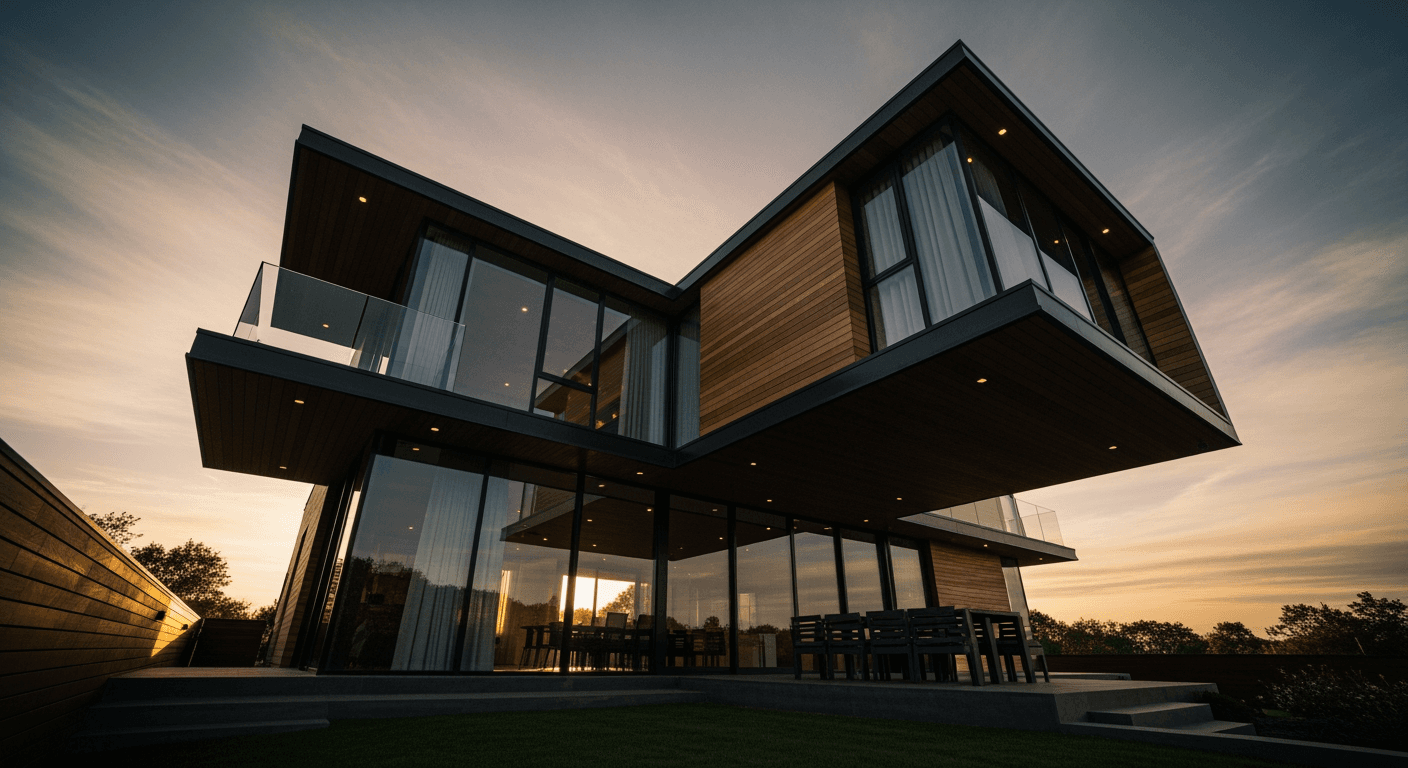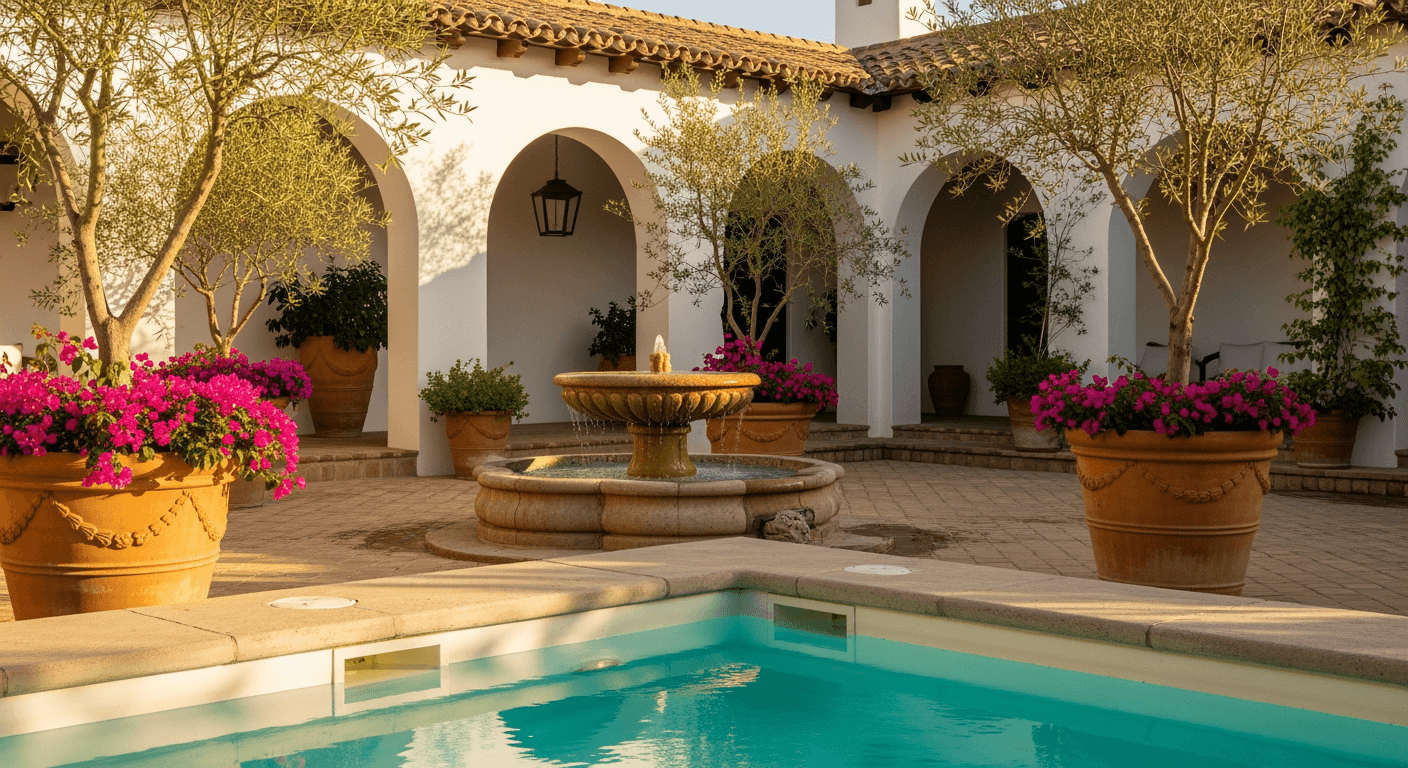


The dream of a life in Spain often starts with a simple image. It might be a sunny morning with coffee in your own private garden. You can enjoy the warmth without the stress of a big renovation project. This dream is more achievable than ever with move-in ready homes. These properties let you start your new life the day you get the keys.
However, many potential buyers from the UK feel a mix of excitement and worry. You may be excited about the sunshine but anxious about the process. Concerns about hidden costs and complex paperwork are common. This is especially true after Brexit. The path to owning a home abroad can seem confusing.
This guide clears up the confusion. We will provide a clear, strategic plan for 2026. You will learn what "move-in ready" truly means in the Spanish market. We will explore the real costs of owning a garden. We will also walk you through the entire buying process step by step. This guide is your roadmap to buying your perfect Spanish home with confidence.
What Does "Move-In Ready" Really Mean in Spain for 2026?
In the Spanish property market, a "move-in ready" home is one that is fully prepared for you to live in immediately. It is also known as a "turnkey" property. This means you will not need to do any major repairs or renovations. The home should have modern electrical and plumbing systems. Kitchens and bathrooms are typically up to date. These homes also tend to have better energy efficiency. This saves you money on bills. The term applies to both brand-new homes from a developer and older homes that have been fully renovated. The key idea is simple. You turn the key and start your life.

Think of it like buying a car. A new build property is like a brand-new car straight from the factory. It has the latest features and a full warranty. A renovated resale home is like a certified pre-owned vehicle. A professional has inspected it, fixed any issues, and detailed it for sale. Both cars are ready to drive off the lot on the same day. You just need to decide which type fits your budget and style. This choice between a new build and a renovated resale is one of the first big decisions you will make. Each path has different costs, benefits, and characteristics.
Understanding the key differences is vital for making a smart investment. The choice impacts your initial outlay, ongoing costs, and even your lifestyle. For example, new builds often come with a 10-year structural warranty, giving you peace of mind. Renovated homes might offer more character and be located in more established, central areas. Below is a clear comparison to help you weigh your options.
| Feature | New Build Property | Renovated Resale Property |
|---|---|---|
| Purchase Tax | 10% IVA + 1.5% AJD (Stamp Duty) | 6%-13% ITP (Varies by region) |
| Initial Cost | Generally higher purchase price. | Often a lower purchase price. |
| Maintenance | Low initial maintenance; 10-year structural warranty is common. | Potential for hidden issues; maintenance costs can be higher. |
| Energy Efficiency | High; built to modern standards, leading to lower utility bills. | Variable; depends on the quality of the renovation. |
| Location | Often in developing areas with modern infrastructure. | Typically in established locations with mature communities. |
| Customisation | Can sometimes be personalised during the final build phase. | Limited to no customisation without further renovation. |
| Character | Can lack the charm of traditional properties. | Often possesses unique character and traditional features. |
The most important difference for your budget is the purchase tax. When you buy a new build, you pay VAT, which is called IVA in Spain. This is a national rate, currently 10%. You also pay a smaller stamp duty tax called AJD. For a resale home, you pay a transfer tax called ITP. The ITP rate varies by region, from around 6% to 13%. You never pay both IVA and ITP. Your lawyer will confirm the exact tax you need to pay based on the property and its location. While a renovated resale may seem cheaper upfront, the higher efficiency of a new build could save you money over the long term. Consider the total cost of ownership, not just the sticker price.
The 2026 Buyer's Process: A Step-by-Step Guide for UK Citizens
Buying a property in Spain is a well-defined process. For UK citizens, the rules for owning property have not changed after Brexit. You have the same rights as any other non-EU national. The main change affects how long you can stay in Spain without a visa, which is 90 days in any 180-day period. However, the process of buying your home remains the same. Following these steps in order will ensure a smooth and secure purchase. It is vital to proceed with care and professional guidance at every stage.

- Budget for the True Cost: Your budget must include more than just the property's price. A safe rule is to add 10-15% on top of the purchase price. This extra amount covers essential taxes and fees. These include the ITP or IVA tax, notary fees, Land Registry fees, and your lawyer's fees. Having this extra cash ready is crucial. It prevents delays and shows sellers you are a serious buyer.
- Obtain Your NIE Number: The NIE (Número de Identificación de Extranjero) is a foreigner's identification number. You absolutely need this number to buy property in Spain. It is used for all financial and legal transactions. You can apply for it at a Spanish consulate in the UK before you travel. Or you can get it at a designated police station in Spain. Start this process early, as it is the first official step.
- Open a Spanish Bank Account: While not a strict legal need, opening a Spanish bank account is highly practical. It simplifies the entire process. You will use it to transfer money for the purchase, pay taxes, and set up future utility bills like water and electricity. It makes managing your new property's finances much easier.
- Hire an Independent Lawyer (Abogado): This is the most important step for your protection. Your lawyer (abogado) works only for you. Do not use the seller's or agent's lawyer. Your independent lawyer will conduct due diligence. They will check the property's legal status with a document called a 'nota simple' from the Land Registry. This document proves ownership and shows any debts against the property. Your lawyer ensures the property is free of problems before you pay.
- Property Search & Due Diligence: Now the fun begins. Start your search for move-in ready homes with gardens. Once you find a property you love, inform your lawyer. They will begin the detailed legal checks to confirm everything is in order. This happens while you move to the next step.
- Sign Reservation Agreement (Contrato de Reserva): To show you are serious, you will sign a reservation agreement. You pay a small deposit, usually between €3,000 and €6,000. This payment takes the property off the market for a short time. This gives your lawyer the time needed to complete their checks.
- Sign Private Purchase Contract (Contrato de Arras): Once your lawyer confirms the property is legally sound, you sign a more formal contract. At this stage, you typically pay a deposit of 10% of the purchase price. This is a legally binding contract. If you back out now, you will likely lose your deposit. If the seller backs out, they may have to pay you double.
- Completion at the Notary (Escritura): This is the final step. You, the seller, and both your lawyers meet at a public official's office called a Notary. You sign the final deed of sale, the 'Escritura de Compraventa'. You pay the remaining balance of the property price. The seller then hands you the keys. The property is now yours.
- Register the Property: After the signing, your lawyer will take the 'Escritura' to the Spanish Land Registry. They will officially register the property in your name. This step is essential. It provides the ultimate legal protection of your ownership rights.
The Garden Dream vs. The Reality: A 2026 Cost & Climate Analysis
A private garden is a top priority for many buyers in Spain. It offers a personal oasis for relaxing and entertaining. However, the dream of a lush, green space comes with real-world costs and responsibilities. It is a mistake to think a garden is a simple, low-cost feature. In Spain's varied climate, garden maintenance can be a significant ongoing expense. A good rule of thumb is to budget 1-2% of your property's value each year for total home maintenance. A large portion of this can be for the garden and pool.
Before you fall in love with a villa with a huge lawn, you must understand the costs. These go far beyond the occasional watering can. From high water bills in the dry south to professional gardener fees, these costs add up. Understanding them upfront ensures your garden remains a source of joy, not a financial burden. Here are the key costs to consider:
- Community Fees (Comunidad): Many properties, especially in urbanisations, are part of a community. You will pay annual fees for the upkeep of shared spaces, which can include gardens. These fees can range from €400 to over €4,000 per year.
- Water Costs: This is a major expense, especially in southern regions like Andalusia, Murcia, and the Costa Blanca. Maintaining a green lawn can lead to very high water bills during the long, dry summers. Smart irrigation and drought-resistant plants are essential.
- Gardener Fees: A professional gardener is often a necessity, not a luxury. They typically charge between €10 and €20 per hour. For a medium-sized garden, this can mean a monthly cost of €100 to €400.
- Irrigation Systems: To manage water use efficiently, most properties have automated sprinkler systems. These need yearly checks and occasional repairs. You should budget €50 to €200 per year for this upkeep.
- Pest Control: Spain's warm climate can bring pests like processionary caterpillars or termites. Protecting your plants and property may require professional treatments, which can cost between €100 and €400 annually.

Climate-Smart Gardening: Andalusia vs. The North
Spain is not one single climate. The type of garden you can have depends heavily on your location. In the hot, dry south, like on the Costa del Sol in Andalusia, water conservation is key. Here, a 'climate-smart' garden is the best approach. This means choosing plants that thrive in the heat and need little water. Think beautiful, fragrant plants like lavender, rosemary, bougainvillea, and various succulents. These choices create a stunning Mediterranean look. They also keep your water bills manageable. Trying to grow a traditional English lawn here is an expensive and constant battle.
In contrast, the northern coast of Spain is known as 'Green Spain'. Regions like Galicia, Asturias, and Cantabria have a very different climate. It is much cooler and wetter, similar to the UK. Here, you can grow a much wider variety of plants. Lush green lawns, vibrant flower beds, and hydrangeas are common. The gardening possibilities are more familiar to a British gardener. However, you will still need to manage issues like moss and drainage. The key is to match your garden ambitions to the local climate. This will save you time, money, and frustration.
Private Garden vs. Communal Garden
The choice between a private and a communal garden is a major lifestyle decision. A private garden offers complete freedom and control. It is your space to design, plant, and use as you wish. You can have family barbecues, let your pets run free, and enjoy total privacy. However, this freedom comes with 100% of the responsibility. You bear all the costs for water, maintenance, and equipment. You also have to do the work yourself or hire a gardener. For many, this is a price worth paying for their own personal sanctuary.
A communal garden, often found in apartment complexes or townhouse communities, offers a different set of trade-offs. The biggest advantage is the shared cost and reduced effort. The community fees you pay cover the professional maintenance of beautiful, large gardens and pools. You get to enjoy these amazing facilities without the personal labor. The downside is a lack of privacy and control. You share the space with your neighbors. There are rules about noise, parties, and pet access. It is a 'lock-up-and-leave' solution that is perfect for second-home owners or those who want the green space without the work.
How AI is Making it Easier to Find Your Perfect Spanish Home
The Spanish property market is huge. There are tens of thousands of homes for sale across many different regions. Finding the perfect one that matches your specific needs can feel overwhelming. Traditional property websites often have basic filters. You can choose a location and price, but it is hard to search for specific features like "a low-maintenance garden" or "a home with afternoon sun."

Imagine trying to find a specific book in a giant library without a catalog. That is what searching on old property portals can feel like. You scroll through endless pages, hoping to get lucky. Modern technology, especially artificial intelligence (AI), is changing this. An AI-powered search is like having a personal property shopper. This shopper understands your detailed requests and instantly finds the best matches from the entire market. It cuts through the noise and saves you hundreds of hours of searching.
This new technology is designed to understand what you truly want. It goes beyond simple keywords. It helps you discover properties that you might have missed otherwise. This is especially useful when looking for a niche property, like a move-in ready home with a very specific type of garden. Here are some of the ways AI is making the search process better:
- Natural Language Search: Instead of ticking boxes, you can just type what you want in your own words. For example, you can search for "a turnkey villa near Marbella with a private pool and a flat lawn for kids to play on." The system understands this complex request and finds matching properties.
- Preference Learning: As you look at properties, the system learns what you like and dislike. If you save modern villas and ignore rustic fincas, it will show you more modern options. The search results get smarter and more relevant to your taste over time.
- Market-Wide Scanning: AI can scan listings from thousands of different agents and portals all at once. This ensures you see the whole market. You will not miss your dream home just because it was listed on a website you did not know about.
- Feature Identification: This technology can analyze photos and listing descriptions to identify key features. It can spot things like a "south-facing garden," "mature fruit trees," or a "newly renovated kitchen." These are details that are often missing from standard search filters.
Making Your Decision: Your 2026 Checklist for a Move-In Ready Home
You now have a clear picture of the journey ahead. Buying a move-in ready home in Spain is an exciting prospect. The 2026 Spanish property market is healthy, with strong demand from British and other foreign buyers. However, the best properties in prime locations sell quickly. This means that being a prepared and decisive buyer gives you a huge advantage. When the perfect home with the perfect garden appears, you need to be ready to act.

By understanding the process, budgeting for the true costs, and knowing what you want, you can move with confidence. This guide has given you the key information to make smart choices. Before you take the next step, run through this final checklist. It will help confirm you are ready to turn your Spanish property dream into a reality.
- Have I budgeted 15% on top of the price for taxes and fees?
- Have I started my NIE application?
- Have I chosen an independent lawyer?
- Have I realistically calculated the annual cost of my dream garden?
- Am I clear on the difference between a new build (IVA) and resale (ITP) for my target properties?
- Am I prepared to move decisively when the right property appears?