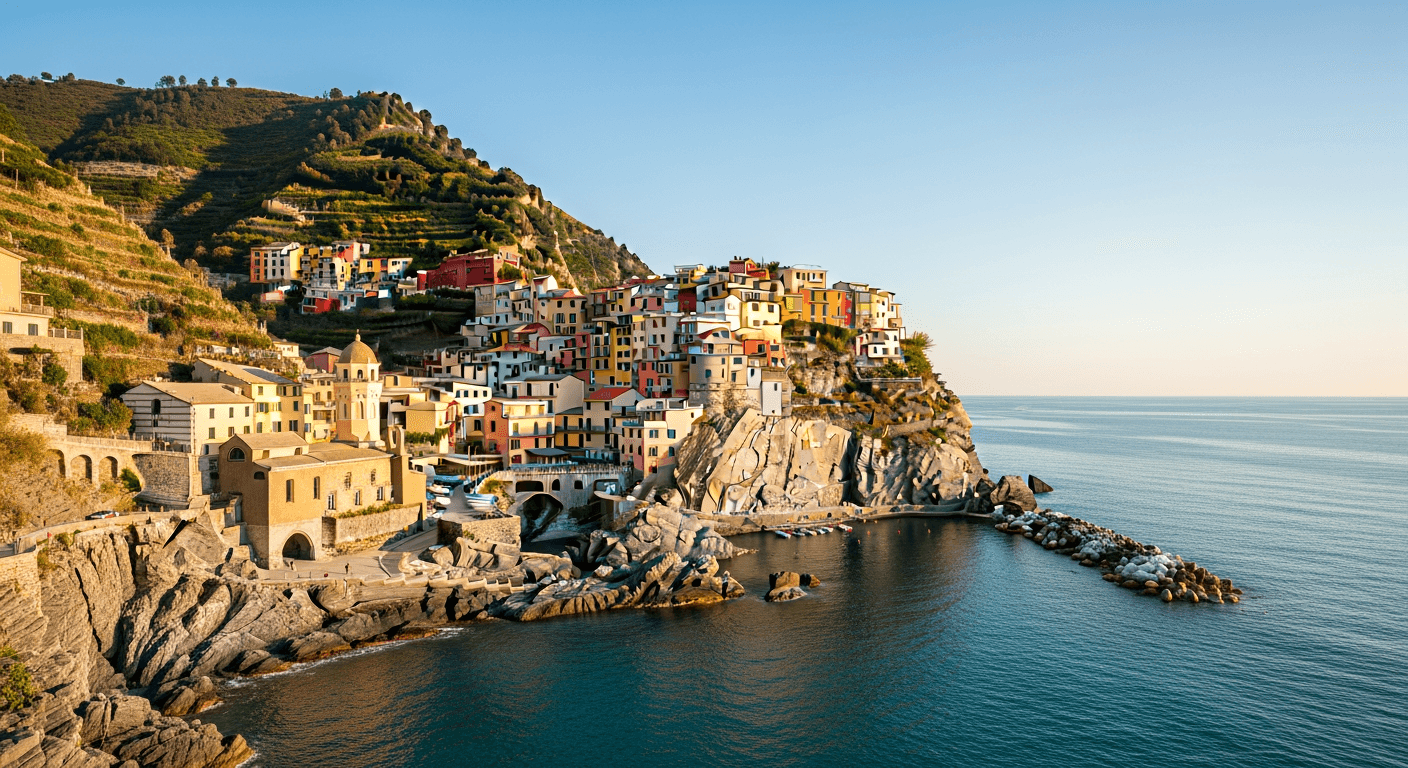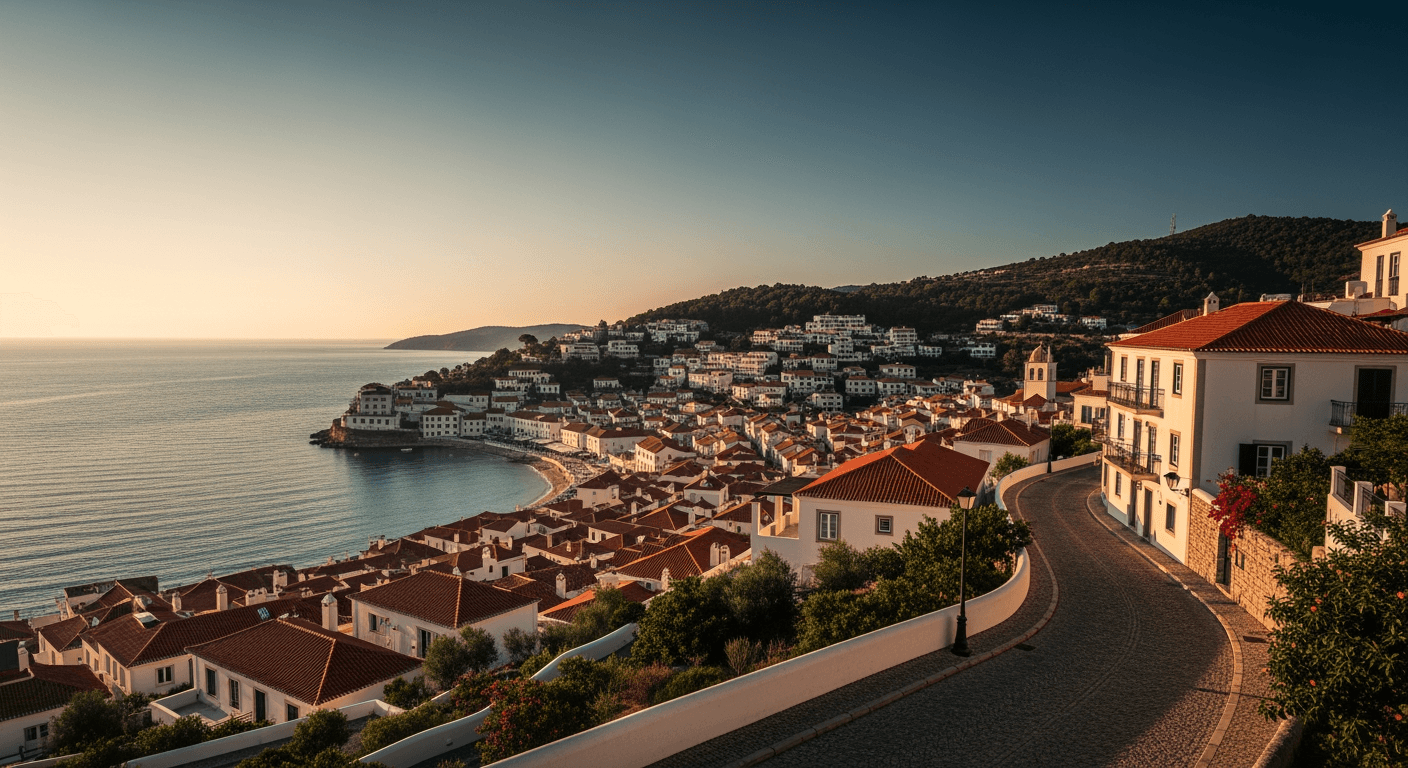


Imagine waking up to the gentle sound of waves. You step onto your terrace with a warm coffee. A stunning sea view unfolds before you. Later, you will take a dip in your private pool. This is the dream that drives many to seek a European coastal home. This lifestyle is more popular than ever in 2026.
However, the path to owning this dream has changed. The rules for buyers, especially from the UK, are now very different. Post-Brexit regulations and major shifts in visa policies have added new layers of complexity. Simply finding a house is no longer enough. You must understand the paperwork, taxes, and long-term costs.
This guide cuts through the confusion. We go beyond the glossy photos and property listings. We provide a clear, data-driven look at buying in 2026. We will compare the top destinations: Spain, Portugal, Greece, and France. You will learn about property prices, the true value of a pool, and the critical new rules for visas and residency. This information will help you make a confident and smart investment.
The 2026 Market Snapshot: Where to Find Value in Coastal Europe
The European property market in 2026 shows a clear trend. Buyers are seeking quality and value. Interest rates have stabilized, leading to more confidence in the market. This has caused a "flight to quality," where buyers focus on properties with strong long-term appeal. Homes with both a sea view and a pool are at the top of this list. They are seen as secure assets for lifestyle and investment.

Established luxury areas remain highly sought after. Places like Marbella on Spain's Costa del Sol and Saint-Tropez on the French Côte d'Azur continue to command premium prices. These locations offer world-class amenities, a proven track record of value, and high rental demand. Buyers here are often focused on securing a premium lifestyle in a well-known, prestigious location. The infrastructure is excellent, with fine dining, yacht clubs, and designer shopping readily available. However, the cost of entry is very high, and the potential for rapid price growth may be lower than in less mature markets.
At the same time, savvy investors and lifestyle buyers are looking at emerging hotspots. These areas offer significant growth potential and lower entry prices. For example, Casares Costa in Spain provides the charm of the Costa del Sol without the Marbella price tag. In Italy, the Puglia region offers beautiful coastlines and a more authentic experience. Croatia's Dalmatian Coast, particularly around Cavtat, is also gaining major attention. These markets often provide a better return on investment. Forecasts for 2026 show price growth in Spain's Costa Blanca could be between 5% and 9%. The trade-off is that these areas may have less developed infrastructure and fewer high-end amenities. This makes them ideal for pioneers and value-focused buyers.
Choosing between an established hub and an emerging hotspot depends on your goals. If your priority is a secure, amenity-rich lifestyle and you are less concerned about budget, a proven market is a safe bet. If you are looking for higher growth potential and a more authentic local culture, an emerging market could be the perfect choice. These locations allow you to buy more property for your money and potentially see greater appreciation over the next decade. You can evenexplore curated listings on platforms like one-place.com to compare both types of areas directly.
This table breaks down the key differences between these market types:
| Feature | Established Luxury Hubs | 2026 Emerging Hotspots |
|---|---|---|
| Examples | Marbella (Spain), Saint-Tropez (France), Mykonos (Greece) | Casares Costa (Spain), Cavtat (Croatia), Puglia (Italy) |
| Pros | Proven market, high rental demand, premium amenities. | Higher growth potential, lower entry prices, "undiscovered" feel. |
| Cons | High acquisition costs, market saturation, lower yields. | Fewer amenities, infrastructure still developing, higher investment risk. |
| Best For | Lifestyle-first buyers, risk-averse investors. | Value-focused investors, pioneers seeking authenticity. |
Understanding this distinction is the first step. It helps you narrow your search to regions that align with your budget and long-term goals. Whether you seek the vibrant social scene of a luxury hub or the quiet promise of an emerging coast, Europe has an option for you.
The "Pool Factor": Is a Private Pool a Luxury or a Smart Investment in 2026?
For a coastal property in Southern Europe, a swimming pool is far more than a simple luxury. In hot climates, it becomes a central feature of the home. It is a vital part of the lifestyle and a powerful driver of financial value. Think of it like a modern kitchen or an extra bedroom in a colder country. It is an expected feature that heavily influences both rental income and final resale price. Properties with pools are in much higher demand, especially in the holiday rental market. Renters will often filter their searches specifically for properties with a pool, and they are willing to pay a premium for it.

The financial return on a pool is impressive. Studies show that adding an in-ground pool can increase a property's value significantly. In Spain, for example, a house with a pool can be worth up to 19.5% more than a comparable one without. In the South of France, the value increase is similar, often between 16% and 19%. In many cases, this increase in property value is greater than the total cost of installing the pool. This makes it a genuinely smart investment, not just an expense. It enhances your lifestyle while you own the property and delivers a clear profit when you decide to sell.
Of course, you must factor in the costs. The price of installing a standard 8x4 meter pool varies by country. In Portugal, costs can start as low as €12,000, while in Spain they typically range from €25,000 to €50,000. On Greek islands, logistical challenges can push the price higher, from €35,000 to €70,000. It is also crucial to remember the legal requirements. In every country, you need an official permit to build a pool. This is known as a *Licencia de Obras* in Spain or a *Déclaration préalable* in France. Failing to get the right permit can lead to large fines and legal problems. Finally, consider annual maintenance. This includes costs for chemicals, cleaning, and electricity for the pump, which can range from €500 to €1,800 per year depending on the location and pool size.
The following table compares the typical costs and value associated with adding a pool in key European countries.
| Country | Avg. 8x4m Pool Cost (2026) | Permit Required? | Avg. Property Value Increase | Annual Maintenance |
|---|---|---|---|---|
| Spain | €25,000 - €50,000 | Yes (Licencia de Obras) | ~19.5% (for houses) | €1,200 - €1,800 |
| Portugal | €12,000 - €45,000+ | Yes (Licença de construção) | Significant in tourist areas | Similar to Spain |
| France (South) | €15,000 - €50,000+ | Yes (Déclaration préalable) | 16% - 19% | €500 - €1,200 |
| Greece | €35,000 - €70,000 (higher on islands) | Yes (Building Permit) | High, especially for rental villas | Higher due to logistics |
In summary, the data is clear. A pool is a worthwhile investment that enhances your enjoyment and your property's financial standing. When budgeting for your European dream home, factor in the cost of a pool not as an expense, but as an integral part of the asset you are creating.
The Post-Brexit Reality Check: How Long Can You Stay and Can You Get Residency?
For UK citizens buying property in Europe, this is the most critical topic to understand in 2026. The rules have changed completely since Brexit. Owning a property in an EU country does not give you the right to live there full-time. You must follow the rules for non-EU visitors. The most important rule is the 90/180-day limit. This means you can stay in the Schengen Area for a maximum of 90 days within any 180-day period. This zone includes popular countries like Spain, Portugal, France, and Greece.

Think of it like a travel pass. Your pass allows you to be in the Schengen zone for 90 days. After you use those 90 days, your pass needs a 90-day 'cooldown' period. You must spend this cooldown time outside the Schengen Area before you can return. This rule is strictly enforced. Overstaying can lead to fines and even entry bans, which would prevent you from visiting your own property. It is vital to track your travel dates carefully to avoid any issues.
A common myth is that you can still get residency simply by buying a house. This is no longer true in most key markets. The 'Golden Visa' programs, which offered a residency permit in exchange for a property purchase, have been largely dismantled. Spain officially ended its property-for-residency visa in April 2025. Portugal has removed real estate as an option for its Golden Visa. Greece still has a program, but as of 2026, the investment threshold in prime areas like Athens and Mykonos has risen to €800,000. The old 'all-access pass' from buying a house is gone. You must now explore other legal paths if you want to stay longer than 90 days.
So, what are your options for spending more time at your European home? You need to plan ahead and likely apply for a specific visa. Here are the main pathways available in 2026:
- Standard Tourism: Stick to the 90/180-day rule. This option is perfect for traditional holiday home use. You can enjoy long holidays in the spring and summer, then spend the autumn and winter back home. It requires no paperwork beyond your passport but demands careful planning of your stays.
- Apply for a National Visa: This is the most common route for those who want to spend more than 90 days at a time. Each country has its own long-stay visas. The most popular are Spain's Non-Lucrative Visa and Portugal's D7 Visa. These typically require you to prove you have sufficient income or savings to support yourself without working in the country. This involves a detailed application process before you travel.
- Investment (Non-Property): Some residency-by-investment programs still exist, but they have shifted away from real estate. For instance, Portugal's Golden Visa now requires a €500,000 investment into approved investment funds. This is an option for high-net-worth individuals, but it separates your residency path from your property purchase.
The key takeaway is that planning for your legal status is as important as finding the right house. You must decide how you plan to use your property and then pursue the correct visa well in advance.
2026 Cost of Ownership: Comparing a €1M Villa in Spain vs. Portugal vs. Greece vs. France
The asking price of a property is only the beginning of the story. To make a smart financial decision, you must understand the total cost of ownership. This includes one-time purchase taxes and ongoing annual taxes. These costs can vary dramatically between countries, meaning a €1 million budget will go much further in some places than others. Let's break down the key financial considerations for buying and owning a high-value villa in Europe's top coastal destinations.

In Spain, you will pay a property transfer tax (ITP) when you buy, which ranges from 8% to 10% depending on the region. Annually, you will owe a property tax called IBI, calculated as 0.4% to 1.1% of the property's 'cadastral value', which is the official value registered with the tax office. Some regions in Spain also have a wealth tax that applies to your worldwide assets, which is a crucial factor for affluent buyers. Portugal has a similar structure. The purchase involves a transfer tax (IMT) and a Stamp Duty, totaling around 6% to 8%. The annual tax (IMI) is lower, at 0.3% to 0.5% of the property's tax value. Portugal has recently abolished its wealth tax, which makes it attractive for long-term ownership.
Greece offers a much lower barrier to entry on the tax front. The property transfer tax is a flat rate of around 3%. The annual property tax (ENFIA) is a fixed fee based on square meters, which can be very low, often between €2 and €16 per square meter. There is no wealth tax in Greece. France, on the other hand, represents the premium end of the scale. The purchase costs, known as Notaire fees, are around 5.8%. The annual property tax (Taxe Foncière) is similar to Spain's. Importantly, France has a wealth tax specifically on real estate assets valued over €1.3 million. This means owning a high-value coastal villa will likely trigger this additional annual tax.
This comparative table illustrates how these costs apply to a €1 million sea-view villa:
| Cost Metric | Spain (Costa del Sol) | Portugal (Algarve) | Greece (Crete) | France (Côte d'Azur) |
|---|---|---|---|---|
| Example Property | 4-Bed Sea View Villa | 4-Bed Sea View Villa | 4-Bed Sea View Villa | 4-Bed Sea View Villa |
| Approx. Price (2026) | €950,000 - €1.5M | €800,000 - €1.2M | €600,000 - €1M+ | €1.5M - €2.5M+ |
| Purchase Tax | 8-10% (ITP) | 6-8% (IMT + Stamp Duty) | ~3% Transfer Tax | ~5.8% (Notaire Fees) |
| Annual Property Tax | 0.4-1.1% of cadastral value (IBI) | 0.3-0.5% of tax value (IMI) | Fixed fee per m² (€2-€16/sqm) | 0.2-1.5% of cadastral value (Taxe Foncière) |
| Wealth Tax? | Yes (Region-dependent) | No | No | Yes (on real estate > €1.3M) |
As the table shows, a lower property price in Greece is made even more attractive by its low tax burden. In contrast, a villa in France comes with both a high purchase price and significant ongoing tax obligations. Spain and Portugal sit in the middle, offering a balance of property value and reasonable taxation.
Making Your Decision: Key Takeaways for Your 2026 Purchase
Choosing the right European property with a sea view and pool is a balance of heart and head. You have explored the market, understood the value of a pool, faced the new legal realities, and compared the true costs of ownership. Now it is time to bring these pieces together to make your final decision. The best country for you depends entirely on your personal priorities: lifestyle, budget, and long-term plans.

Each country offers a distinct trade-off. Spain provides incredible variety, from bustling coasts to quieter coves, all supported by fantastic infrastructure. Portugal offers a balanced, relaxed lifestyle and has historically been favorable for taxes. Greece presents the best pure value, combining lower property prices with minimal annual taxes and timeless island charm. France remains the ultimate premium lifestyle choice, offering unparalleled glamour on the Côte d'Azur, but it comes with the highest costs.
As you prepare to take the next step, use this final checklist to guide your thinking:
- For Best Value: Look towards Greece or emerging markets in Portugal and Spain. Your budget will stretch further here, both in property size and lower ongoing costs.
- For Established Luxury & Amenities: The Costa del Sol and Côte d'Azur remain top choices. Be prepared for a premium price tag for this proven quality and convenience.
- For Favourable Tax: Portugal and Greece are often the most advantageous. Portugal has no wealth tax, and Greece's annual property taxes are very low.
- For Residency: Plan for a national visa application. The era of 'buy-a-house-get-a-visa' is over in Spain and Portugal. Factor the visa process into your timeline from the very beginning.
Your dream of a European home with a sea view and pool is achievable in 2026. By arming yourself with this knowledge, you can navigate the market with confidence. You can move past the dream and start building a smart, rewarding, and sun-filled reality.