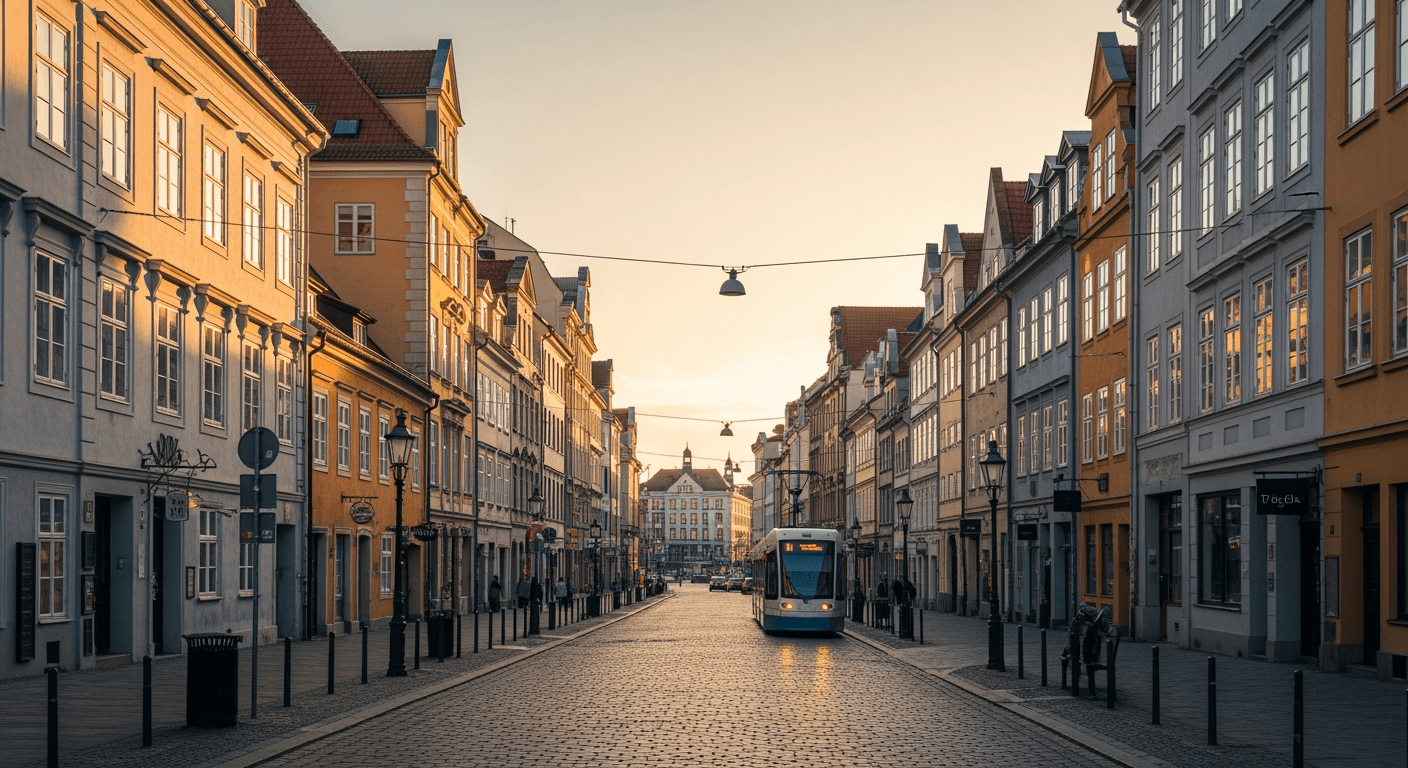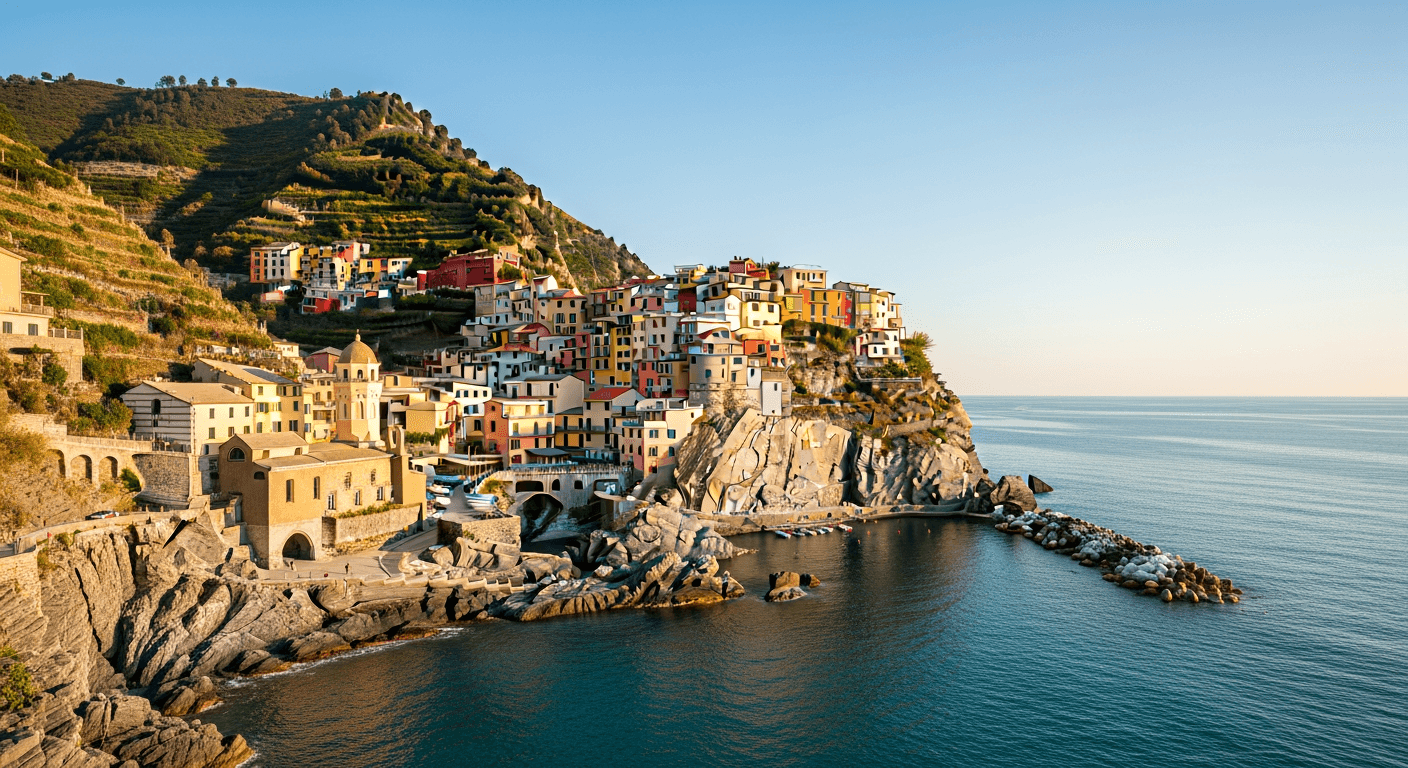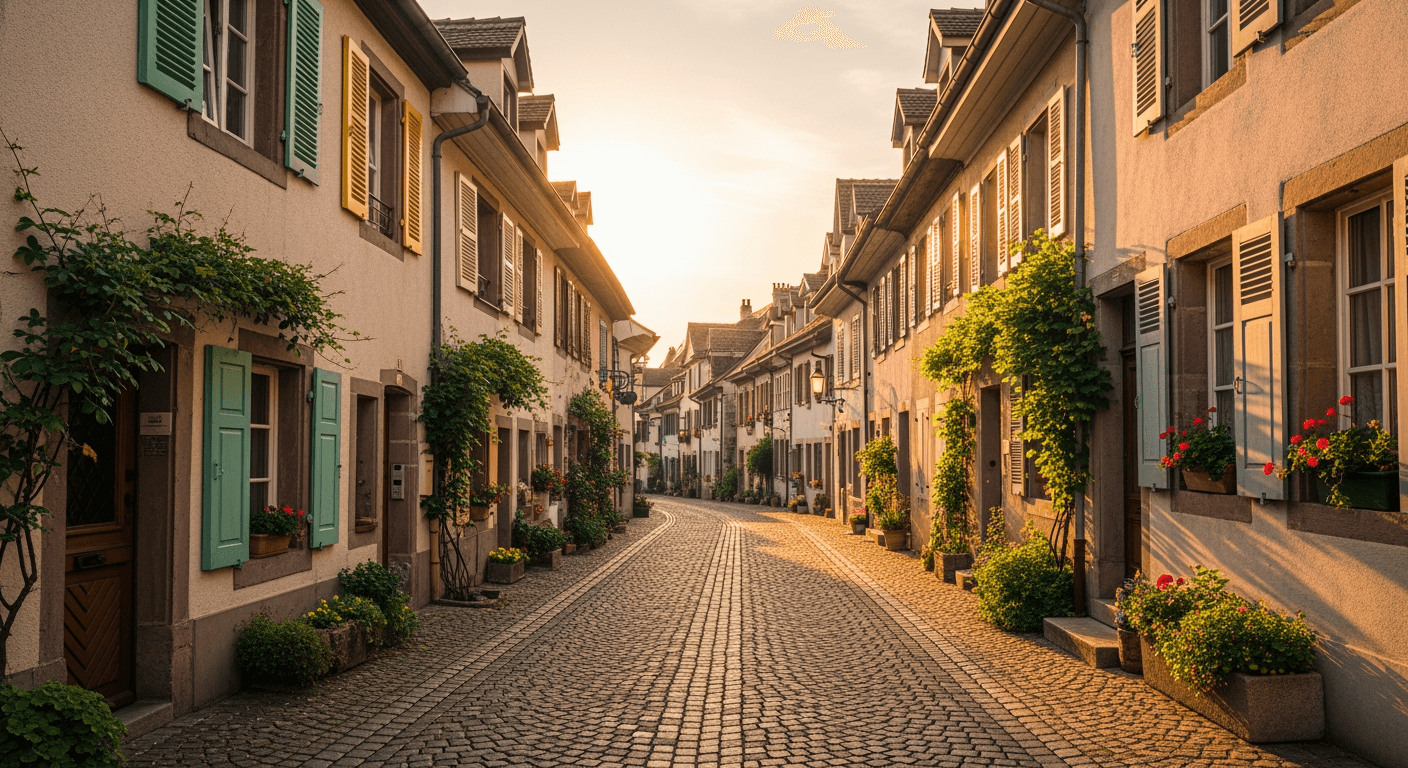


Dreaming of a life in Europe is easy. You might picture morning coffee in a Parisian cafe or a sunny afternoon on the Spanish coast. But choosing where to actually live can feel overwhelming. The post-pandemic world has opened new doors. Remote work makes moving abroad more possible than ever. Yet, rising costs and complex rules mean picking the right city is vital for your success and happiness.
Generic top-ten lists are often not helpful. The "best" city for a single tech worker is not the best for a family with young children. A great place for a high-earning executive might be a bad fit for a freelance artist on a budget. Your personal goals matter most. This guide is different. We cut through the noise by matching cities to specific types of expats.
We will explore Europe's top destinations based on you. We will look at your career, your family needs, and your lifestyle. Think of this as a personalized roadmap. It will help you filter your options and create a short list of cities. This will give you a clear, data-driven path to finding your perfect new home in 2026.
The New Rules of Relocation: What Matters for Expats in 2026
The world has changed, and so has the process of moving abroad. To make a smart choice in 2026, you need to look beyond pretty pictures and tourist reviews. A successful move depends on a careful balance of practical factors. These factors will define your daily life, your financial health, and how easily you settle in. We have identified four core pillars that every potential expat should consider. These are the metrics we use to analyze each city in this guide. Understanding them will help you compare different locations in a way that truly matters for your future.

Think of these pillars as the foundation of your new life. A weakness in one area can undermine the strengths in others. For example, a high salary means little if the cost of living consumes your entire paycheck. Great weather is less enjoyable if you feel isolated and cannot connect with a community. Before you fall in love with a city's charm, it is crucial to assess its performance on these key metrics. This practical approach prevents common pitfalls and sets you up for a smooth transition. It ensures your new home supports your goals, rather than working against them. We will break down each of these important factors now.
- Affordability & Purchasing Power: This is more than just the cost of living. It is about what your money can actually buy. We compare your potential net salary against key monthly costs. These include rent, utilities, groceries, and transport. A city might seem expensive, like Zurich, but high local salaries can give you strong purchasing power. Conversely, a city with low rent may not be a great deal if wages are also very low. We focus on the balance to show your true financial comfort.
- Career & Economy: A city needs to support your professional goals. We look at the strength of the local job market and its key industries. Are there opportunities in your field? We also check how friendly the city is to remote work. This includes digital infrastructure like internet speed and the availability of co-working spaces. A stable and diverse economy offers more security for expats, especially during uncertain times.
- Quality of Life: This broad category covers the daily experience of living in a city. Key factors include safety and low crime rates. We also consider the quality and accessibility of public healthcare. Work-life balance is another critical element, as some cultures prioritize leisure time more than others. Finally, we note the local climate, public transport efficiency, and access to green spaces and cultural activities.
- Ease of Integration: Moving is one thing; feeling at home is another. This pillar measures how easy it is to build a life. We assess visa accessibility, including options like the Digital Nomad Visa or the EU Blue Card. We also consider language barriers and how widely English is spoken. The size and vibrancy of the existing expat community can provide a vital support network for a soft landing and a smoother social transition.
By using this consistent framework, you can make a true apples-to-apples comparison. It moves you from a vague dream to a concrete plan. This structured thinking helps you identify which cities align with your top priorities. Whether you value career growth, family well-being, or a relaxed lifestyle, this approach will guide you to the right destination for your new chapter in Europe.
For the Tech Professional & Digital Nomad: The Innovation Hubs
The tech industry and the rise of remote work have reshaped the expat landscape. Professionals in this group need more than just a place to live. They need a city that functions as a platform for their work. This means excellent digital infrastructure, a strong job market for tech roles, and a community of like-minded individuals. For digital nomads, visa accessibility is paramount. They need legal pathways that recognize their remote work status. For tech professionals seeking local employment, the presence of startups and major tech companies is key. These cities are the epicenters of European innovation. They offer the perfect blend of career opportunity, connectivity, and a dynamic social scene that appeals to the modern professional. They are not just places to work from; they are places to grow, connect, and thrive in a forward-thinking environment.
We have selected cities that excel in these specific areas. They are magnets for talent from around the world. Here you will find vibrant startup ecosystems, abundant co-working spaces, and regular industry meetups. These elements create a powerful network effect, making it easier to find clients, jobs, or collaborators. While some of these hubs, like Amsterdam, come with a higher price tag, others like Tallinn offer remarkable affordability. Below is a direct comparison to help you weigh the options based on your specific needs, whether you're a freelancer on a budget or a developer seeking a role at a top company.
| City | Key Industries | Avg. 1-Bed Rent (City Centre) | Digital Nomad Visa? | Why It Wins |
|---|---|---|---|---|
| Lisbon, Portugal | Tech Hub, Startups, Tourism | €1,200 - €1,700 | Yes (D8 Visa) | Strong community, great climate, accessible visa. |
| Berlin, Germany | Startups, Creative, Tech | €1,500 - €2,000 | Yes | Europe's creative & startup capital, large job market. |
| Amsterdam, Netherlands | Tech, Finance, Logistics | €2,200 - €2,800 | Yes (via self-employment) | Highly skilled market, excellent English proficiency, great work-life balance. |
| Tallinn, Estonia | E-Residency, Tech, Cybersecurity | €700 - €1,000 | Yes (Pioneering) | A fully digital society, very tech-savvy, and affordable. |

Lisbon: The Reigning King of Remote Work
For several years, Lisbon has been the top choice for digital nomads and tech expats. Even with rising costs, its unique appeal remains strong in 2026. The city's main advantage is its welcoming atmosphere for foreigners. Portugal’s D8 Digital Nomad visa provides a clear legal path for remote workers to live in the country. This has attracted a huge international community, creating a ready-made social and professional network. You can find countless workshops, meetups, and events focused on tech and remote work. The combination of a sunny climate, beautiful scenery, and a relaxed pace of life is hard to beat. While rents have increased, they are still more manageable than in other major Western European capitals. The city's thriving startup scene continues to grow, offering jobs for those who want local employment.
Berlin: Where Creativity Meets Code
Berlin is the undisputed heart of Europe's startup culture. It offers a raw, creative energy that you cannot find anywhere else. The city is a magnet for developers, artists, and entrepreneurs. This mix creates a unique and dynamic environment. The cost of living has risen, but it still offers better value than London or Paris. As Germany's capital, it is part of an economic powerhouse with a massive job market. The city has a digital nomad visa, but many expats arrive for jobs with Berlin-based tech companies. One thing to prepare for is German bureaucracy. Registering your address (Anmeldung) and navigating paperwork can be a challenge. However, the reward is access to an unparalleled ecosystem of innovation and opportunity. English is widely spoken in the tech scene, making it easy to get by professionally.
For the High-Earning Professional: The Global Powerhouses
For senior professionals in fields like finance, pharmaceuticals, and international law, the priorities are different. Their focus is on career advancement, financial rewards, and an exceptional quality of life. These expats are often less sensitive to high costs. Instead, they seek stability, efficiency, and access to global business networks. The cities in this category are world-class economic centers. They offer some of the highest salaries on the continent. This earning potential is necessary to offset an extremely high cost of living. Life in these cities is defined by pristine public services, extreme safety, and unparalleled organization. They are perfect for those at the peak of their careers who want a calm, predictable, and high-quality environment. The social scene can be more reserved, but the professional opportunities and living standards are second to none.
Moving to one of these powerhouse cities is a strategic career decision. It places you at the center of your industry. You gain access to influential networks and opportunities for significant wealth creation. However, it requires a clear understanding of the trade-offs. You will exchange a lower cost of living for higher net income after taxes and mandatory expenses. Work-life balance can also vary. Some cities, like Copenhagen, are famous for it, while others have a more intense work culture. We will now examine two top contenders for high-earning professionals, breaking down the specific pros and cons for this demanding audience.

Zurich, Switzerland: Unrivaled Salaries and Stability
Zurich is a global hub for finance and technology. It consistently offers some of the highest salaries in the world. It is common for skilled professionals to earn a net monthly income over €6,000. This immense earning power helps balance the city's status as one of the most expensive places to live. The cost of living index here is a staggering 118.5. The quality of life is nearly perfect. Public transport is flawless, the city is incredibly safe, and you are surrounded by stunning natural landscapes. However, expats must be prepared for the financial realities. Mandatory private health insurance is expensive, and rent and dining costs are very high. The social culture is also known for being reserved. It can take time to build a close circle of friends. For a senior professional focused on career and quality of life, Zurich is a top-tier choice.
- Pros: Exceptional public services, high safety, top-tier salaries.
- Cons: Notoriously high cost of living, complex bureaucracy, and a reserved social culture.
Copenhagen, Denmark: The Apex of Work-Life Balance
Copenhagen offers a different kind of reward. While salaries are high, averaging around $5,000 to $5,500 per month, the city's true prize is its work-life balance. Danish work culture values efficiency and family time. It is common for the workday to end around 4 p.m. This philosophy is supported by a strong social safety net and excellent public services funded by high taxes. The city is a leader in design, green energy, and pharmaceuticals. English proficiency is among the highest in Europe, making integration easier. However, the housing market is very competitive. Finding an apartment can be a difficult and lengthy process. The famously long, dark winters can also be a challenge for those used to sunnier climates. For professionals who value their personal time as much as their career, Copenhagen presents an ideal model for a balanced and sustainable life.
- Pros: Excellent public services, strong social trust, high English proficiency.
- Cons: High taxes, competitive housing market, and notoriously long, dark winters.
For the Family: Balancing Cost, Education, and Lifestyle
When moving with a family, the list of priorities changes completely. The decision is no longer just about career or nightlife. It becomes a complex equation of safety, education, space, and budget. Families need cities that provide a nurturing and supportive environment for children. This means access to good parks, recreational activities, and high-quality schools, whether public or international. Safety is non-negotiable. Parents seek low crime rates and a community where their children can feel secure. Affordability also takes on new meaning. It is not just about rent for a one-bedroom flat, but the cost of a larger home, childcare, and family activities. The cities that excel for families offer a rare and precious balance. They combine a reasonable cost of living with a high quality of life, creating an environment where both parents and children can flourish.

We have analyzed cities across Europe to find the best options for families in 2026. This is not an easy task, as the housing crisis has made finding affordable family-sized homes difficult in many popular capitals. Our top choices are cities that deliver on the core needs of a family. They provide the space to live comfortably without destroying your budget. They offer excellent educational options to prepare your children for the future. And they provide a lifestyle that is both enriching and relaxing. From a sun-drenched Spanish city with a famous park to a rising star in Portugal, these locations make family life abroad not just possible, but wonderful.
- Valencia, Spain: Often called the ideal city for families in Europe. Valencia strikes a perfect balance that is hard to find elsewhere. It offers the affordability that has become rare in Western Europe. A family can live well without the financial pressure of Madrid or Barcelona. The city is incredibly safe and designed for outdoor living. The stunning Turia Park, a riverbed converted into a massive green space, runs through the city. It offers playgrounds, bike paths, and sports facilities. Families also have easy access to beautiful beaches. The city provides a range of good public and private international schools, catering to diverse educational needs. This combination of low cost, safety, and a healthy lifestyle makes Valencia a top choice.
- Braga, Portugal: For families on a tighter budget, Braga is a rising star. Located in northern Portugal, it offers a significantly lower cost of living than Lisbon or Porto. This allows for a higher quality of life on a modest income. You can afford more space and amenities. Despite its affordability, Braga does not compromise on quality. It has a youthful, vibrant atmosphere, excellent infrastructure, and a rich history. The city is known for being clean, safe, and family-friendly. While the international school options are fewer than in a major capital, the local schools are well-regarded. Braga represents a smart choice for families who want the benefits of Portuguese life without the high prices of the more famous coastal cities.
- Vienna, Austria: Vienna is consistently ranked as one of the most livable cities in the world. For families who prioritize structure, stability, and culture, it is an outstanding option. The city is a marvel of efficiency and cleanliness. Its public transport system is one of the best globally, making it easy to get around without a car. Vienna is incredibly safe and offers vast green spaces and parks. The city is rich in culture, with world-class museums and music accessible to all. The public education and healthcare systems are of a very high standard. While not the cheapest option, Vienna provides immense value for its cost. It is an ideal city for families planning a long-term move who value order, safety, and cultural enrichment.
For the Budget-Conscious & Sun-Seeker: Affordable Lifestyle Hubs
Not every expat move is driven by a high-paying corporate job. Many people are seeking a better, more affordable lifestyle. This group includes freelancers, artists, pre-retirees, and anyone looking to escape the high costs of their home country. Their goal is to maximize their quality of life on a smaller budget. For them, a monthly spend of under €1,500 is the target. These individuals often prioritize a rich cultural life, a pleasant climate, and a vibrant social scene over a corner office. They want their money to go further, allowing them to work less and live more. The good news is that Europe still offers many cities where this is possible. These destinations combine low living costs with a high quality of life.

The most affordable options are typically found in Southern and Eastern Europe. These cities offer stunning historical architecture, delicious food, and lively atmospheres for a fraction of the price of their western counterparts. While public services like healthcare might be less robust than in Germany or Denmark, affordable private options often fill the gaps. For sun-seekers, the southern hubs provide mild winters and long summers. For those who love history and culture, the capitals of Central and Eastern Europe are living museums. This table breaks down the hard numbers for some of the best budget-friendly cities in 2026.
| City | Est. Monthly Cost (Single Person) | Key Appeal | Healthcare Note |
|---|---|---|---|
| Prague, Czech Republic | €900 - €1,300 | Historic beauty, central location, vibrant expat scene. | Quality is improving; private care is affordable and fills gaps. |
| Budapest, Hungary | €900 - €1,200 | Stunning architecture, thermal baths, lively nightlife. | Similar to Prague, with a growing medical tourism sector. |
| Krakow, Poland | €1,000 - €1,400 (approx.) | Cultural gem, walkable, very affordable for a large city. | The system has improved with EU integration. |
| Bucharest, Romania | €800 - €1,100 (approx.) | One of the cheapest EU capitals, with very fast internet. | Public system is developing; private healthcare is recommended. |
Cities like Prague and Budapest offer a fairytale setting with a modern, lively expat community. Their central location makes it easy and cheap to explore the rest of Europe. Krakow provides a similar historical charm and is known for its safety and walkability. For the absolute lowest costs, Bucharest is hard to beat. It is one of the cheapest capitals in the entire EU and boasts some of the fastest internet speeds in the world, making it a hidden gem for budget-conscious remote workers. In all these cities, you can enjoy a full, exciting life without the financial stress found elsewhere.
Making Your Decision: How to Choose Your European Home
Choosing a city to call your new home is a deeply personal decision. As we have shown, the "best" European city does not exist. The right choice for you depends entirely on your own priorities. You must decide what you value most. Are you chasing career growth and high salaries? Then a global powerhouse like Zurich or Amsterdam might be your answer. Do you prioritize a healthy work-life balance and a great environment for your family? A city like Valencia or Copenhagen could be the perfect fit. If your main goal is affordability and a fantastic lifestyle on a budget, then Prague or Lisbon may be calling your name.

Use this guide to create your shortlist. Pick two or three cities that align with your personal profile. Then, you can begin the deeper research into visas, job markets, and neighborhoods. The journey to becoming an expat is a marathon, not a sprint. This first step—choosing the right destination—is the most important one. It sets the foundation for your entire experience abroad.
Now that you've identified the cities that match your profile, the next step is to explore the reality of housing. Don't waste hours on dozens of national websites. Describe your ideal home to One Place—like 'a sunny apartment with a balcony in Valencia's Ruzafa district'—and our AI will scan the entire market to find properties that fit your life. Start your personalized search today.